
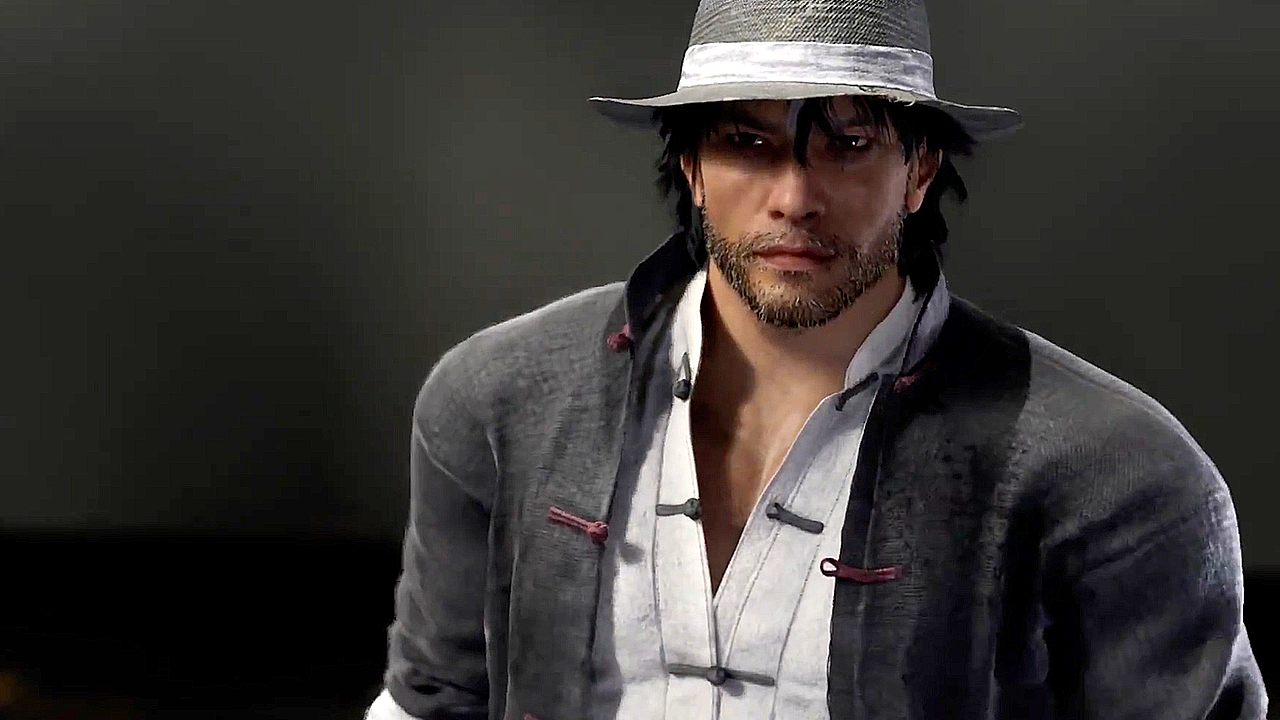
While a gameplay demo was not available at Evo 2025, the latest installment of the Virtua Fighter franchise captivated audiences with a newly unveiled trailer premium during Finals day. This offering provided an intriguing glimpse into the revival initiative by Sega and RGG, aimed at breathing new life into a beloved series that has been dormant for over two decades.
I had the opportunity to interview Riichiro Yamada, the producer spearheading the New Virtua Fighter project. We discussed his vision for modernizing the franchise to ensure its competitiveness against contemporary 3D fighters, as well as various aspects of the game’s development.
[Editor’s Note: This interview has been lightly edited for grammar and clarity]
The concept gameplay you’ve shared so far depicts fluid battle mechanics featuring guards that respond to individual attacks. How close is the final version expected to resemble this?
Riichiro Yamada, Producer on New Virtua Fighter Project: Visually and mechanically, I would estimate we are about 70% of the way there, and a significant announcement will be made at EVO. I am eager to showcase the current status. My vision for the game’s development is strong, and we are steadily moving toward achieving that.
The landscape for fighting games has shifted dramatically since the release of Virtua Fighter V. What strategies will you employ to modernize the series?
Yamada: Virtua Fighter originally featured a simplistic control scheme with just three buttons, making it accessible for all players. However, as the franchise progressed, complexity increased. While I believe Virtua Fighter 5 represents a complete version of the series, the new installment must not only advance gameplay but also enhance its functionalities. It’s imperative that we innovate in terms of playability, ensuring modern players find it appealing.
In a previous discussion, you mentioned that the concepts guiding Virtua Fighter are innovation and reality. Can you elaborate on how these terms have shaped the production of the new game?
Yamada: Initially, innovation was largely about graphical advancements, and while CGI has certainly evolved, it is challenging to enhance it further. Current graphics technology is quite advanced, hence, I believe it is crucial to introduce fresh ideas that define innovation in our context. Regarding reality, Virtua Fighter does not emulate a UFC-style encounter but rather a stylized kung-fu cinematic experience. I remember vividly the physical sensation of being struck in early iterations of the game, which I want to recreate for players in this new project, evoking a sense of tangible realism beyond just combat.
Do you see this new installment as a fresh start for not only the franchise but also its characters? The new portrayal of Akira, for instance, departs significantly from his traditional look. Are these characters intended to be the same or a complete reboot?
Yamada: I believe new character designs are essential. Akira, for example, has matured and looks different than before. While I appreciate the character designs of past games, evolution is necessary. We aim to enhance their aesthetic appeal, ensuring they resonate with modern audiences while retaining the essence of what made them iconic.
While I don’t want to undermine the previous designs’ styles, we must make them cooler and more relevant. This philosophy underlies our approach to both returning and new characters, striving for a realistic and visually engaging representation.
In a recent Virtua Fighter direct, you introduced Stella, a character resembling Sarah Bryant. Can you share any details about her? The text referred to her as “the bridge between worlds.” What does that mean?
Yamada: Regrettably, I cannot disclose specific details at this time, but I encourage everyone to stay excited and look forward to more information.
Traditionally, Virtua Fighter’s three-button configuration—punch, kick, and guard—has been foundational to the series. Do you believe this system is ingrained in the franchise, or do you see potential for its evolution through additional buttons or changes in gameplay mechanics?
Yamada: When Yu Suzuki created Virtua Fighter, extensive testing was conducted with various configurations before settling on three buttons, which was optimal for arcade play. The goal was to create an accessible game that everyone could enjoy. While I respect that foundation, we must adapt to a modern household gaming context. Maintaining simplicity is essential, but I want to evolve the experience so that it remains appealing for home players.
Though the core concept remains relevant, the player experience needs to transition alongside evolving gaming environments.
Akira has long been the face of the Virtua Fighter series. Will he continue to embody that role, or are you envisioning a new protagonist for the franchise?
Yamada: When it comes to protagonists, players are often inclined to purchase games based on character appeal. Just as Luke is associated with Street Fighter and different protagonists have emerged in the Yakuza series, maintaining player connection with iconic characters is vital. While there’s a desire to introduce new characters, Akira’s historical significance remains robust, and fans clearly continue to hold a strong affection for him. Thus, while I wish to expand the roster, I recognize that Akira will still resonate with audiences.
Based on reporting by Mitchell Saltzman. Read the full story at https://www.ign.com/articles/how-virtua-fighter-looks-to-bring-innovation-and-realism-to-the-3d-fighting-genre-evo-2025.