



Ninjas are renowned for their precision, using their skills in deadly combat with impressive finesse. This archetype is prevalent across various media, reflecting their ability to deliver thrilling and often violent spectacles reliant on agility. Shinobi: Art of Vengeance, the first new installment in the long-standing series since the relatively overlooked 2011 3DS title, is well aware of this demand for precision. At its best, Art of Vengeance is a gratifying action platformer accompanied by a breathtaking art style. However, it occasionally stumbles, resulting in moments where it feels more clunky than slick.
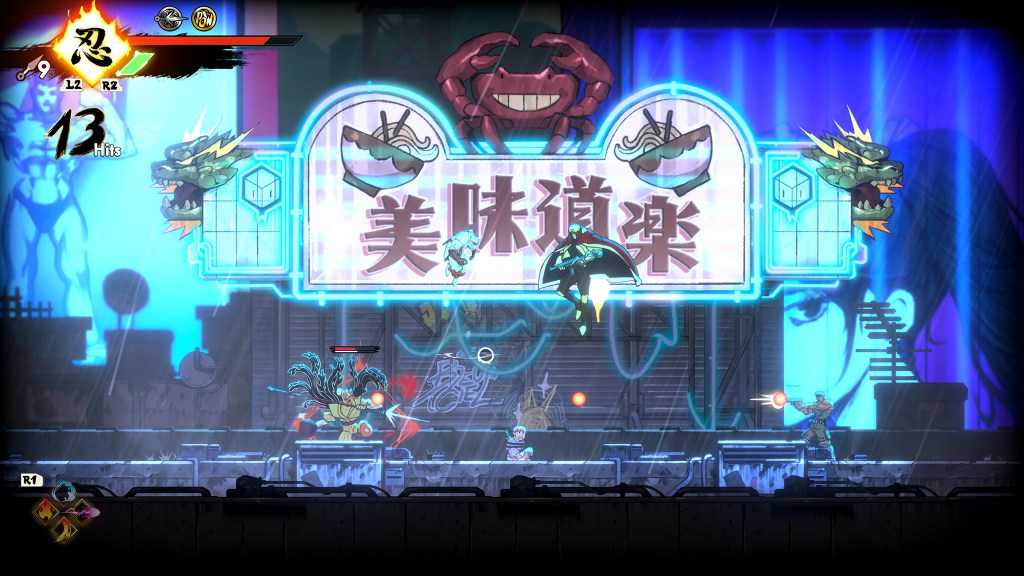
The artistry of the game is noteworthy, maintaining its brilliance from the initial splash screen to the gameplay itself. The stunning hand-drawn aesthetic immerses players in meticulously crafted environments, including vibrant backdrops such as the expansive fish market featuring various aquatic-themed restaurants and intricately layered castles. The animation is vibrant, filled with bold and eye-catching colors that amplify the visual appeal.
Putting the “Art” in “Art of Vengeance”
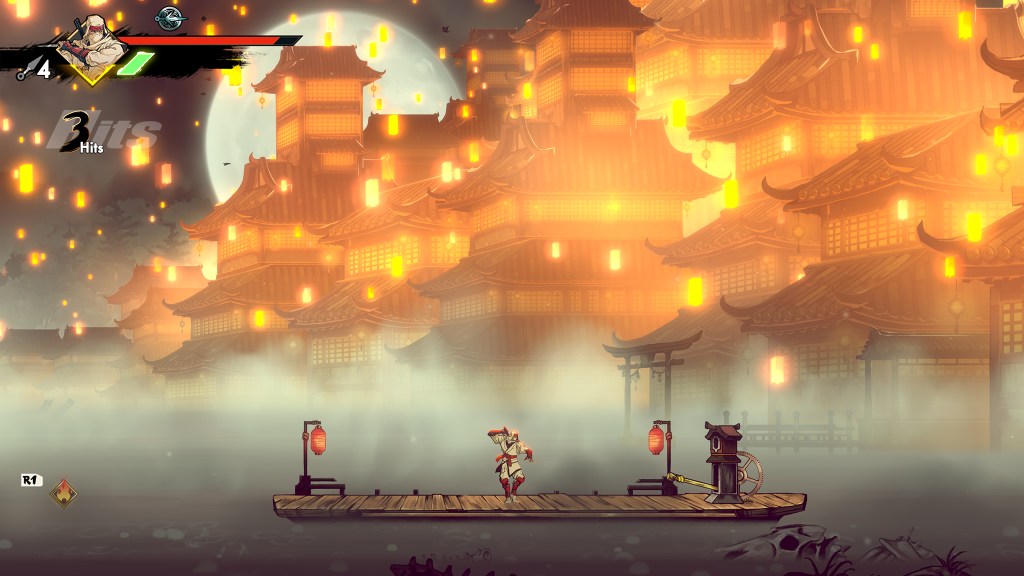
The introduction of each boss encounter is complemented by intricately designed title cards, culminating in spectacular finishing moves. Players witness the iconic protagonist, Joe Musashi, performing ultimate attacks that summon powerful spirits or unleash mythical fiery dragon apparitions across the screen, laying waste to enemies. Despite a few exceptions regarding character design, particularly with the notably slender portraits of two female heroes, Art of Vengeance consistently impresses with its visual magnificence. Developer Lizardcube, recognized for their exemplary work on Streets of Rage 4, showcases their evolution in 2D artistry and animation through this title, bringing to life the true definition of exemplary craftsmanship in visual storytelling.
The fluid animation is exceptionally apparent during platforming and combat sequences, which dominate the gameplay. While control responsiveness is predominantly smooth, it can sometimes feel unremarkable, primarily due to the lack of complexity within these platforming segments. Players encounter straightforward pathways composed of grappling hook points and floating platforms that do not challenge them significantly beyond what many other titles in the genre offer.
Ninja May Cry
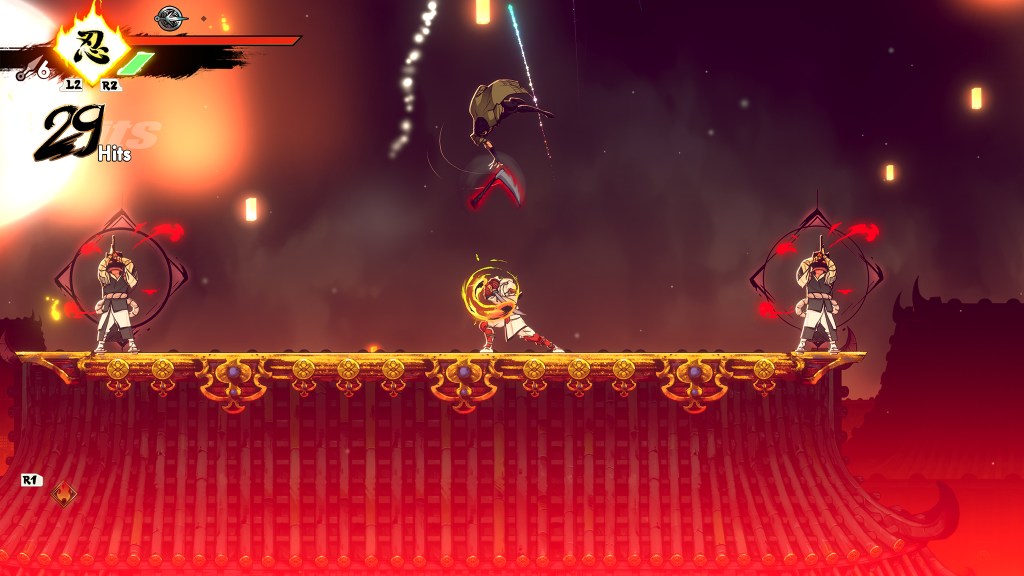
Though exhilarating chase sequences provide thrills, they often serve merely as transitions to the numerous combat arenas within Art of Vengeance. The melee combat is dynamic, emphasizing rapid engagement with a focus on juggling techniques to effectively eliminate a variety of foes, including demons, soldiers, and mechanical adversaries. Players will find a thoughtfully woven system of unlockable moves that seamlessly complement one another. For example, utilizing a heavy finisher can launch an enemy into the air, allowing for a subsequent kick attack initiated from a dash to continue the onslaught.
This open combat system rewards players who harness the full capabilities of their arsenal, resulting in fluid encounters that feel almost choreographed. A climactic round can culminate in an execution — which is made possible after filling a gauge under the opponent’s health bar — providing an exhilarating cinematic closure, particularly as the reward manifests in a cascade of orbs and coins from defeated foes. These execution mechanics extend to bosses, enabling players to exercise their dominance even during the most challenging battles.
A Slightly Dulled Blade
Nonetheless, Art of Vengeance encounters several minor issues that detract from its overall experience. The execution command requires the simultaneous pressing of two shoulder buttons, creating a convoluted interaction that can inadvertently result in missteps, particularly during high-stakes battles. Additionally, some special Ninpo and Ninjutsu abilities demand complex combinations and do not have the immediate responsiveness players might expect. Certain attacks also feature unexpectedly lengthy recovery animations, hindering players’ ability to evade effectively, which is critical in a fast-paced environment. Although these extra recovery frames may appear minor, they become pronounced in the context of this quick-paced title.
In a genre that hinges on responsiveness, even slight inconsistencies—such as the cumbersome dual-button input for executing vital moves or the delayed activation of Ninpo abilities while under duress—become pronounced and can negatively affect gameplay. Compounded by occasionally frustrating checkpoints and oversized attacks that bypass traditional dodge mechanics, along with sluggish vehicle sections that feel out of character, it becomes increasingly difficult to overlook these flaws, especially as the game’s difficulty ramps up towards its finale.

Shinobi: Art of Vengeance may lose its footing on occasion, but it retains moments of precise execution characteristic of a skilled ninja. Combos may be dropped due to challenging button configurations or lengthy recovery times; however, the satisfaction derived from performing multi-boss executions following an intricate juggle remains fulfilling, especially when complemented by the innovative 2D visuals that the game consistently provides. While the balance may tip in favor of artistry over vengeance in Art of Vengeance, it still offers a compelling experience with profound legacy.
Rating: 3.5 out of 5
A review copy for PS5 was provided by the publisher for the purpose of this review.
Based on reporting by Michael Leri. Read the full story at https://comicbook.com/gaming/news/shinobi-art-of-vengeance-review-worth-playing/.