

Last week marked a significant milestone as we celebrated 75 years since the inaugural Peanuts strip debuted on October 2, 1950. Charles Schulz’s iconic comic strip captivated audiences for nearly 50 years, remaining beloved even after the final edition was published coinciding with Schulz’s retirement shortly before his passing in 2000. Characters such as Charlie Brown, Snoopy, Linus, Peppermint Patty, Lucy, Sally, and Woodstock have not only delighted readers but have become ingrained in cultural history.
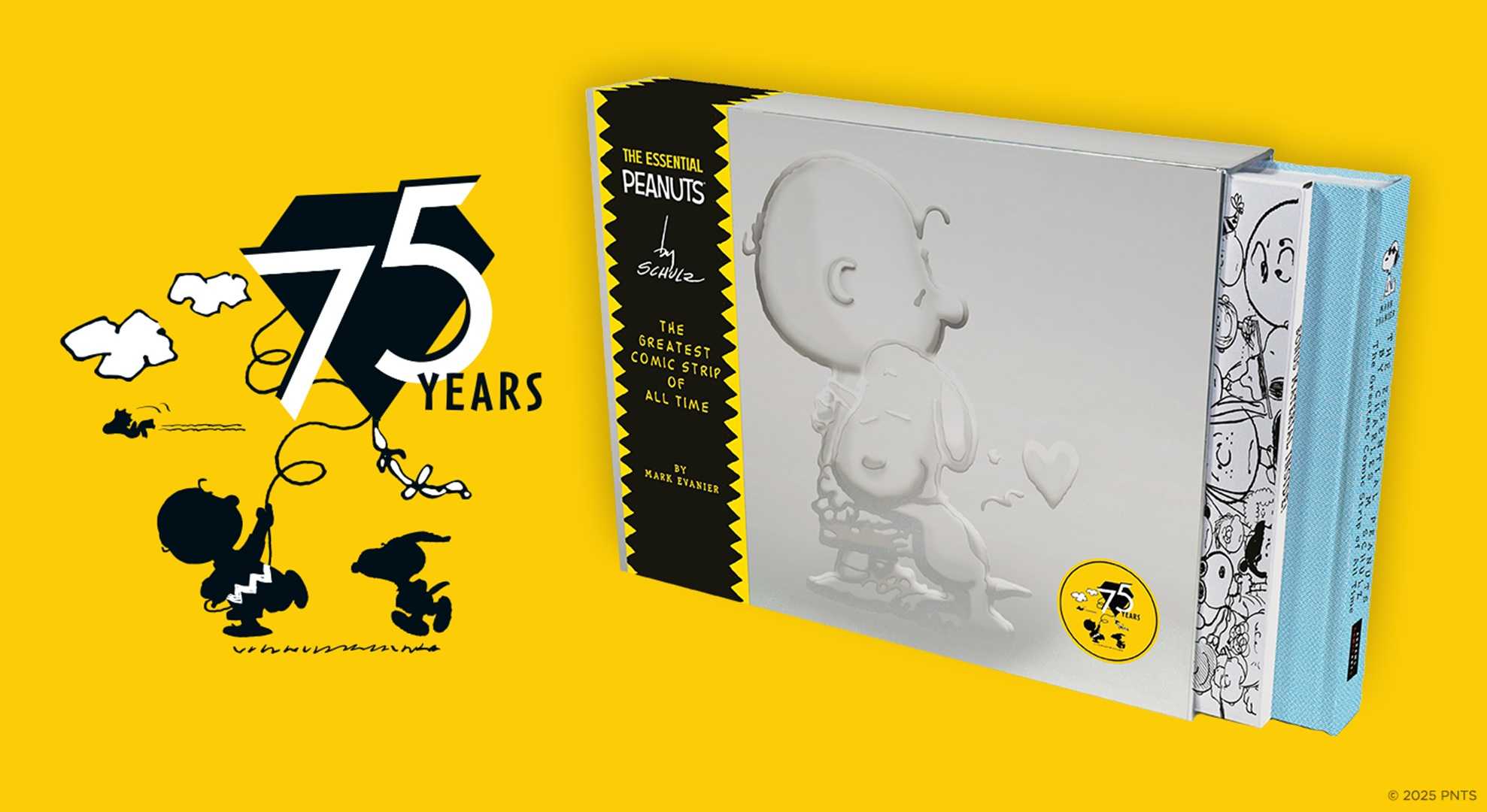
To honor this landmark anniversary, Abrams ComicArts is set to release The Essential Peanuts, a beautifully curated hardcover coffee table book showcasing a collection of strips selected by comic book historian Mark Evanier. This edition includes an introduction by Patrick McDonnell, a foreword by Jean Schulz, and contributions from a myriad of other notable figures. In an exclusive interview with CBR, Evanier discussed the enduring legacy of Peanuts and its profound impact on our cultural landscape.
The early Peanuts strips are striking in how different they are from the later version of the series. What did you find to be the oddest aspect of the early strips?
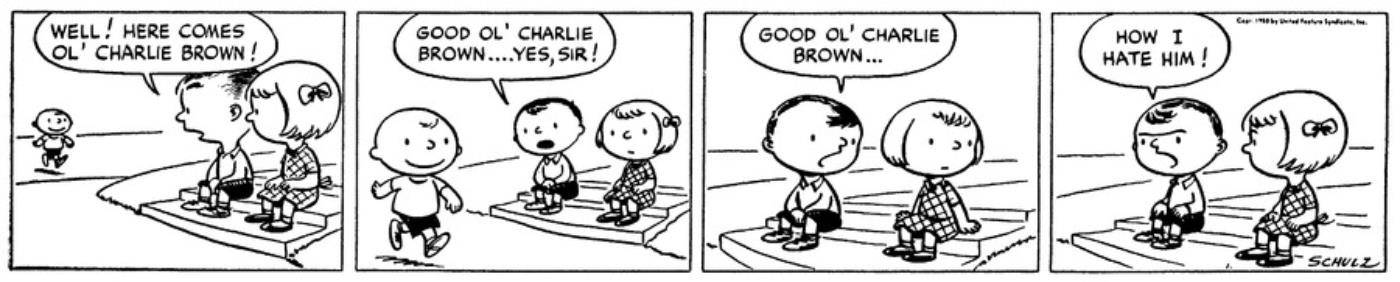
Mark Evanier: Upon reviewing the entire series before writing this new book, I was fascinated to observe its evolution, especially how Schulz transitioned from humor based on situations to jokes that deeply explore character conflict. Initially, any character could have featured in numerous gags, but over time, specific strips became intricately tied to individual characters like Charlie Brown, Lucy, or Linus, tailored uniquely to their identities.
What do you think drove Snoopy’s evolution over the first decade or so of the strip until he hit the ‘iconic’ version of the character?
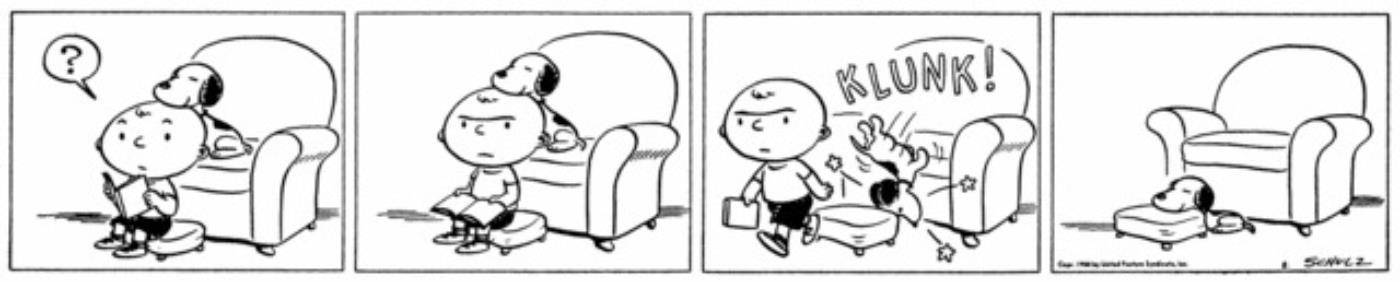
Schulz had a finite number of dog-related jokes, which he largely exhausted in the first several years. He sought new avenues to express Snoopy’s character, often depicting him in imaginative scenarios that extended beyond conventional humor.
Franklin’s addition to the strip was a historic moment for Peanuts. What was it about Schulz that made him so willing to try to make the strip more relatable to a diverse audience, even when it was risky to do so?
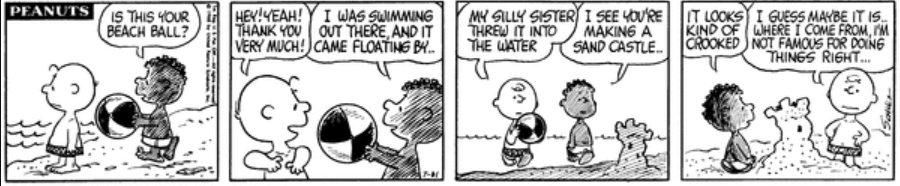
Schulz recognized the power of his platform, considering he was featured in numerous newspapers. His integration of diverse characters stemmed from fan feedback and a desire for representation. He did not approach this change as a groundbreaking shift, but rather as a natural progression of the strip.