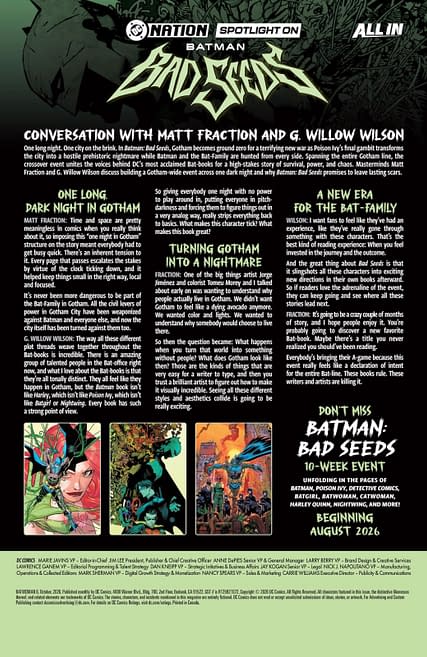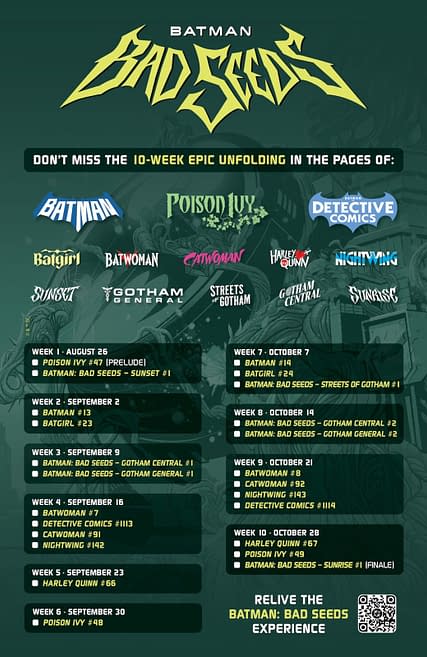

As the landscape of comic book events continues to evolve, collectors and industry watchers should note how Batman: Bad Seeds encapsulates a major turning point in the Gotham narrative. This new crossover not only introduces fresh threats but also redefines existing character dynamics for collectors and fans alike.
One of the reasons I stepped away from comic book reviewing for a while was the fatigue stemming from the incessant cycle of crossover events pushing the Big Two publishers. The Batman franchise, in particular, has been no stranger to these sprawling narratives in recent years, with events like Joker War and Gotham War making significant noise—but often to disappointing effect. As we venture into this latest chapter, Bad Seeds presents itself with renewed vigor in its opening chapter.
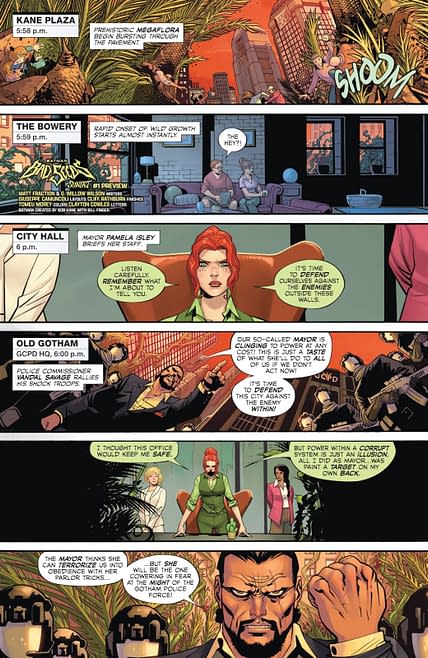
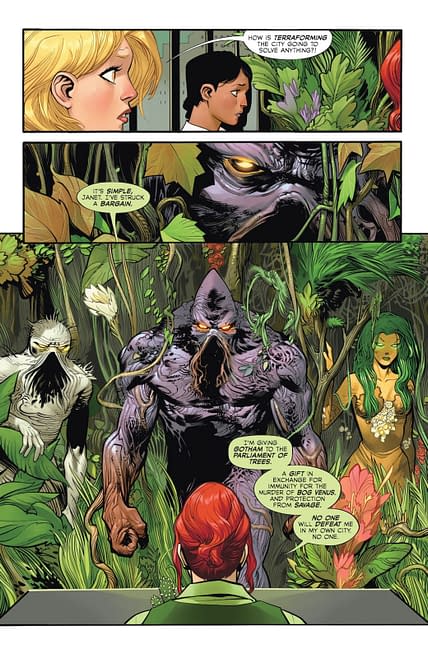
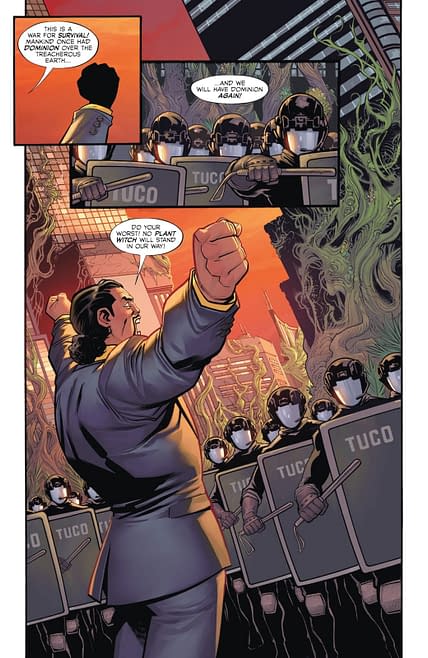
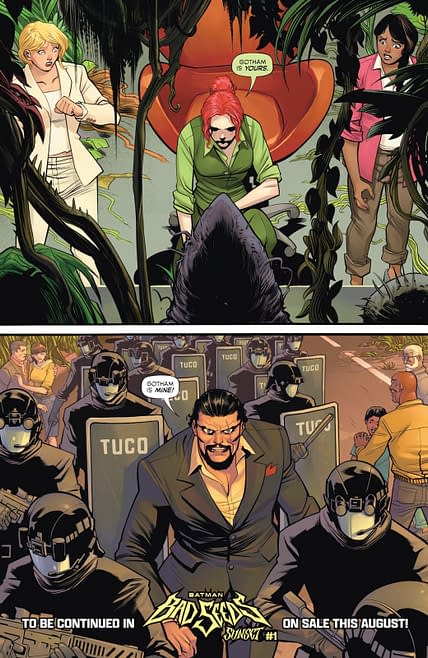
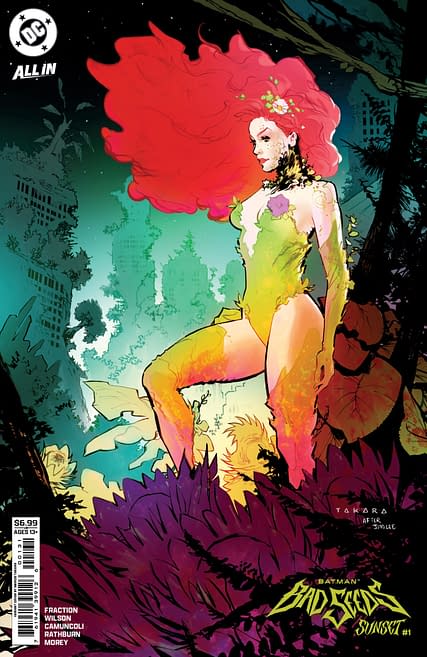
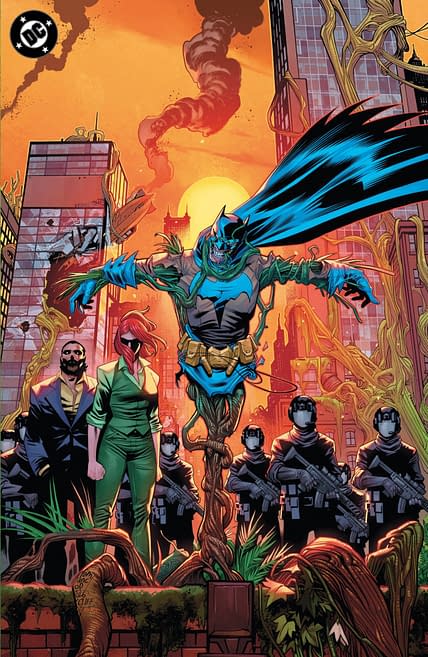
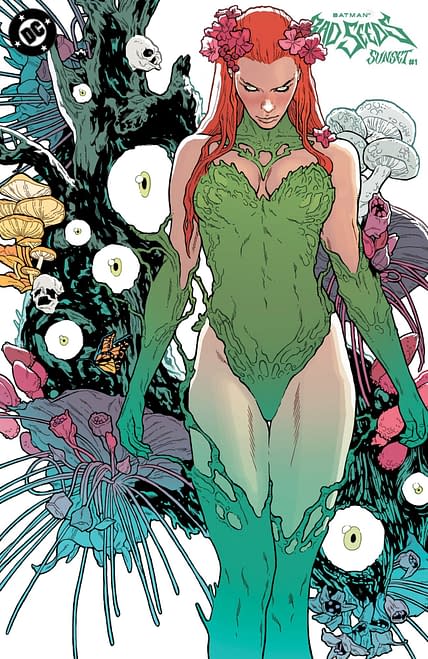
In this iteration, DC seems to leverage its strengths effectively. Bad Seeds centers on Matt Fraction’s captivating Batman and G. Willow Wilson’s compelling Poison Ivy. Both titles have garnered critical acclaim and a strong readership, positioning this crossover as an organic extension of Wilson’s narrative arcs. The plot focuses on Pamela Isley’s tumultuous tenure as Gotham’s mayor, climaxing with an armed insurrection led by Commissioner Vandal Savage. Here, Ivy’s radical contingency plan threatens to revert the city into a lawless, primal jungle—an idea that will undoubtedly resonate with collectors intrigued by the characterization of these iconic figures.
Bad Seeds is intentionally crafted for fans of Fraction’s and Wilson’s respective works, making it fitting that they collaborate on this initial chapter. The narrative execution is impressive, achieving a cohesive and stylized script that clearly outlines the stakes involved in this expansive crossover. The characters are multifaceted, and while the story encompasses numerous elements, it maintains a brisk pace without feeling overloaded.

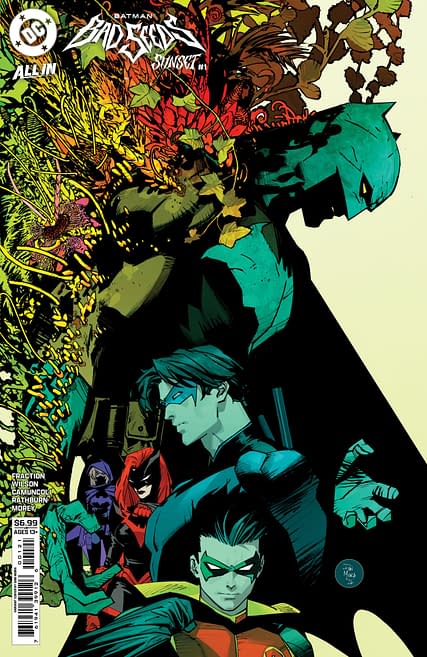
However, while Sunset #1 efficiently presents a large ensemble cast, the question remains: Why should collectors invest in the many tie-in titles associated with this event? At first glance, the supporting characters seem to reprise their roles in typical Bat-crossover fashion, merely reacting to the chaos while Batman trudges toward the tale’s heart.
The dynamics within Batman’s circle of friends and sidekicks serve their purpose, but it’s the interactions between Ivy and Batman that provide the narrative’s core tension. Ivy’s sequences reveal her as a character trapped by circumstance and her own moral dilemmas as she strategizes her next moves. Batman’s arc taps into the appreciation for humanizing conflict; Fraction illuminates Bruce’s deep-seated compassion towards both adversaries and the citizens he pledges to protect, echoing the sentiments of revered adaptations like Batman: The Animated Series.
To further intertwine the voices of Wilson and Fraction, the visual storytelling is entrusted to Giuseppe Camuncoli and Cliff Rathburn—Camuncoli handles layouts while Rathburn finalizes the artwork. The art maintains a consistent quality, albeit with a different texture due to Rathburn’s finishes smoothing Camuncoli’s more sinister angularity, but it remains clean and energetically draws readers into Bad Seeds: Sunset. For collectibles enthusiasts, the dynamic visuals complement the evolving narrative, making this installment an appealing entry point into a larger storyline.