
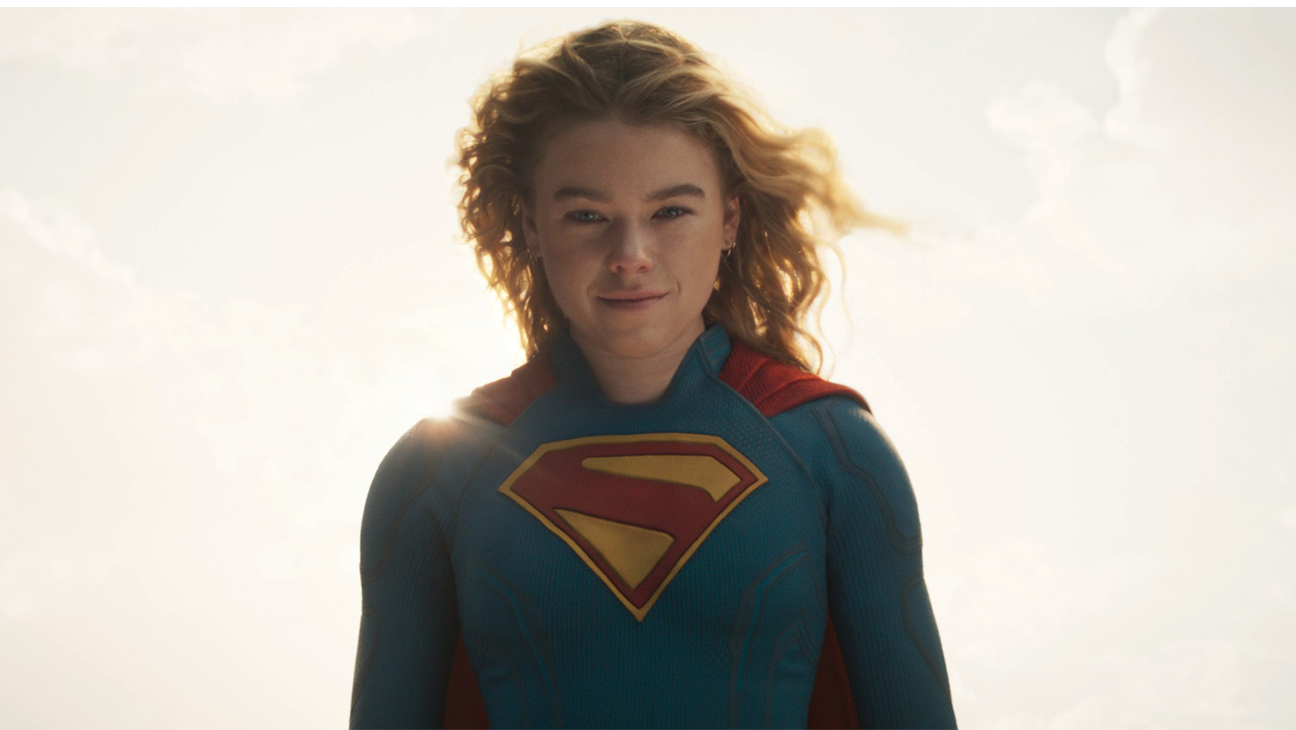
The discourse surrounding Milly Alcock, star of the upcoming DC Studios release ‘Supergirl’, illuminates significant challenges faced by women in the entertainment industry, particularly when positioned within fan-fueled franchise culture. In a recent interview with Vanity Fair, Alcock’s reflections on her role have inadvertently sparked a conversation about the expectations and treatment of female leads in blockbuster films.
Addressing her character, Alcock stated, “She’s not trying to save the world—she’s just trying to save her own. This film is an excellent reminder that the world can be crumbling around you, but you can be the hero of your own story.” This perspective, while insightful, may come across as a rehearsed studio line rather than a personal reflection, a sentiment echoed in fan communities. Her comments regarding previous Supergirl actresses, Melissa Benoist and Sasha Calle – indicating that they are “just people living their lives” – further illustrate her reluctance to engage deeply with franchise history.
Upon being questioned about the potential backlash she might encounter from the fandom, Alcock candidly remarked, “It definitely made me aware that simply existing as a woman in that space is something that people comment on. We have become very comfortable having this weird ownership of women’s bodies. I can’t really stop them. I can only be myself.” This assertion has sparked polarized reactions from audiences, particularly in online arenas.
Some fans have responded to her comments with harsh critiques, making allegations about her signaling a poor reception for ‘Supergirl’ before its release. Others claim that her expectations of personal objection and online trolling set a negative tone for the film. Yet, Alcock’s remarks underline a crucial point: the scrutiny women face in similar roles tends to escalate quickly, often leading to personal attacks rather than constructive criticism of their performances.
The tendency to associate the success or failure of a film with the identities of its leads, especially when they are women or from diverse backgrounds, raises important questions. Alcock’s experience seems to reflect a broader trend where female leads in franchises attract unwarranted vitriol, a pattern seen with other actresses like Rachel Zegler and Melissa Barrera. Such cases highlight that existing within these roles comes not only with the pressure of performance but also an expectation to navigate public perception meticulously.
The irony is palpable; while Alcock speaks to the discomfort of facing negative commentaries centered on appearances and characterizations, the backlash serves as a testament to her points. As fans express their disappointment or dissatisfaction, they inadvertently reinforce the narrative Alcock seeks to address: the oversimplification and ownership some fans feel over women’s portrayals in popular media.
Moving forward, the market implications of these discussions are considerable. As collectors and retailers navigate the launch of ‘Supergirl’, awareness of such sentiments can guide marketing strategies and product placements. Understanding the complexities behind female representation in collectibles and toys tied to prominent franchises is essential, as it reflects not only on consumer sentiment but also on potential sales outcomes. Ultimately, Alcock’s revelations challenge us to reconsider our expectations of celebrity and narrative ownership in franchise culture.
In a landscape where stars navigate social media pressures alongside filming schedules, it raises the question of how one balances relatability with authenticity. Alcock’s remarks remind us that any misstep inevitably invites substantial scrutiny—especially for women in action and fantasy genres. As the release date approaches, the ongoing dialogue around ‘Supergirl’ and its lead serves as a critical touchpoint for collectors and industry stakeholders alike.
Supergirl is released in theaters June 26.
Based on reporting by Hollywood Reporter. Read the full story at https://www.hollywoodreporter.com/movies/movie-features/supergirl-milly-alcock-backlash-women-franchise-1236553579/.