

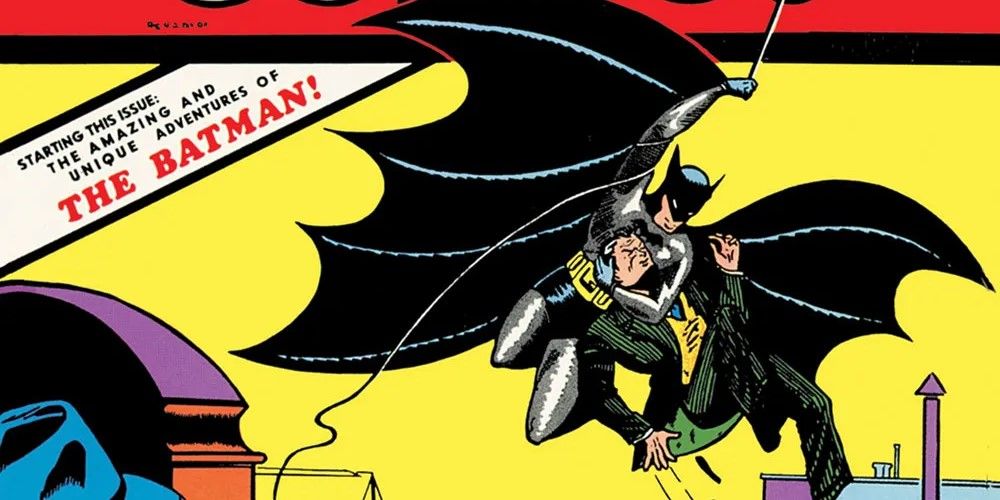
Batman first debuted in Detective Comics #27 in 1939, providing DC’s finest artists a canvas for over six decades to design some of the most memorable Batsuits in comic history. As Batman has evolved since his inception, so too has his arsenal of costumes.
Comic enthusiasts fondly recall the whimsical and often amusing costumes of the 1950s and ’60s, perfectly capturing the eccentricity of the Silver Age of comics. Many of the most significant Batsuits from the 20th century emerged from Elseworlds narratives, where alternate universe interpretations of Batman donned costumes tailored to their unique settings. The Batsuits featured in titles such as Gotham by Gaslight and The Dark Knight Returns are celebrated among the elite in the lexicon of Batman suits.
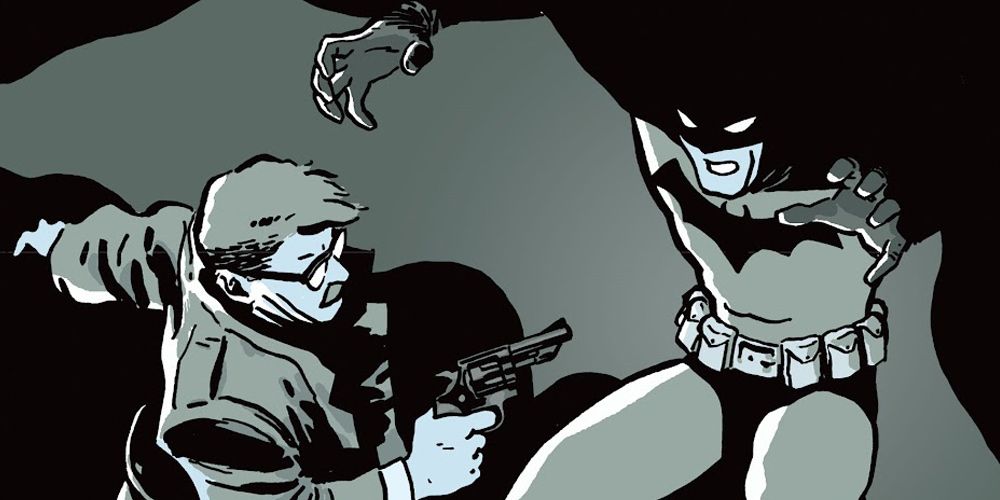
One of the most iconic Batsuits originated from Frank Miller’s groundbreaking work during the mid-1980s, which redefined Batman’s narrative in the post-Crisis on Infinite Earths era. The Year One costume reintroduced elements such as the black cape and shorter ears, alongside a more pragmatic aesthetic that harmonized design with function—a trend that influenced artists for generations.
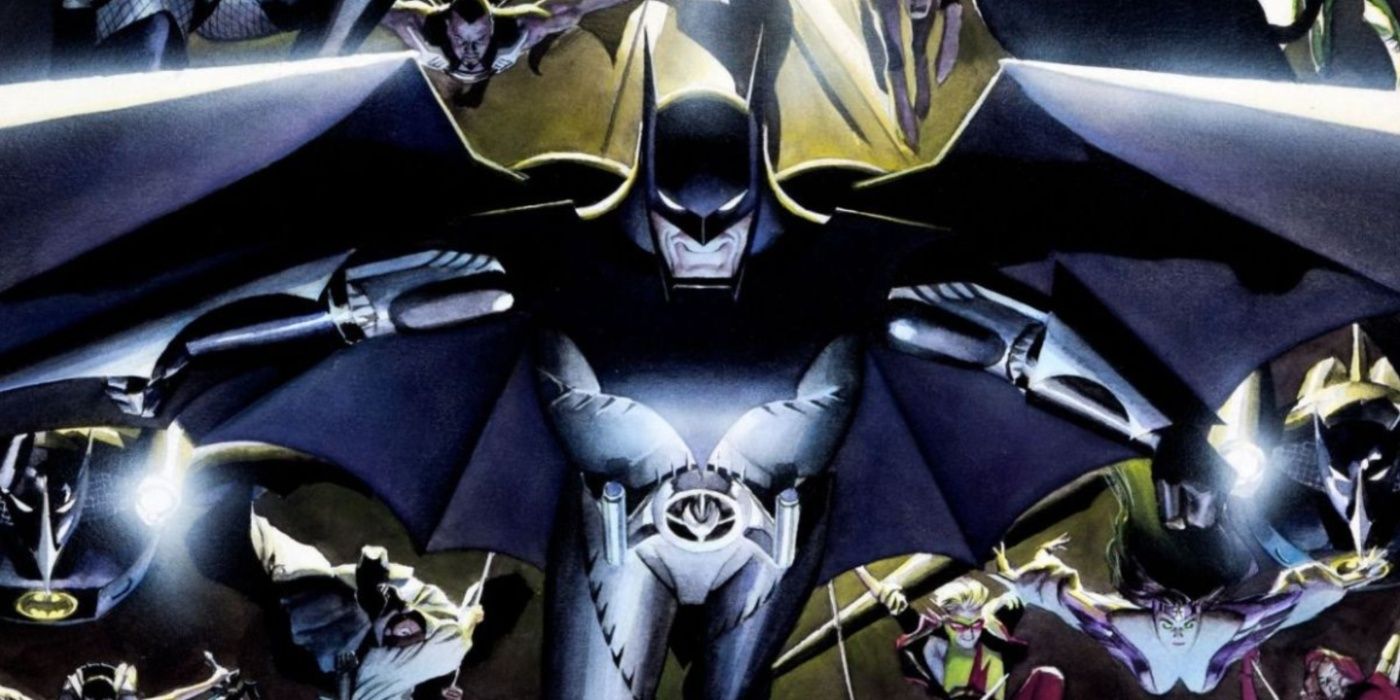
Set in an alternate future, the Kingdom Come universe reimagined Bruce Wayne as an elderly hero, clad in advanced armor designed to confront increasingly powerful foes. This bulky and resilient suit symbolizes Batman’s adaptability in a world inhabited by a new generation of heroes. Its imposing design drew parallels to cinematic interpretations, notably mirroring Michael Keaton’s iconic Batsuit from Tim Burton’s films.
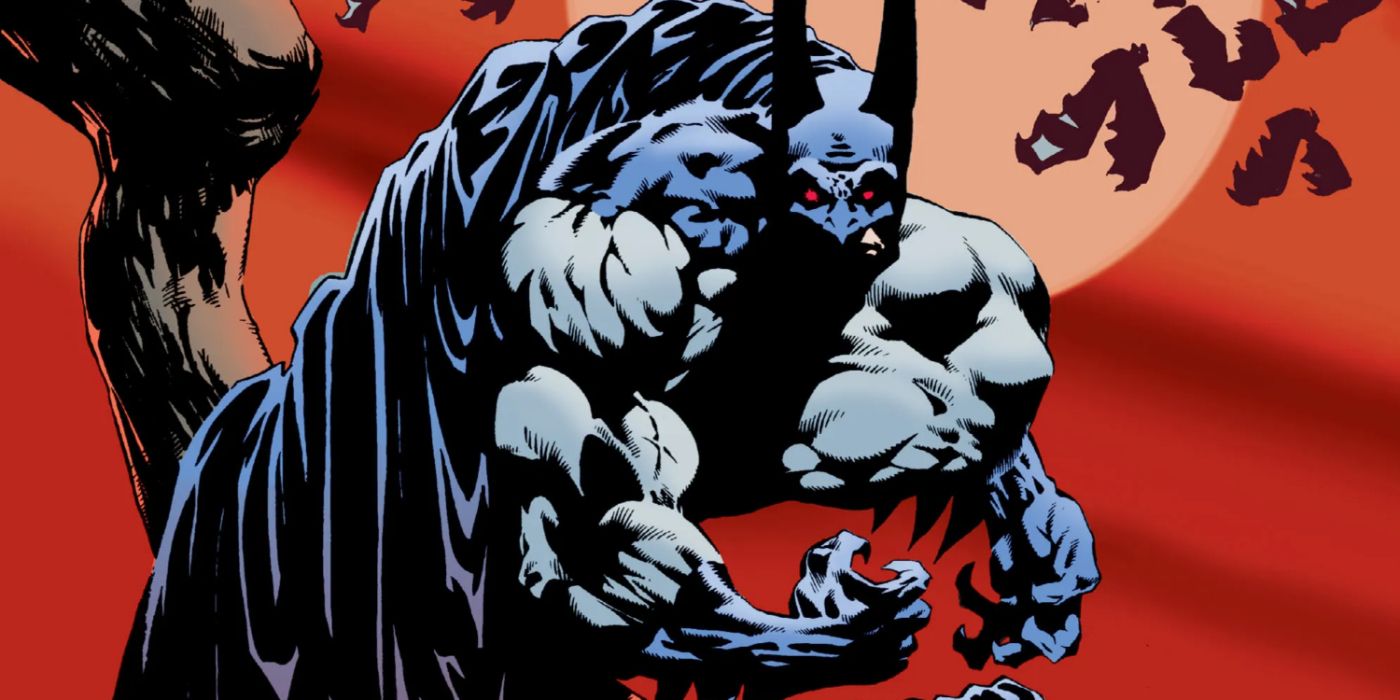
During the Bronze Age of comics, Batman donned a distinguished blue cape and cowl, a visual hallmark that gained traction thanks to the creative prowess of Dennis O’Neil and Neal Adams. This particular look resonated through works such as Batman & Dracula: Red Rain, where the character embraced vampiric traits, creating a distinctly striking design.
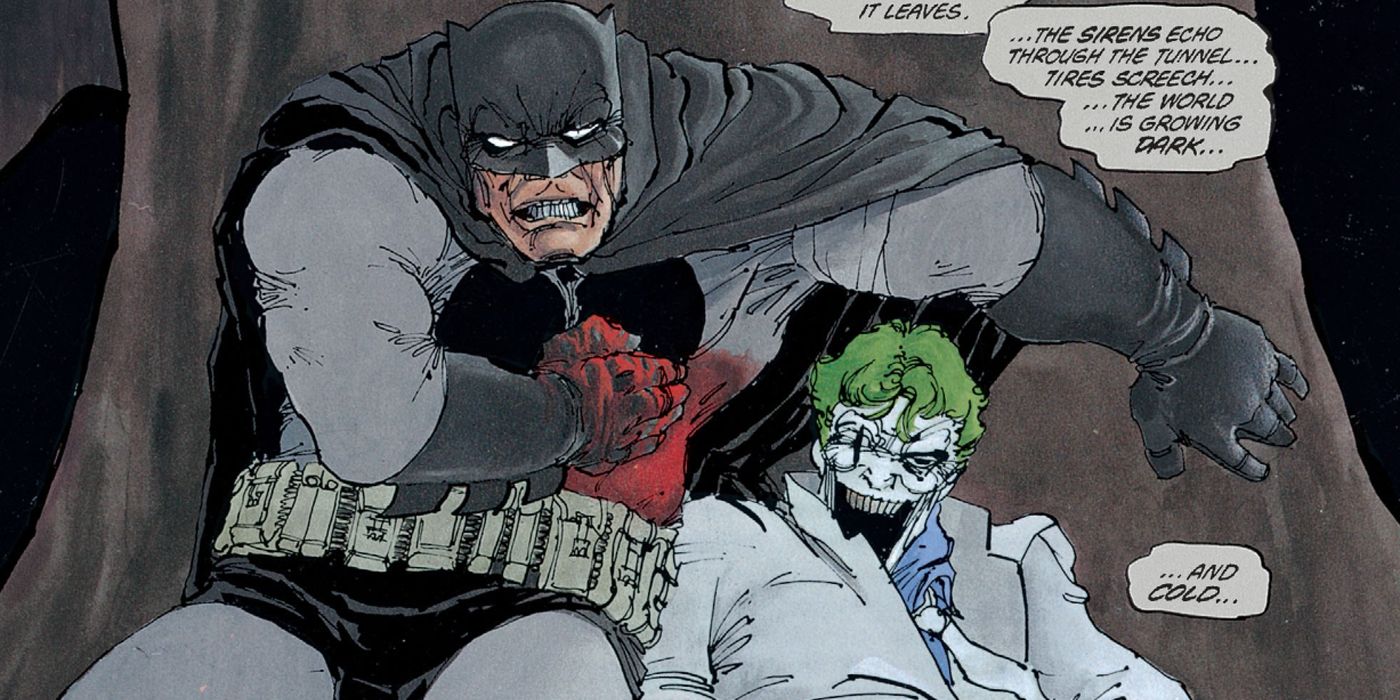
In The Dark Knight Returns, Miller presents an aged Batman, embodying the theme of a legacy hero with profound weariness. This narrative evolution was reflected in the rugged design of the suit, marked by a gray cape, shorter ears, and a bold bat symbol that matched the character’s formidable presence as a veteran crimefighter.
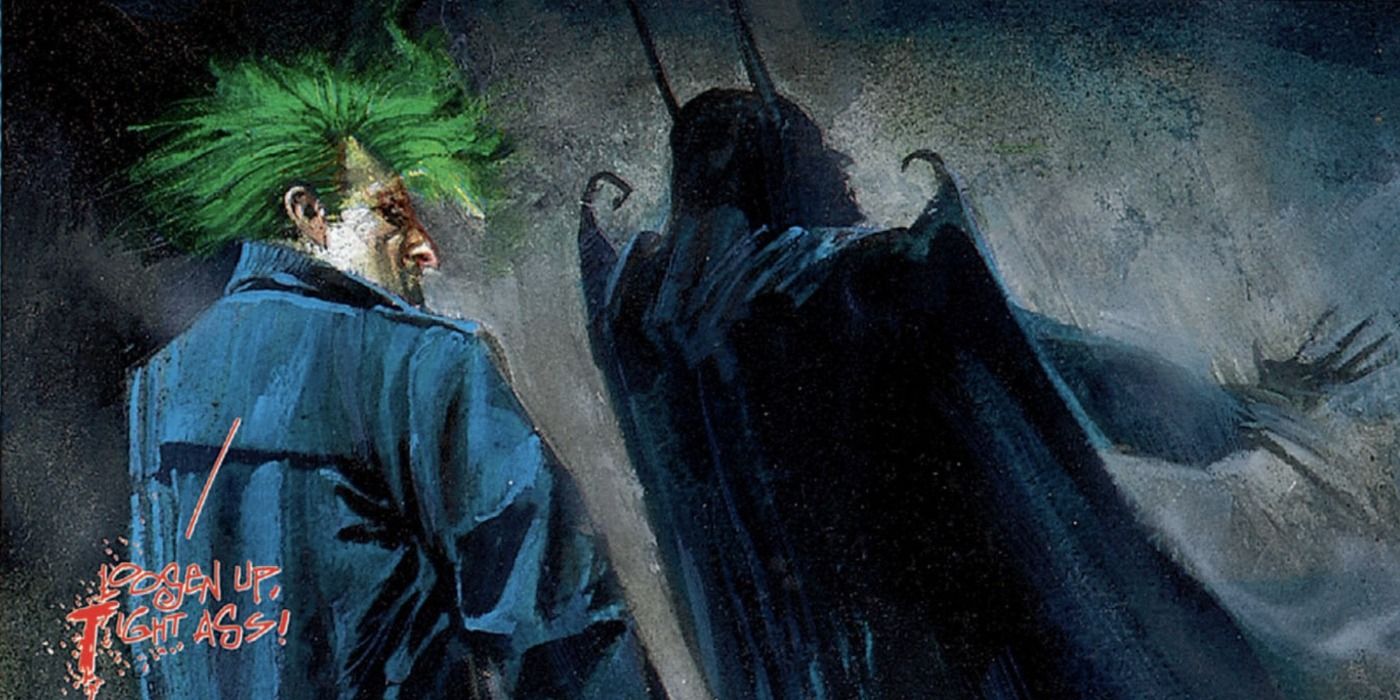
The late 1980s and early ’90s yielded some of the best Batman comics, prominently featuring Elseworlds stories like Arkham Asylum: A Serious House on Serious Earth. This particular tale saw Batman navigating the twisted corridors of Arkham Asylum, where McKean’s haunting visuals represented a different facet of Batman, characterized by ghostly designs symbolizing his struggle against psychological adversaries.
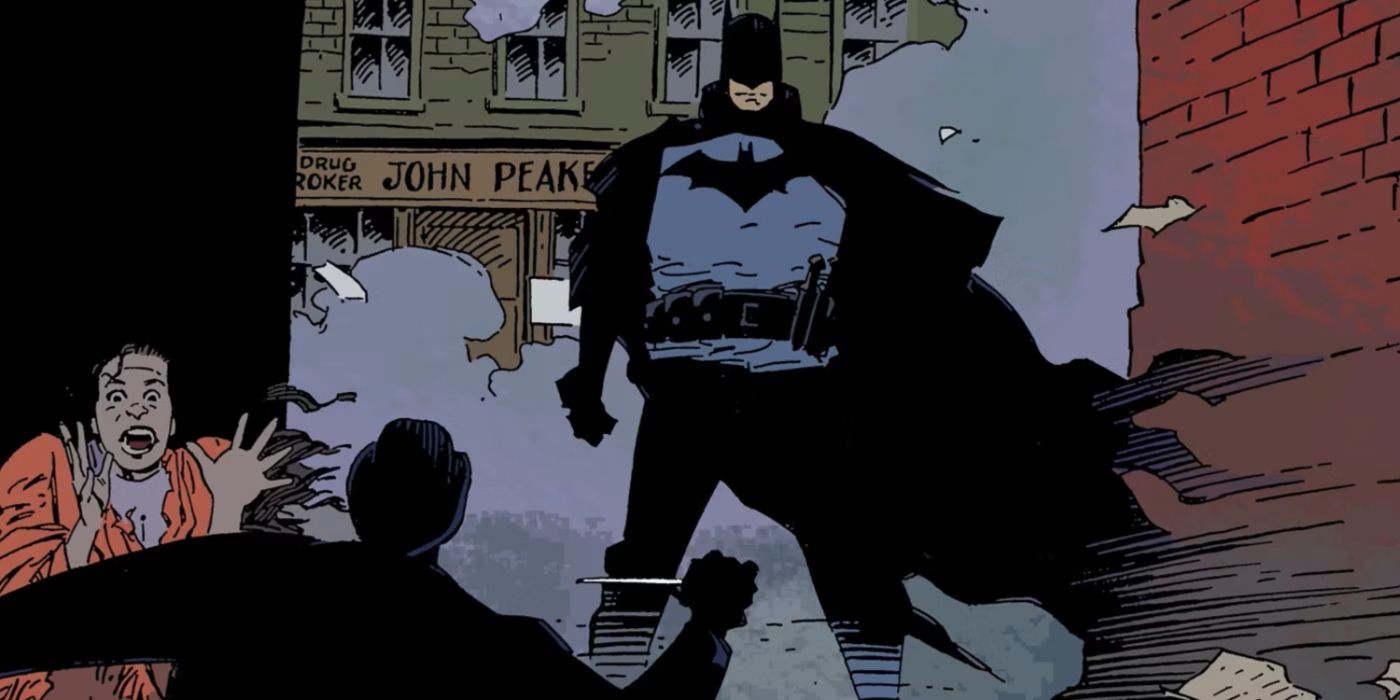
Gotham by Gaslight, the first Elseworlds narrative, offers an innovative portrayal of Batman pitted against Jack the Ripper in a gothic reimagining of Victorian Gotham. This captivating design, complete with a trench coat and high collar, embodies the era’s fashion while constructing a new silhouette for the iconic character.
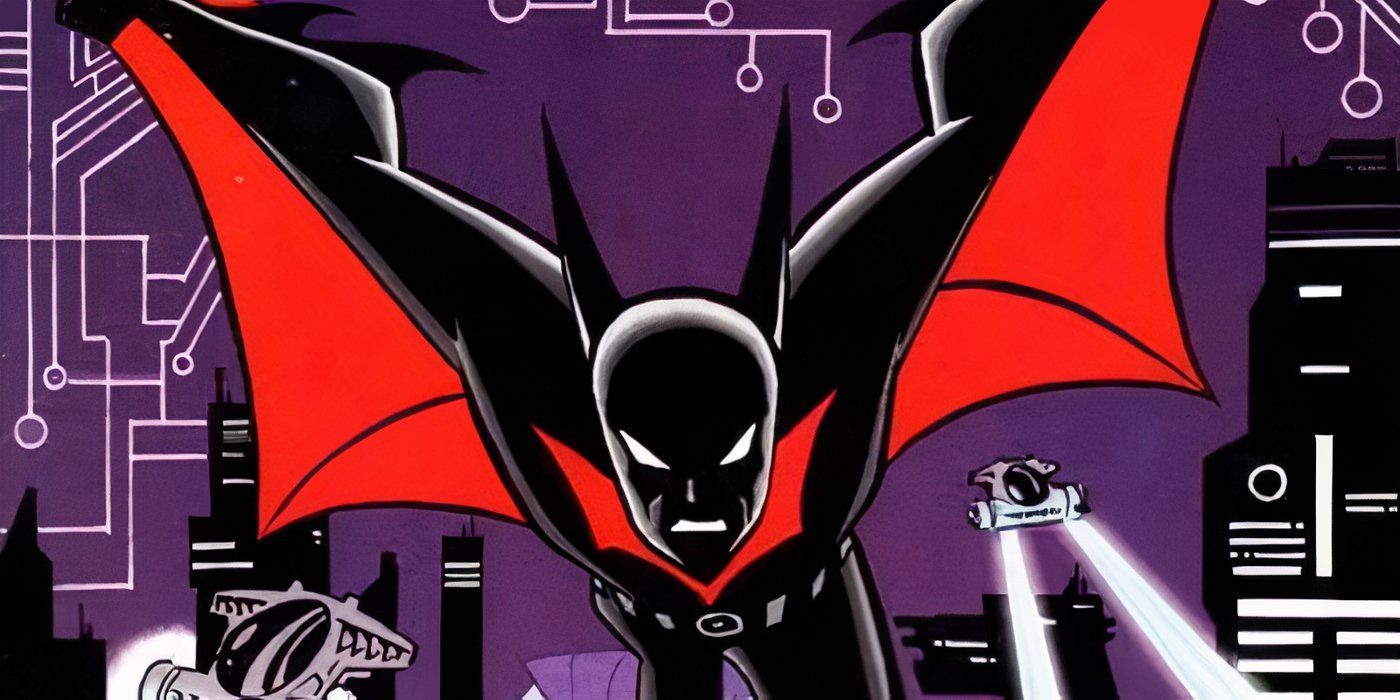
Introduced in 1999, the Batman Beyond series showcased a futuristic Batsuit worn by Terry McGinnis, featuring a sleek, all-black design with striking red accents. This innovative costume remains a fan favorite and is often considered one of the most noteworthy iterations of the Dark Knight, surpassing many of Bruce Wayne’s ensembles.
In conclusion, the evolution of Batman’s Batsuits reflects not only the character’s resilience and adaptability but also the creativity of the artists who have brought him to life over the years. Each suit tells a story of the era it represents, enriching the legacy of one of comics’ most enduring heroes.
Based on reporting by CBR. Read the full story at CBR.com.