
While Batman, the iconic figure of DC Comics, is often recognized for navigating the depths of psychological thrillers and neo-noir narratives, it is his villains that provide a necessary complement to his stories. Credited with hosting the finest rogues’ gallery in the superhero genre, this reputation is expertly captured in the acclaimed Batman: The Animated Series. Visionaries Bruce Timm, Paul Dini, and Eric Radomski profoundly translated the Caped Crusader’s comic book origins into compelling narratives that are celebrated to this day.
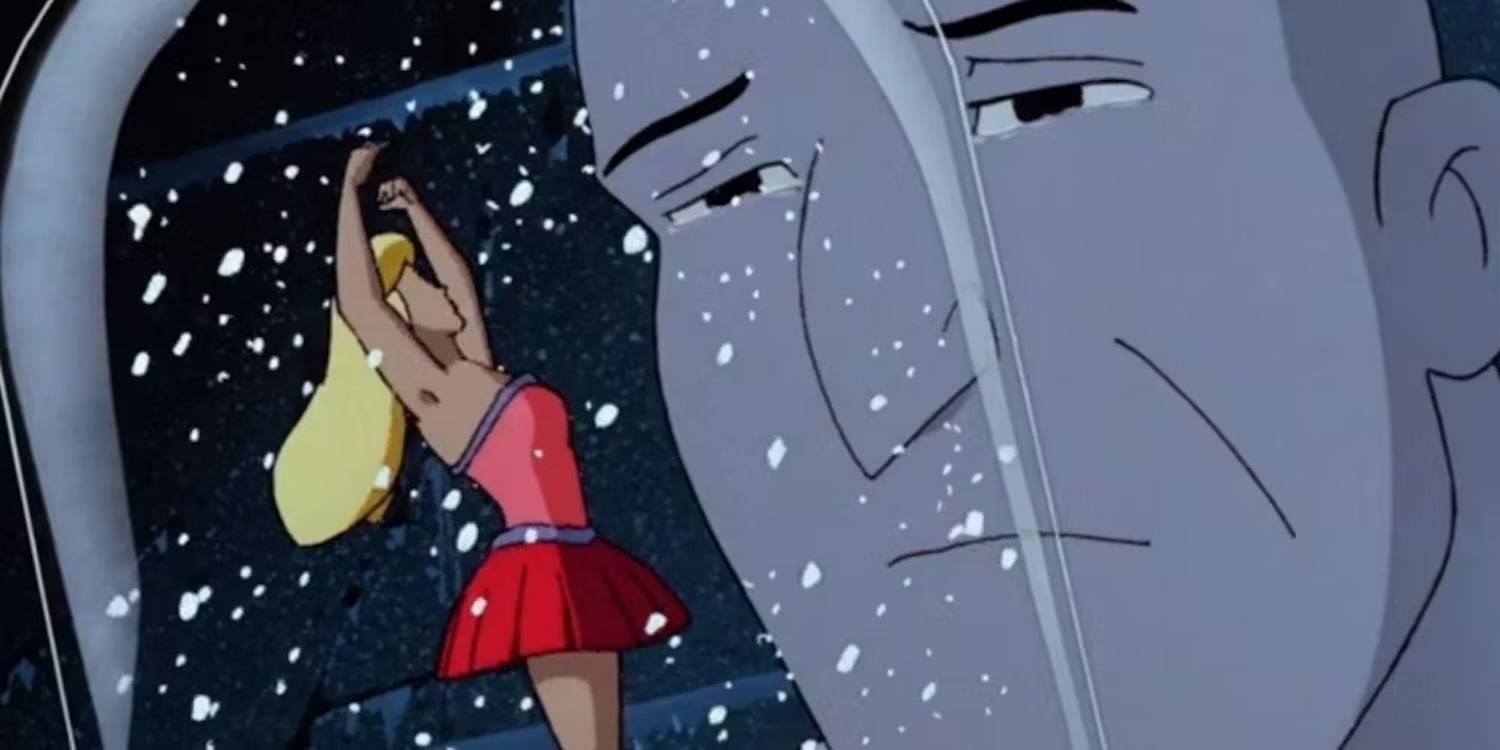
This groundbreaking series remains beloved for its portrayal of the titular hero. Likewise, it effectively showcases notable villains such as Two-Face, Mr. Freeze, Harley Quinn, Clayface, and even the often-overlooked Baby-Doll, demonstrating that Batman always faces intriguing adversaries.
One standout episode, “Heart of Ice,” has become synonymous with crafting a sympathetic supervillain origin. It ranks as one of the best episodes of Batman: The Animated Series and stands as a high point in the Dark Knight’s mythos. This episode chronicles the tragic downfall of Dr. Victor Fries, whose quest to save his cryogenically frozen wife intersects tragically with corporate greed—a prevalent theme in Gotham’s underbelly.
Michael Ansara’s performance as Mr. Freeze is a pivotal factor in the episode’s success, as he channels the character’s profound sorrow and anger. This groundbreaking reinterpretation of Freeze has influenced his portrayal in comics and adaptations, including the Cold, Cold Heart DLC for Batman: Arkham Origins.
For further exploration of the tragic aspects of Batman’s foes, the “Two-Face” two-parter offers a poignant look at Harvey Dent’s descent into villainy. His transformation into Two-Face is a deep loss for Batman and an echo of their previous camaraderie. The episodes capture how external pressures, such as blackmail by Rupert Thorne, push Dent to his breaking point, eventually forcing Batman to confront a former ally turned enemy.
“Almost Got ‘Im” serves as a unique narrative that allows Batman’s villains to share the limelight as they recount tales of their near captures of the Dark Knight. This ensemble piece provides a delightful glimpse into their character dynamics and motivations within a non-linear storytelling framework, ultimately leading to a clever plot twist when Batman reveals himself as the intruder among their meetings.
Furthermore, the “Feat of Clay” arcs deserve recognition, particularly with recent developments surrounding the character of Clayface set for cinematic exploration in an upcoming DCU horror film. The story follows Matt Hagen, a desperate actor ensnared in a web of corporate malfeasance, utilizing a transformational formula to navigate his painful reality. This narrative effectively critiques the entertainment industry’s superficiality while shedding light on themes of addiction and victimization.
The Joker, undeniably Batman’s most iconic adversary across various media, finds a brilliant showcase in the episode “The Laughing Fish.” This tale features the Clown Prince of Crime concocting a scheme that involves chemically altering fish for a morbid comic effect, all while demonstrating his unpredictable nature through humor and violence. The episode balances the comically absurd and the grotesque, revealing the true depth of his character as realized by Mark Hamill’s unforgettable performance.
The episode “Second Chance” delves into the psyche of Harvey Dent as Two-Face, exploring his internal conflict through a vivid narrative. As Dent prepares for a potential redemption through surgery, an unexpected twist reveals the sinister motivations of his past, highlighting the tragic cycle of his dual nature.
Additionally, the sequel series The New Batman Adventures also features the Joker in notable entries like “Joker’s Millions.” This episode showcases the villain’s financial misadventures following a deceptive inheritance, creating a humorous scheme where Batman and his allies unveil the truth behind Joker’s newfound wealth.
Harley Quinn, a character whose presence has expanded within the DC Comics universe, particularly shines in the episode “Mad Love”. Here, her backstory as the Joker’s therapist turned devoted accomplice is elaborated, offering insights into a relationship fraught with manipulation and abuse—a narrative layer that deepens her character beyond mere association with the Joker.
The nuanced villain Baby-Doll also emerges from this series with surprising depth in her self-titled episode. As a former child star grappling with her arrested development and subsequent resentment, Baby-Doll proves to be more than just a villain; her tragic backstory resonates powerfully with audiences, forcing Batman to navigate the complexities of compassion in the face of danger.
Lastly, Harley and Ivy’s dynamic debuts with the Batman: The Animated Series episode “Harley and Ivy,” presenting a captivating partnership that flips the narrative on the traditional comic foil of Batman and the Joker. This episode brilliantly portrays their alliance, setting a precedent for future storytelling adventures involving both characters.
With its rich character development and engaging plots, Batman: The Animated Series remains a timeless classic, demonstrating the artistry of animated storytelling in the superhero genre.
Based on reporting by CBR.com. Read the full story at CBR’s full analysis of essential episodes featuring Batman’s adversaries.