




The release of Giant-Size X-Men #1, fifty-one years ago, marked an important turning point in the Marvel Comics landscape, reshaping the aura surrounding the X-Men and their role in the collectibles market.
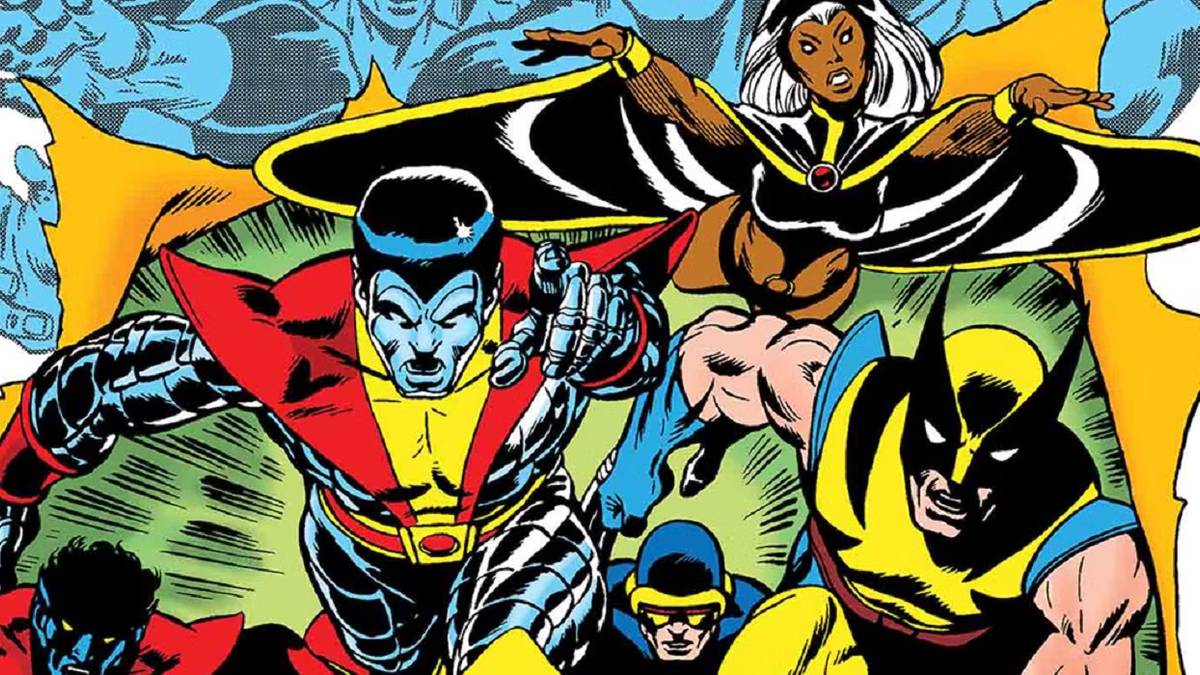
The X-Men have evolved into one of Marvel Comics’ most iconic and cherished superhero teams. However, prior to their resurgence in popularity, this once-derided group was far from being the marquee attraction it is today. Originally featuring heroes like Cyclops and Iceman, the X-Men struggled for recognition amidst other popular teams such as The Fantastic Four and The Avengers.
The pivotal shift occurred with the release of Giant-Size X-Men #1 in 1975. This standalone issue introduced a new roster of mutant heroes, including notable characters like Storm, Nightcrawler, and Colossus. It fundamentally altered the trajectory of the X-Men, setting the stage for their eventual prominence within Marvel Comics.
Before the creative resurgence led by writers Chris Claremont and Len Wein, the X-Men were considered one of Marvel’s less compelling teams. By contrast, established teams had far outshone them, and the youthful lineup felt outdated to many collectors and readers. The impact of Giant-Size X-Men #1, however, cannot be overstated; it revolutionized the comic book world and redefined the superhero narrative.
Among the key introductions in this issue was Wolverine, whose entrance into the X-Men mythos would later solidify him as a linchpin of the team’s identity. It’s remarkable that the iconic character—now a household name—was not included until a dozen years after the X-Men’s inaugural issue.
Created by Stan Lee and Jack Kirby, the early Uncanny X-Men comics were engaging but lacked the depth and influence of contemporaneous titles like The Fantastic Four and The Amazing Spider-Man. The X-Men’s evolution into the multifaceted team we recognize today is largely attributed to Claremont’s innovative narrative techniques, which opened up new pathways for storytelling and character development in superhero comics.
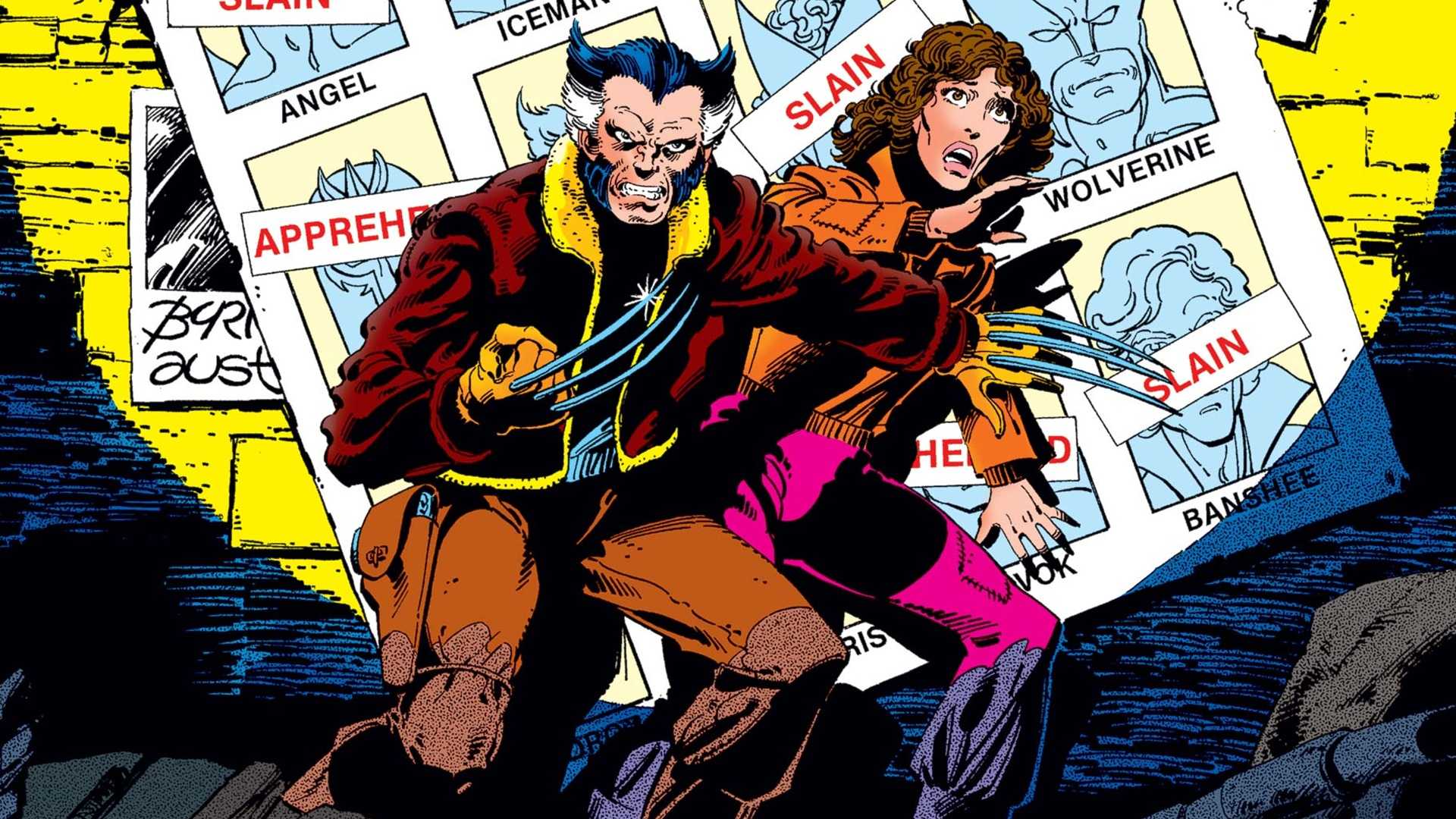
Following the success of Giant-Size X-Men #1, Chris Claremont took the reins of the primary Uncanny X-Men series, further elevating the group to iconic status. With each issue, Claremont pushed creative boundaries and made household names of characters such as Wolverine and Storm while expanding the lore surrounding mutantkind. This transformation resulted in some of the most celebrated narratives in comic book history, including The Dark Phoenix Saga and Days of Future Past.

As a result, Uncanny X-Men became a must-read for Marvel enthusiasts, a shift not seen prior to 1975. It was a significant turning point not only for the series but for superhero comics overall, illustrating the potential for rich character-driven storytelling.
The legacy of the X-Men continued to flourish in the ’90s, culminating in 1991’s X-Men #1, which remains the highest-selling comic book issue of all time. Animations and films have also played a significant role in popularizing these beloved characters, extending their reach beyond comic shops and into mainstream culture. The profound influence of Giant-Size X-Men #1 echoes through the industry, proving that Stan Lee and Jack Kirby’s original concepts had untold potential, ushering in an exceptional era for superhero storytelling.
Based on reporting by Maxwell Pishny. Read the full story at https://www.cbr.com/giant-size-x-men-1-change-the-x-men-forever/.