
The Thunderbolts film produced by Marvel Studios presents a notable reinterpretation of the iconic team, diverging significantly from their comic origins. Within this cinematic narrative, the ensemble features a multitude of super-soldiers, among whom Robert ‘Bob’ Reynolds, also known as The Sentry, makes a compelling appearance. Although his backstory has been slightly adjusted, the foundation of his operations, derived from comic canon, has made its way into the Marvel Cinematic Universe (MCU).

The Watchtower serves as The Sentry’s headquarters in the comics, characterized by a chronological fluidity that mirrors the character’s own narrative complexities. Functioning as a stand-in for other major heroes’ bases, it resurfaced with The Sentry’s return. Now, this iconic locale has been adapted into the MCU, albeit with notable variations in its presentation.
First introduced in the fourth issue of The Sentry’s original miniseries, the Watchtower stood as a substantial headquarters amidst New York City, distinguished by its unique design. With ominous Gothic fins, it casts a dark aura while still being utilized by a hero once regarded as among the greatest within the Marvel Universe. The Sentry enjoyed high regard from esteemed groups such as the Fantastic Four and the Avengers, affirming his status as a prominent figure reflecting elements of rival comic hero narratives.
The Sentry has often been interpreted as Marvel’s counterpart to both Superman and the original Captain Marvel, both of whom belong to DC Comics. The transformation from Robert Reynolds to The Sentry parallels the metamorphosis of Billy Batson to Captain Marvel. Furthermore, the narrative conceit of the Marvel Universe ‘forgetting’ The Sentry bears resemblance to the case of Miracleman, another character introduced in the same vein.
Like Superman’s Fortress of Solitude, the Watchtower equates to The Sentry’s sanctuary. It is reminiscent of the Fantastic Four’s Baxter Building, highlighting The Sentry’s role as an early archetype of the Marvel Age’s heroism. Governed by an AI known as CLOC, the Watchtower served as The Sentry’s alert system for global disasters. However, the architectural marvel proved ephemeral; the building vanished for years.
The Sentry’s immense powers once led him to erase his own existence from collective memory, causing the Watchtower to likewise disappear. In an ironic twist, Tony Stark established a new Stark Tower atop its forgotten site, oblivious to its former significance. It wasn’t until The Sentry confronted his own mental obstacles that the structure re-emerged. Tragically, this revival was short-lived, as the rampaging Hulk later laid waste to the Watchtower, leaving it in ruins.
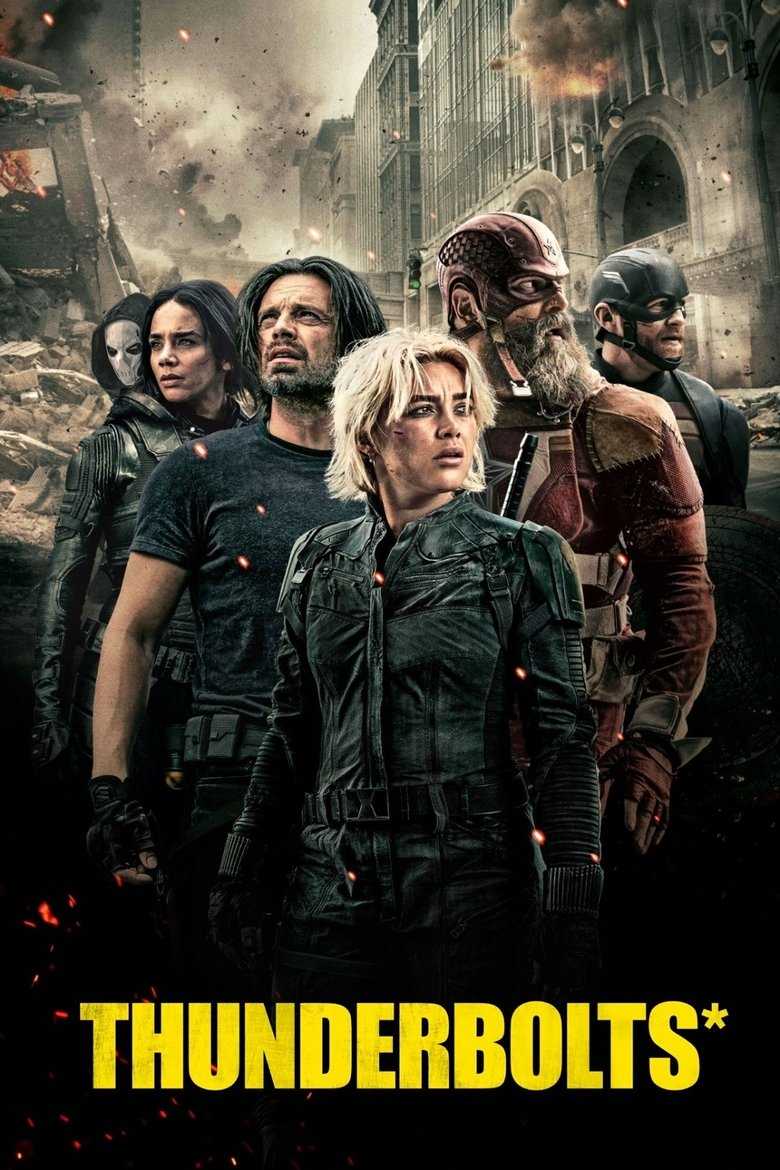
With the recent release of Thunderbolts, The Sentry’s entry into the MCU is marked by significant alterations to his character arc. Notably, the narrative positions the Watchtower’s history prior to The Sentry’s own, with Valentina Allegra de Fontaine acquiring it from the late Tony Stark and renaming it the Watchtower—an inversion of the original comic lore. In this cinematic context, when Reynolds gains his powers and becomes The Sentry, he is brought to the Watchtower for power testing, ultimately leading him to rebel against Valentina and her organization, the Thunderbolts.
An attempt to eliminate The Sentry through a kill-switch fails spectacularly, ultimately triggering the emergence of The Void, his dark persona. While the Thunderbolts struggle against The Sentry’s formidable power, it is Yelena Belova, also known as White Widow, whose compassion saves him from total destruction during a chaotic rampage.
Months post-narrative, the Thunderbolts have evolved into the New Avengers, now operating out of a restored version of the Watchtower, which may resemble its original incarnation yet serves as a home for The Sentry, akin to the comics. This structure is anticipated to be a focal point for The Sentry and associated characters in the forthcoming Avengers: Doomsday, though the extent of his residency remains uncertain.
The Sentry stands out as one of the MCU heroes with the most nuanced alterations to his backstory, a change that has proven beneficial. Originally introduced in 2000, his character emerged from an elaborate ruse propagated by publications such as Wizard, claiming he was a prototype conceived by Stan Lee prior to the creation of the Fantastic Four, a narrative later debunked but which successfully built anticipation for his character arc and series.
Fan sentiment regarding The Sentry’s fit within the broader Marvel Universe has been mixed, with many critics view his introduction as disjointed and artificially enhancing existing lore. Nexus events in the narrative reshaped decades of comic continuity, and while his tenure as a character could have been more standalone, his re-emergence as a key figure alongside the New Avengers muddied perceptions of continuity, resulting in some fatigued receptions.
The perception of overpowered characters poses a significant challenge in storytelling; particularly, The Sentry’s considerable abilities have necessitated convoluted plot devices to maintain narrative tension. In comparison, even powerful entities like the Hulk confront meaningful threats, and Thor’s adventures often intertwine with diverse and challenging experiences.
In Thunderbolts, The Sentry’s overwhelming prowess is palpable as he easily subdued the Thunderbolts’ forces, a dynamic that intriguingly contrasts with alterations to his character and lore. With a modern lining to his origin story, The Sentry is now presented sans baggage of a forgotten heroic legacy, rendering him more accessible to audiences. Yet, his connection to the Watchtower remains steadfast, suggesting it will play a crucial role in future MCU installments. Speculating further, the impending Avengers: Secret Wars could reset the MCU narrative, potentially causing The Sentry and his Watchtower to fade into obscurity once again.
Thunderbolts is now streaming on Disney+.
Based on reporting by CBR.com. Read the full story at CBR.com.