

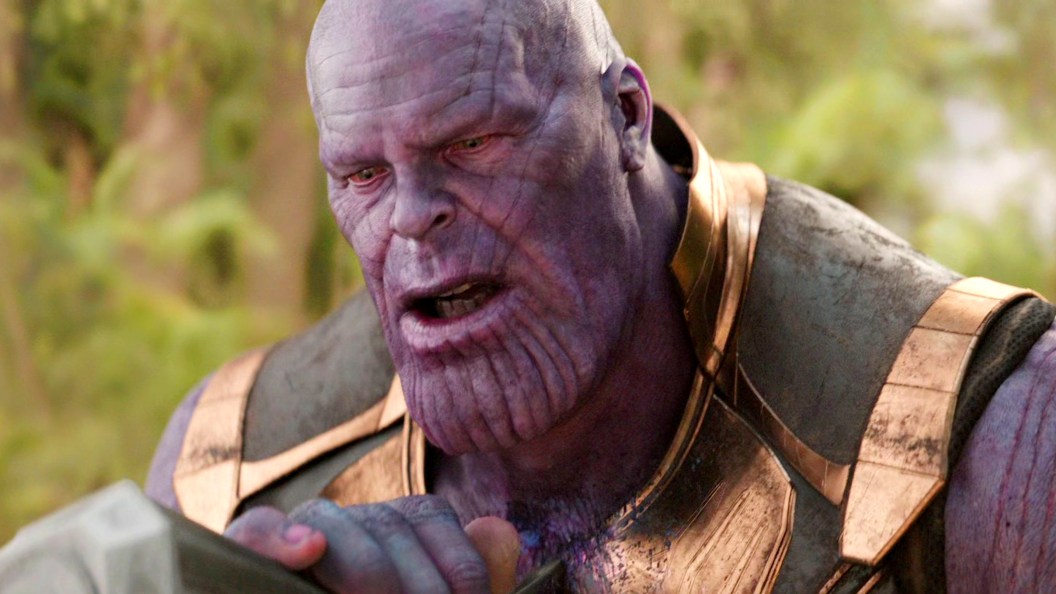
Who will stand as the next formidable villain in the MCU? This question has loomed large over Marvel since the conclusion of Avengers: Endgame. In reality, the inquiry predates the demise of Thanos himself, as the perennial question of “what’s next?” consistently draws attention within discussions surrounding the MCU. Marvel Studios has adeptly utilized post-credits scenes to keep audiences engaged in this narrative. Given that the Mad Titan personified the essence of the first three phases of the MCU and played a pivotal role in its apex films, it is no surprise that this question is being pondered both internally and externally.
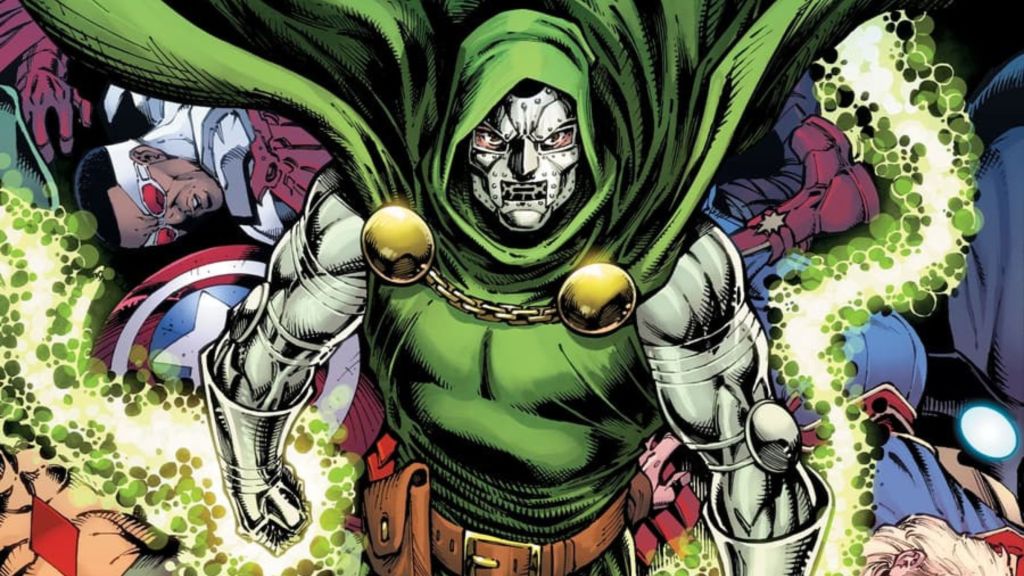
As the quest for the next iconic antagonist evolved from the Infinity Saga to the Multiverse Saga, Marvel appeared to identify Kang the Conqueror as a suitable successor. However, following Jonathan Majors’ departure amid several box office disappointments, Marvel has opted for a significant narrative shift. This pivot now introduces Robert Downey Jr. as Doctor Doom. Time will reveal whether he can ascertain a memorable position in Avengers: Doomsday, yet it is evident that he cannot effectively replace Thanos, nor can any other character.
The MCU Pulled Off A Miracle With Thanos
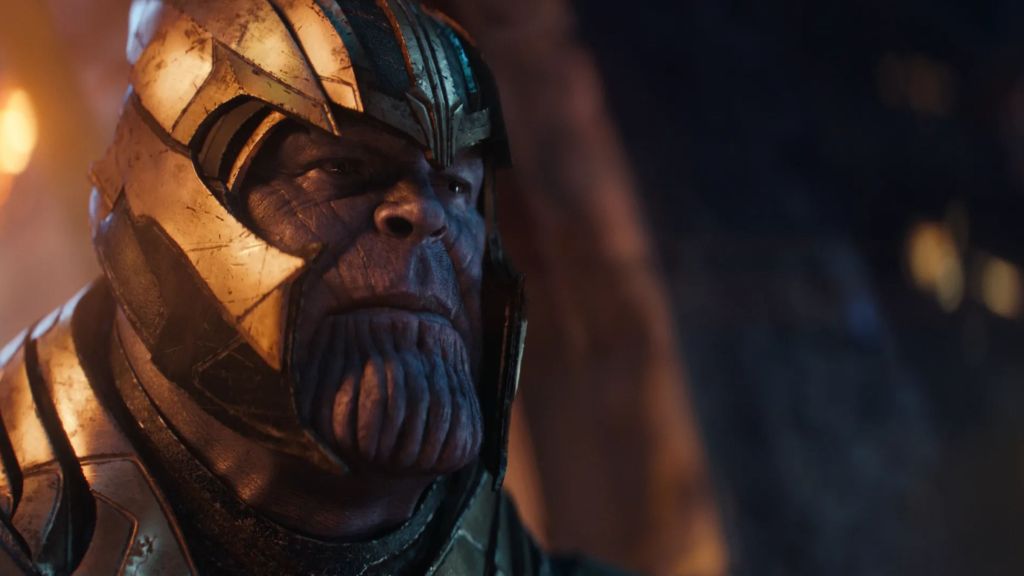
A moment of reflection allows for a greater appreciation of the stellar achievement the MCU accomplished with Thanos. Successfully teasing a villain across multiple films, while simultaneously delivering on those narratives and crafting what has become the franchise’s most compelling antagonist is nothing short of remarkable. Marvel has historically excelled at meticulous planning; however, the landscape was far less fixed than it may have seemed — evidenced by the late introduction of Spider-Man, the cancellation of the Inhumans film, and the transformative pivot of Captain America 3 into Civil War.
This meticulous arrangement necessitated that numerous films became blockbuster hits, establishing a gradual unfolding of the overarching Infinity Stones storyline. Upon reaching this apex, Thanos needed to be portrayed as sufficiently powerful to wield the Gauntlet and annihilate half the universe. At the same time, it was essential that his motivations were substantial enough to justify such catastrophic actions. Remarkably, all these elements coalesced into an unprecedented portrayal of a superhero blockbuster villain, culminating in both Avengers: Infinity War and Avengers: Endgame.
None Of Kang, Galactus, Or Doom Are The New Thanos
As we transition into Phases 4 through 6 of the MCU (the latter still at its nascent stages), it is apparent that elements have begun to misfire. The once-impenetrable facade of the MCU has been somewhat tarnished, with no singular narrative capturing fan enthusiasm in the same way that Thanos’ arc did. This decline can, in part, be attributed to unforeseen developments, yet even prior to that, Kang showed promise but ultimately failed to evoke the same level of excitement as Thanos. He was unceremoniously defeated by Ant-Man in his inaugural outing, further diminishing expectations.
The overarching narrative has become more diffuse and ambiguous, lacking the cohesive thread of the Infinity Stones saga, which, though not directly present in every film, linked enough that audiences grasped the trajectory Marvel was pursuing. This disconnect allowed the MCU to shift away from Kang with relative ease, having little consequence on its slate for 2024 and 2025, barring the obvious delays and retooling of Avengers: Doomsday and Secret Wars. Upcoming projects, such as Deadpool & Wolverine, Captain America: Brave New World, Thunderbolts, and The Fantastic Four: First Steps, although each with their respective shortcomings, display no signs of being adversely affected by these changes.
The alteration from The Kang Dynasty to Doomsday for Avengers 5 does not constitute a jarring transition, even if it presents challenges, notably with the script still undergoing development while filming commences. Consequently, this shift confirms that Kang can no longer fill the role of Thanos, and Doctor Doom, while potentially powerful, will not replace him effectively either.
Doom is unlikely to receive the same gradual buildup Thanos enjoyed, as the primary foreshadowing stems only from post-credits scenes in The Fantastic Four. Unlike Thanos’s appearances in The Avengers leading to a more prominent role in subsequent films, the buildup feels drastically different. It’s akin to if Thanos had only been referenced in a post-credits scene of Guardians of the Galaxy, then emerged as the primary villain in an Avengers film without further character development.
This absence of anticipation and engagement diminishes the potential for Doom to resonate as a significant villain. Whereas Thanos’s formidable reputation was cultivated through years of expectation, theorizing, and narrative tension, Doom’s presence currently lacks that rich tapestry. Much of the current anticipation seems to rely heavily on stunt casting rather than authentic storytelling. The evolution of the MCU has introduced disjointedness, with components that no longer possess the harmonized feel that once defined it, leaving characters delayed in their returns following initial introductions.
In 2026 and 2027, the MCU will present audiences with a combination of Doom, yet it’s unclear whether this will culminate in a lasting impact. Galactus may or may not return, but he has already faced defeat. There currently remains no paramount antagonist that can replicate the intricate build-up seen with Thanos, suggesting that such hopes should be cautiously tempered.
Does The MCU Even Need A Thanos Replacement?
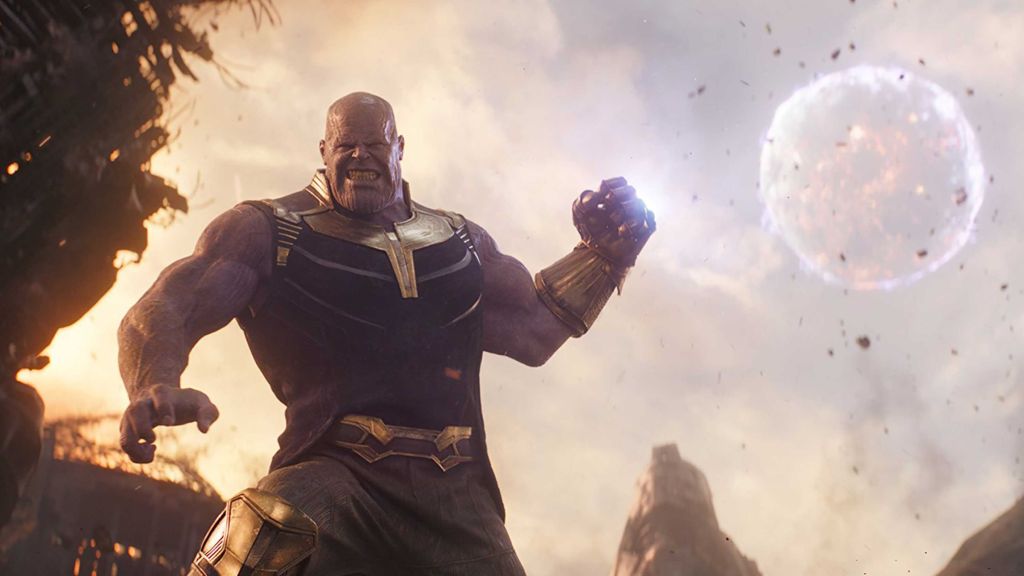
Is it truly detrimental for the MCU to lack a direct successor to Thanos? While the absence of a clear successor can hinder audience expectations, the necessity for the MCU to shift focus towards maintaining quality filmmaking has never been more pressing. Ensuring the production of films that both engage and build audience trust is paramount, particularly after recent underperformances. The less successful Thunderbolts, while a commendable addition to the MCU, marked one of the lower-grossing entries in the franchise.
Avengers: Doomsday holds promise for box office success, yet the franchise must demonstrate its capacity to deliver consistent quality outside of marquee projects, specifically focusing on standalone films. Achieving a sense of interconnectedness among the MCU’s varied offerings is beneficial, but prioritizing quality storytelling and compelling villains remains critical — regardless of whether they are designed for durability or fleeting presence.
The next entry in the MCU, Spider-Man: Brand New Day, is set to premiere on July 31st, 2026, followed by Avengers: Doomsday on December 18th, 2026, and Avengers: Secret Wars on December 17th, 2027.
The post The MCU’s Future: Why Thanos May Remain Unmatched appeared first on ComicBook.com.
Based on reporting by James Hunt. Read the full story at https://comicbook.com/movies/news/mcu-thanos-replacement-villain-not-doom-kang-galactus/