

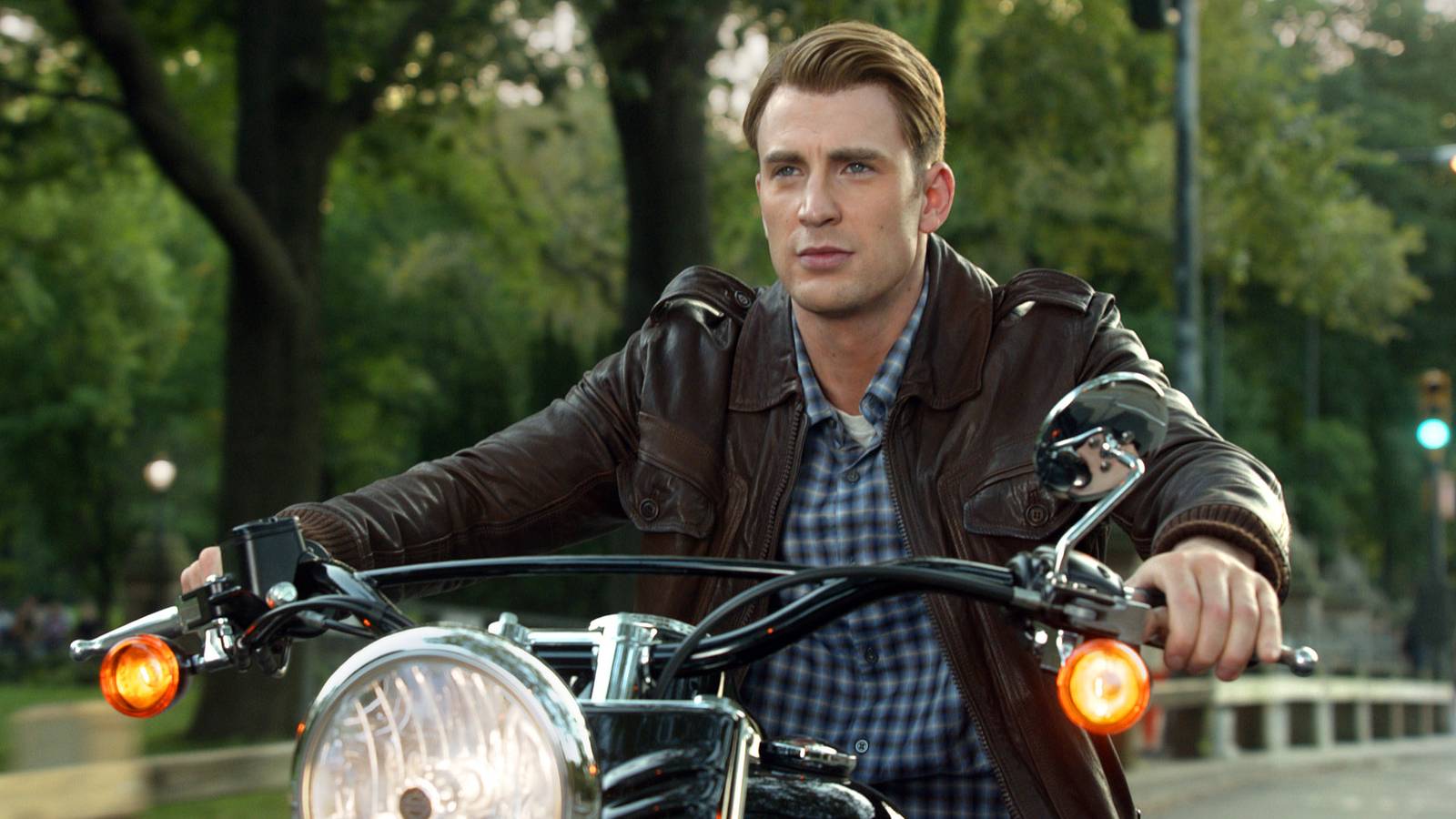
Avengers: Doomsday may be poised to make a significant misstep concerning its iconic character, Steve Rogers. The latest teaser trailer, debuting in theaters alongside Avatar: Fire & Ash, has fueled long-held speculations about Chris Evans’ return as Captain America. This brings him back as a prominent figure in an MCU film, joining fellow original cast members Chris Hemsworth (Thor) and Robert Downey Jr. (who will portray the antagonist, Doctor Victor von Doom).
The debate surrounding Steve Rogers’ return has stirred mixed reactions among the MCU’s enthusiast community, with some expressing concerns that it could undermine the character’s poignant conclusion in Avengers: Endgame. While the Russo Brothers and Evans assert that Steve’s storyline in the upcoming installment will honor his journey in the Infinity Saga, there appears to be an additional critical oversight associated with his comeback—one that could potentially disrupt the rich character development established within the Multiverse Saga.
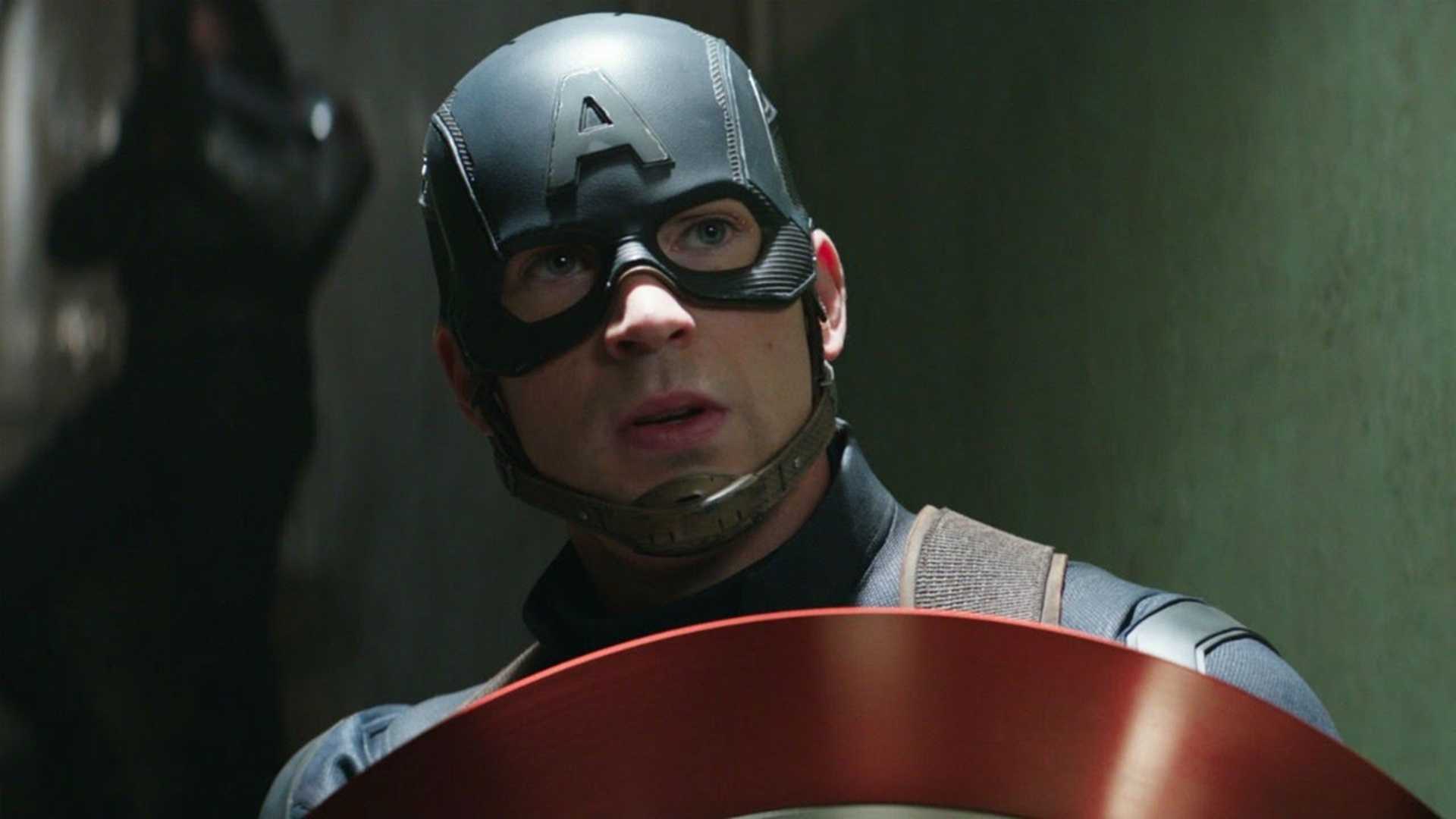
Despite the excitement surrounding Steve Rogers’ appearance in Avengers: Doomsday , it is crucial for Marvel to resist the temptation of having him don the Captain America mantle again. The initial teaser indicates that Steve is ready to retire his superhero identity, encapsulating a narrative of closure following his long service to his country and the world. If Steve were to suit up once more, it should not be under the banner of Captain America.
The potential to disrupt what many consider among the franchise’s best endings arises from the reintroduction of Chris Evans’ character. His graceful departure in Avengers: Endgame, showcasing a fulfilled life alongside Peggy Carter, stands as an iconic moment within MCU history. An essential component of this conclusion is Steve’s transfer of the shield to Sam Wilson, which signifies a pivotal transition of the Captain America legacy. For Steve to reclaim the title now could risk undermining both this impactful moment and the integrity of Sam Wilson’s character development.
Marvel has dedicated substantial narrative focus to ensuring that Sam Wilson is embraced as the new Captain America. The series The Falcon and the Winter Soldier delved into Sam’s internal struggle with his new identity, navigating the complexities of living up to the legacy of his predecessor while grappling with the societal implications of being a Black Captain America. Although the reception to the series was mixed, its nuanced portrayal of Captain America’s legacy through the lens of a new hero was a compelling addition to the MCU’s storytelling.
Likewise, Captain America: Brave New World continues this important narrative, following a resolute Sam as he endeavors to earn the public’s recognition as Captain America. By overcoming formidable challenges, including threats like the Leader and Red Hulk, Sam solidifies his position as the legitimate heir to the Captain America title. Reverting the legacy back to Steve Rogers after all this character development would negate the incredible growth exhibited through Sam Wilson’s journey over the past five years.
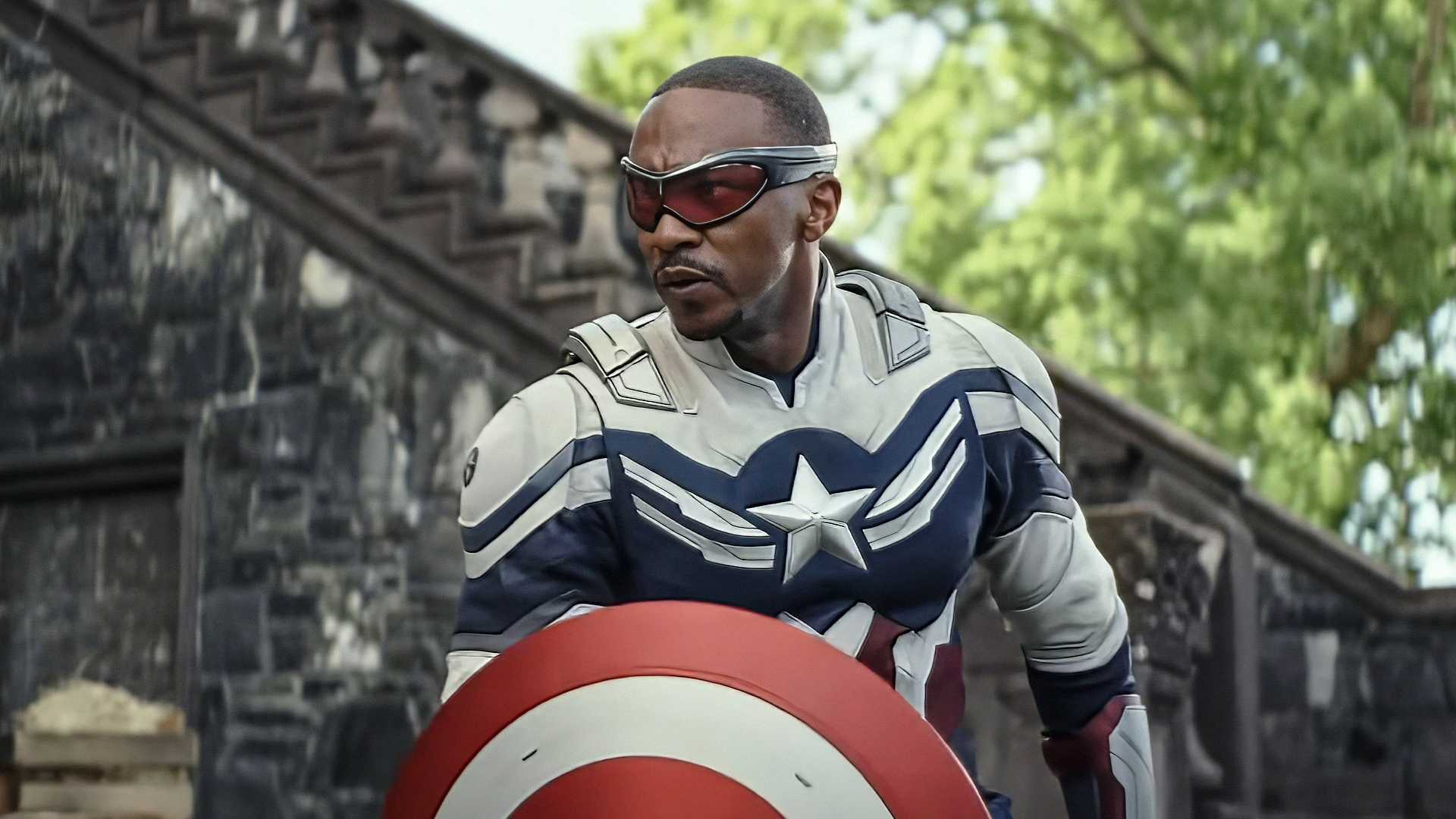
Given Steve’s anticipated return, it is essential for Sam Wilson to assume a more central role in Avengers: Doomsday compared to previous ensemble movies. The evolution of Anthony Mackie’s character has seen him progressively embrace his new identity as Captain America, culminating in a natural progression where Sam should emerge as the Avengers leader.
For years, Steve Rogers served as the rallying point for the Avengers, offering moral guidance and drawing the team together with inspiring speeches. By the conclusion of Captain America: Brave New World, Sam has finally reached a stage of confidence needed to lead in a similar capacity. Besides becoming the new team leader, Sam is actively engaged in piecing together a unified Avengers squad, as emphasized in Thunderbolts. Key interactions with characters like Bucky Barnes will highlight the interpersonal dynamics of this new team formation.
Steve Rogers’ return under the Captain America title in Avengers: Doomsday could significantly undermine Sam Wilson’s established authority as the new leader. It would create a division within the team, torn between following their long-time leader and endorsing his successor, placing unnecessary strain on the Avengers. Sam deserves the opportunity to assert himself as a capable leader, just as Steve did, without the overshadowing presence of the individual who bestowed upon him the Captain America mantle.
Fortunately, it appears Marvel Studios acknowledges the importance of elevating Sam Wilson as the definitive Captain America. Recent exposé evidence indicates that Sam will spearhead his own Avengers team, which includes characters like Shang-Chi, Thor, Loki, Ant-Man, and Falcon. Meanwhile, Steve Rogers may lead a different team against Doctor Doom, ensuring that Sam remains the singular Captain America and team leader during this critical conflict.
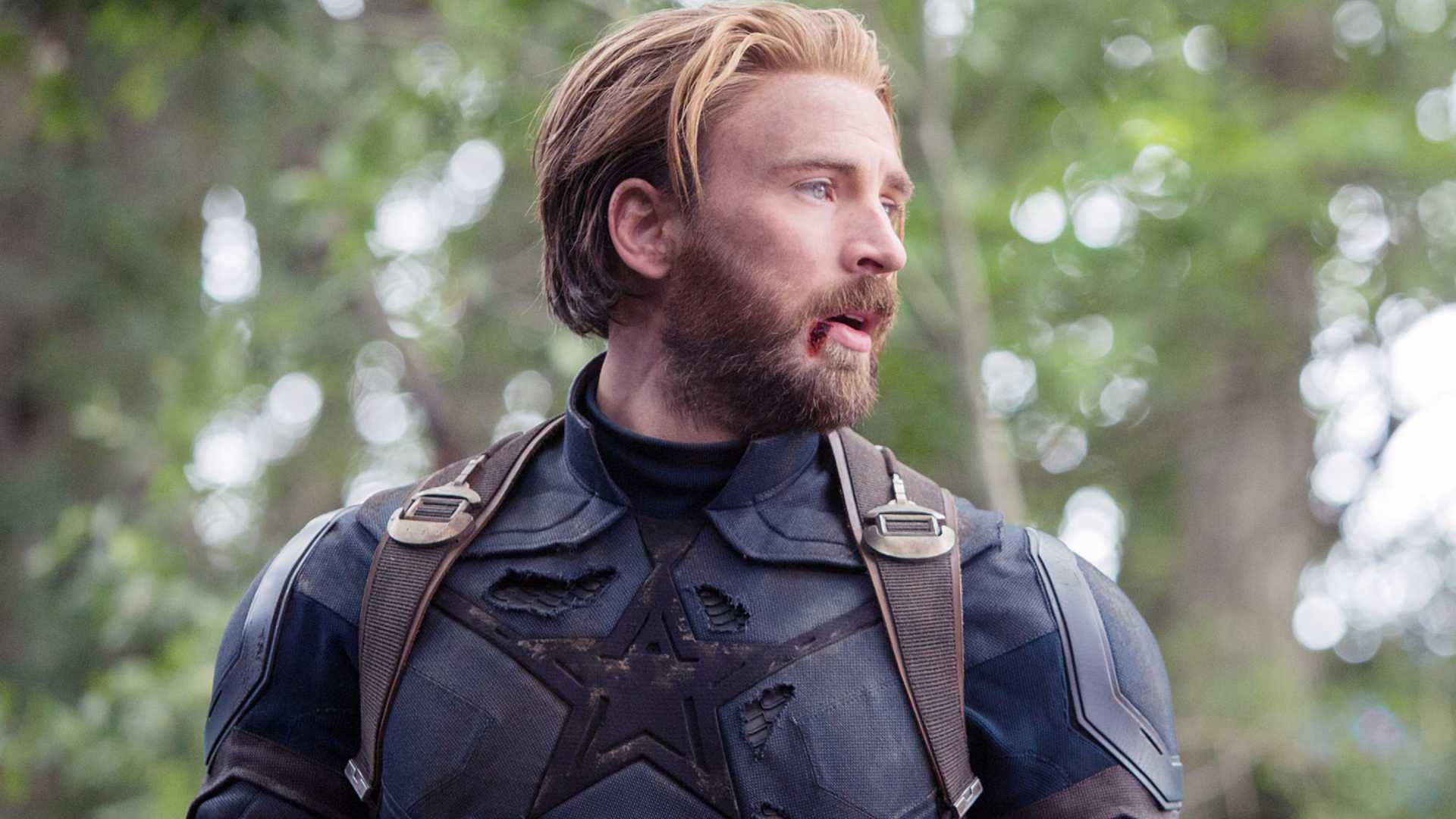
Marvel Studios already possesses a compelling alternative for Steve Rogers upon his return in Avengers: Doomsday. In the comic narrative, Rogers briefly adopts the identity of Nomad after he relinquishes the title of Captain America. This provides him with the opportunity to explore a different persona, free from the constraints of his iconic shield and suit. While this change was transient in the comics, it could play a meaningful role in the Multiverse Saga.
The MCU hinted at Steve’s possible embrace of a Nomad identity post-Captain America: Civil War, which saw him and his allies in a fugitive state for refusing to comply with the Sokovia Accords. Although his later portrayal in Avengers: Infinity War had echoes of Nomad, he had not fully embraced the role before reverting to Captain America. By the time of Avengers: Endgame, he was positioned back as Captain America without ever fully embodying the Nomad identity.
Avengers: Doomsday has the opportunity to fully realize the Nomad character, allowing Steve Rogers to cultivate his own unique identity without infringing upon Sam Wilson’s burgeoning legacy. This strategic approach could facilitate a cooperative dynamic where both characters engage seamlessly in the fight against shared foes. Additionally, it would open up new avenues for character exploration as Steve Rogers embarks on a new chapter in his hero’s journey.
While Steve Rogers’ return holds the potential for significant narrative development within the Marvel Cinematic Universe as it caps off the Multiverse Saga and paves the way for future stories, it is essential for the creators of Doomsday to tread carefully, ensuring they do not retrace previous paths for Steve’s character arc or undermine the careful work laid for Sam Wilson. Adhering to these fundamental aspects can assure fans that Steve’s return will live up to the excitement inspired by the teaser trailers, while avoiding the inadvertent degradation of one of Marvel’s most revered figures.
Avengers: Doomsday opens in theaters on December 18, 2026.
Based on reporting by Jordan Iacobucci. Read the full story at https://www.cbr.com/avengers-doomsday-steve-rogers-captain-america-mistake/.