
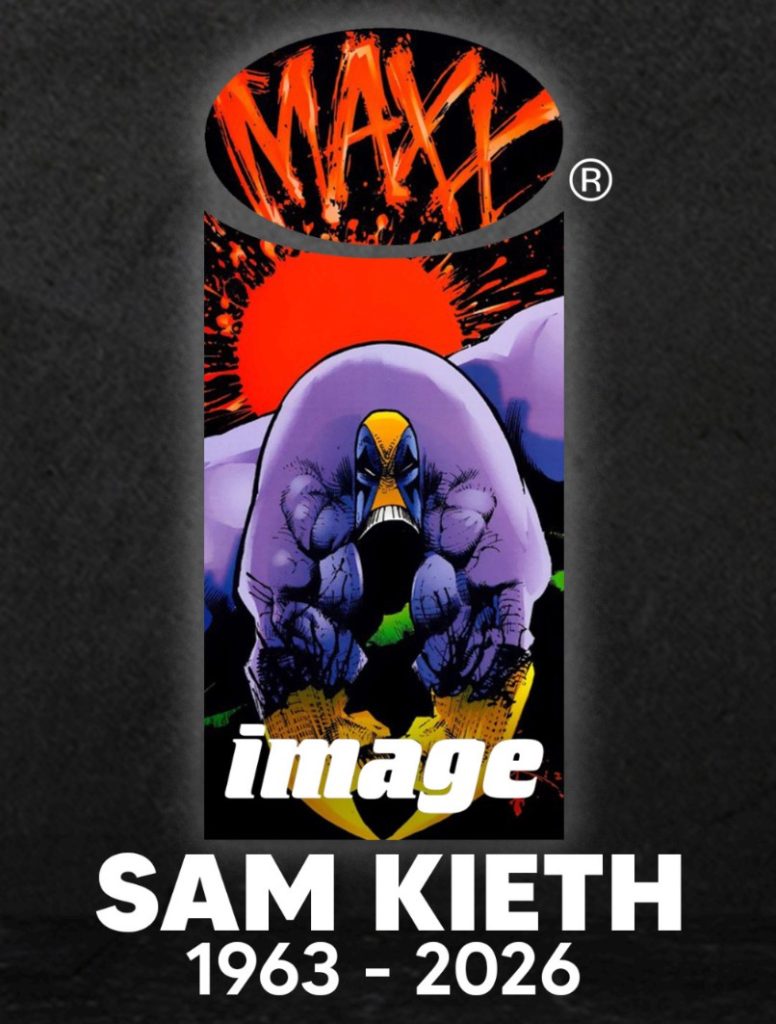
The comic book world has lost one of its most unique and imaginative voices with the passing of Sam Kieth, who died on March 15, 2026, at the age of 63 after complications from Lewy body dementia.
For longtime fans, his name is synonymous with bold creativity. For newcomers, his work is a doorway into a side of comics that pushed far beyond capes and conventions.
From Sketchbook Dreams to Industry Breakthrough
Kieth’s journey into comics started early—very early. As a teenager, he published his first story about a killer rabbit named “Max the Hare,” a concept that would later evolve into something much bigger.
By the early 1980s, he was already making waves behind the scenes, inking titles like Mage and Fish Police. His raw, almost chaotic style stood out in an industry that often favored clean, traditional superhero aesthetics.
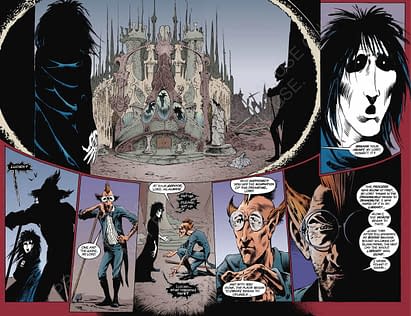
But it was in 1989 that Kieth’s career took a defining leap—co-creating and illustrating the opening arc of The Sandman alongside Neil Gaiman. Those early issues helped establish the tone of what would become one of the most celebrated comic series of all time.
Marvel, Monsters, and Momentum
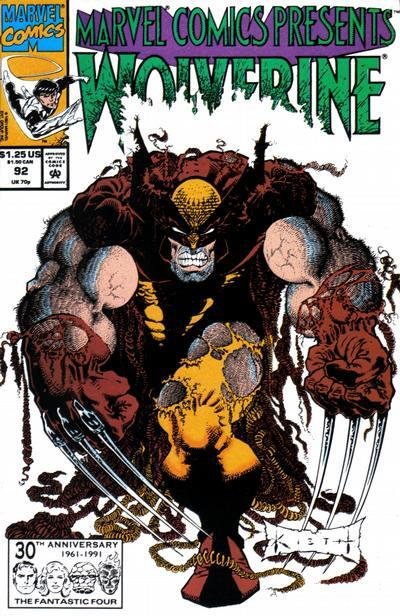
Kieth’s distinct visual voice didn’t go unnoticed. At Marvel, he contributed to Marvel Comics Presents, delivering unforgettable takes on characters like Wolverine and The Hulk. His work helped redefine how dynamic—and strange—mainstream comics could look.
But even as he found success within the system, Kieth was always pushing toward something more personal.
The Maxx: A Breakout That Changed Everything
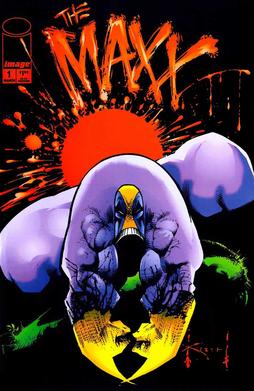
In 1993, Kieth made the leap that would define his legacy: creating The Maxx for Image Comics.
At first glance, The Maxx looked like a superhero comic—but it quickly revealed itself as something far deeper. The story blended psychological drama, trauma, identity, and surreal fantasy, following a homeless man who may—or may not—be a hero in another reality known as “The Outback.”
It ran for 35 issues and became one of Image’s most iconic early titles, helping define the publisher’s reputation for creator-owned storytelling.
The impact didn’t stop on the page.
From Comics to MTV: The Maxx Goes Animated
In 1995, The Maxx made the jump to television as part of MTV’s Liquid Television programming block.
The animated adaptation mirrored Kieth’s unconventional storytelling, blending styles, perspectives, and even media formats to recreate the comic’s dreamlike tone. It introduced a wider audience to his work and proved that comics didn’t have to follow traditional storytelling rules to succeed on screen.
A Career Defined by Fearless Creativity
Beyond The Maxx, Kieth continued to create and experiment. Titles like Zero Girl, Four Women, and Ojo showcased his willingness to explore deeply personal and unconventional themes.
He also returned to iconic characters in his own way, delivering unique takes on Batman, The Hulk, and even Judge Dredd—always injecting his unmistakable style into every page.
His work wasn’t always “mainstream-friendly”—and that’s exactly what made it matter.
An Artist Who Changed How Comics Could Feel
What set Sam Kieth apart wasn’t just his art—it was his perspective. His pages felt alive, unpredictable, sometimes uncomfortable, but always honest. He blurred the line between reality and imagination long before it became a trend.
For many readers, The Maxx was their first exposure to comics that felt different—more emotional, more abstract, more human.
And for creators? He was proof that there was another way to tell stories.
Final Thoughts
Sam Kieth didn’t just draw comics—he challenged what comics could be. From his early days breaking into the industry, to redefining storytelling with The Maxx, his influence continues to ripple through the medium today.
For those discovering his work for the first time, you’re not just reading comics—you’re stepping into a mind that refused to play by the rules.
And that’s exactly why he’ll never be forgotten.
**Plastiq News — Where Plastic Meets Passion, and Stories Live Forever.**