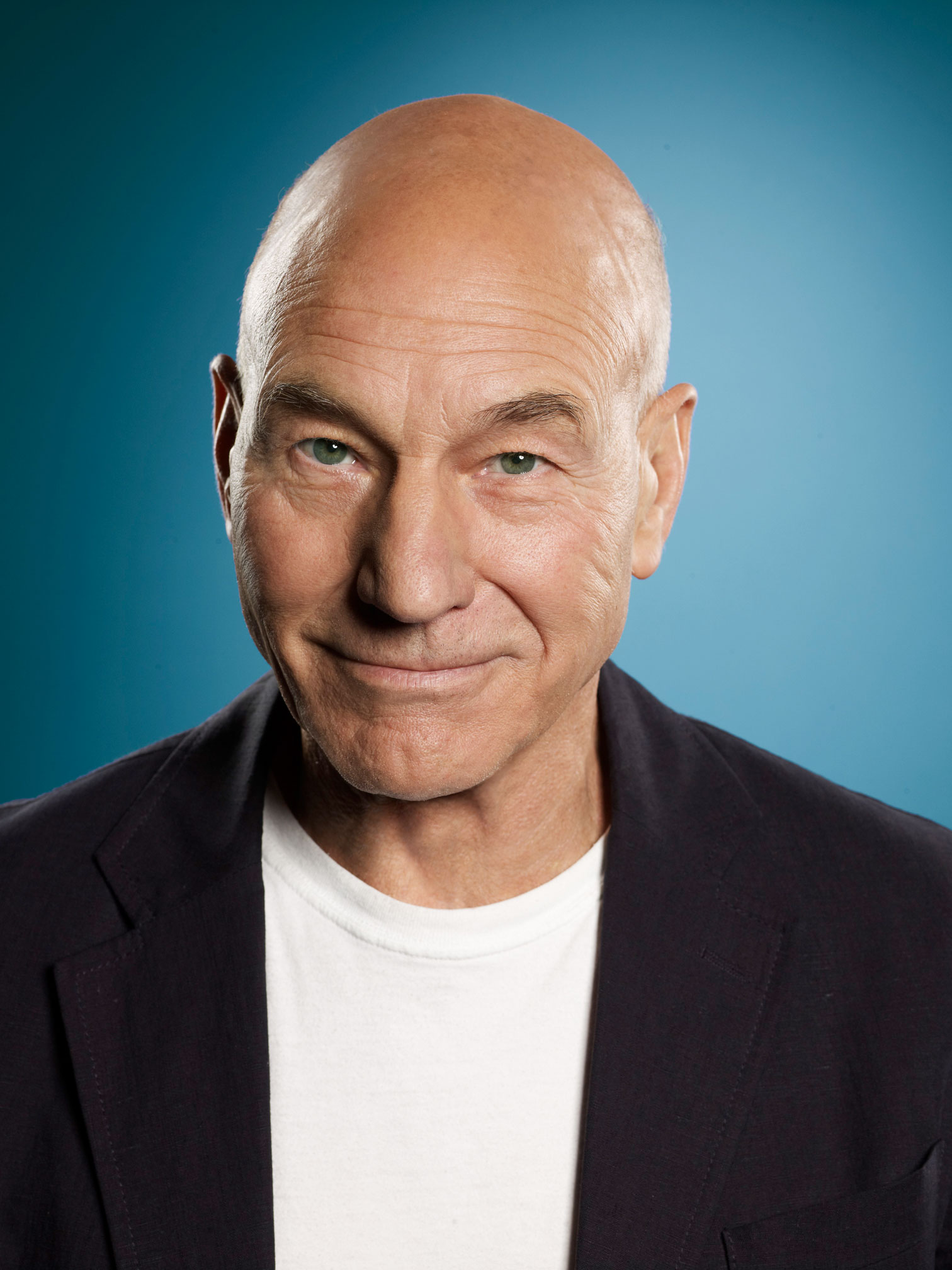
Sir Patrick Stewart, the acclaimed British actor who became a science fiction legend as Captain Jean-Luc Picard in Star Trek: The Next Generation and Professor Charles Xavier in the X-Men franchise, has died at 86.
Across a career spanning more than six decades, Stewart established himself as one of his generation’s most distinguished performers, bringing the discipline of classical theater to blockbuster films and television. While his work with the Royal Shakespeare Company earned him respect on the stage, his performances as Picard and Xavier introduced him to millions of fans worldwide.
Born July 13, 1940, in Mirfield, West Yorkshire, England, Stewart trained at Bristol Old Vic Theatre School before embarking on a successful theater career. His commanding voice, measured delivery, and ability to convey intelligence, authority, and vulnerability made him an ideal fit for two of popular culture’s most enduring franchises.
Starring as Captain Picard
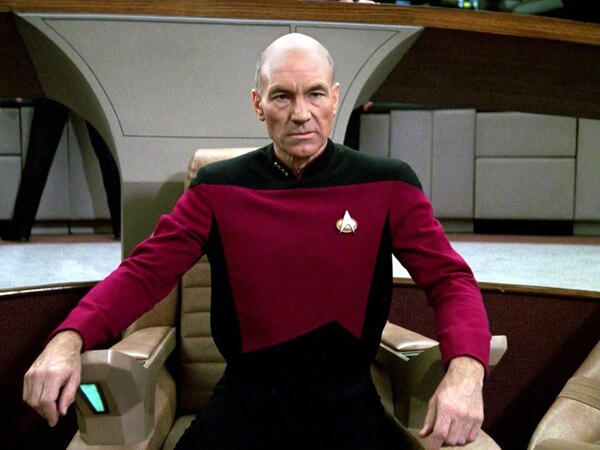
Stewart’s defining television role arrived in 1987 when he was cast as Captain Jean-Luc Picard in Star Trek: The Next Generation. Taking over the captain’s chair of the USS Enterprise-D, Stewart helped lead the franchise into a new era, portraying a thoughtful and principled Starfleet officer whose leadership relied as much on diplomacy and reason as it did on courage.
Initially, Stewart was an unexpected choice for a franchise associated with William Shatner’s Captain James T. Kirk. However, his classical background allowed him to develop a distinct presence, creating a captain whose strength stemmed from his intellect and moral conviction.
Over seven seasons, from 1987 to 1994, The Next Generation became one of television’s most successful science fiction series. Stewart’s Picard quickly became one of the franchise’s most recognizable characters, delivering memorable performances that explored themes such as artificial intelligence and civil rights.
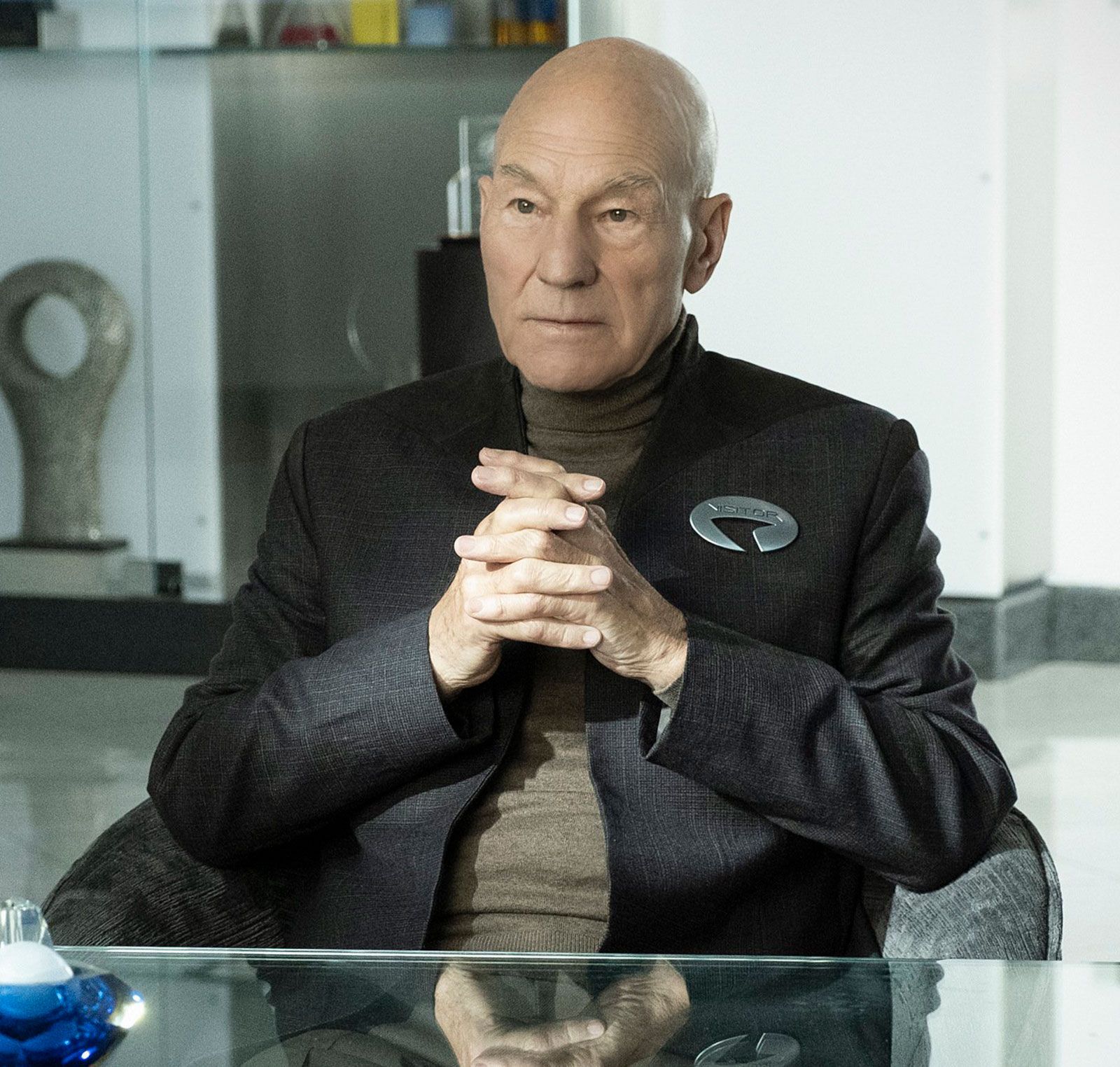
Stewart continued playing Picard on the big screen in Star Trek Generations (1994), Star Trek: First Contact (1996), Star Trek: Insurrection (1998), and Star Trek: Nemesis (2002). More than twenty years after The Next Generation ended, he returned to the role in Star Trek: Picard, which ran from 2020 to 2023.
This revival not only reunited Stewart with familiar faces but also explored Picard’s later years, legacy, and relationships with those who served alongside him. The third and final season provided an emotional farewell to the crew that defined a generation of fans.
Impact as Professor Xavier
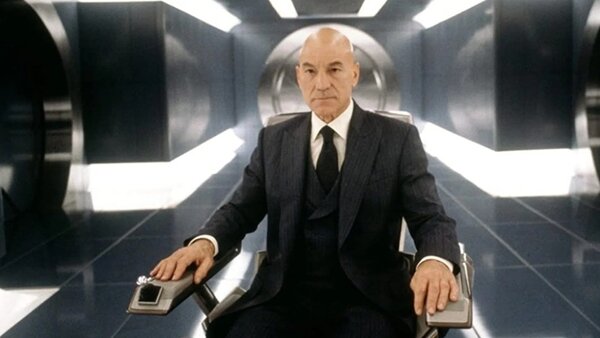
In 2000, Stewart entered another major franchise when he portrayed Professor Charles Xavier in X-Men, the adaptation of Marvel’s beloved comic books. As the founder of the X-Men and a powerful telepath dedicated to peaceful coexistence between mutants and humans, Xavier showcased a different kind of heroism that suited Stewart well.
Xavier embodied compassion and intellectual strength, and Stewart gave the character a quiet authority that grounded the franchise’s superhuman conflicts in real-world issues of prejudice and acceptance. His chemistry with Ian McKellen, who played Magneto, defined the series through their characters’ philosophical disagreements.
Stewart reprised the role in X2: X-Men United (2003) and X-Men: The Last Stand (2006), as well as in cameo appearances in X-Men Origins: Wolverine (2009) and The Wolverine (2013). In X-Men: Days of Future Past (2014), he played a pivotal role that united the franchise’s original and younger casts.
One of his most powerful performances came in Logan (2017), which presented an aging Xavier confronting health decline in a bleak future. Opposite Hugh Jackman’s Wolverine, Stewart highlighted the character’s vulnerability, earning widespread acclaim for his emotional depth.
He later appeared as Xavier in Doctor Strange in the Multiverse of Madness (2022), reaffirming his impact in a new Marvel continuity. His forthcoming appearance in Avengers: Doomsday is expected to carry new emotional weight.
Legacy Beyond Science Fiction
Throughout both the Star Trek and X-Men franchises, Stewart achieved a rare distinction: he portrayed two iconic leaders, defined not by physical power but by wisdom, empathy, and the belief in the potential for understanding to change the world.
Stewart’s career was deeply rooted in the theater. As a member of the Royal Shakespeare Company, he performed notable classical roles, including Macbeth and Claudius. His stage work continued alongside his screen career, notably in productions such as Harold Pinter’s No Man’s Land and Samuel Beckett’s Waiting for Godot, often alongside McKellen.
His extensive screen credits included appearances in films like David Lynch’s Dune (1984), Excalibur (1981), and Green Room (2015), as well as noteworthy television performances in Moby Dick, The Lion in Winter, and Extras.
Stewart received numerous honors throughout his illustrious career, including a Grammy Award for his narration of Prokofiev: Peter and the Wolf. He was knighted by Queen Elizabeth II in 2010 for his services to drama.
Stewart is survived by his wife Sunny Ozell and his two children from his first marriage. His representative stated that he passed away following a brief illness involving Alzheimer’s disease and Lewy body dementia.
The Final Word — Plastiq News
Star Trek has lost one of its greatest captains, but Patrick Stewart’s legacy will continue traveling among the stars.The man may be gone, but the mission, the memories, and the inspiration will live long and prosper.
For more Star Trek news, discussions, retrospectives, and tributes, visit the Red Shirt Away Mission YouTube channel, dedicated to exploring everything Star Trek.
Red Shirt Away Mission and Plastiq News are both part of Vault 9 LLC.
Rest in peace, Sir Patrick Stewart (1940–2026). Your watch may have ended, Captain, but your legacy will never fade.