
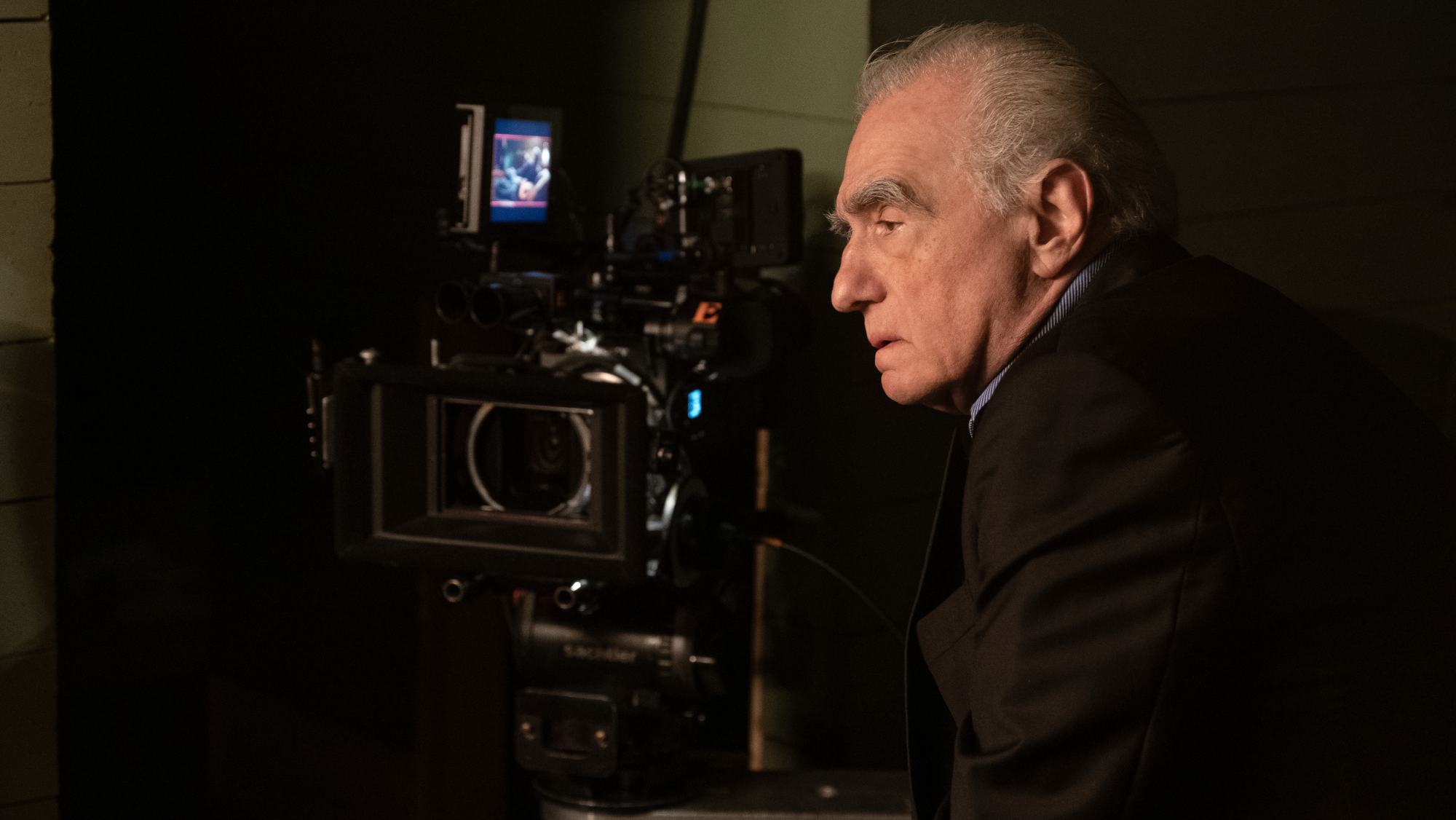
Documenting the life and work of Martin Scorsese presents a considerable challenge for any filmmaker. However, Rebecca Miller embraced this endeavor after expressing her desire to take on the project.
Having interacted with the iconic director behind classic films such as Taxi Driver, Raging Bull, and Goodfellas over the years, Miller reached out to Scorsese’s documentary producing partner to inquire if a documentary was in the works. She learned that while many directors had attempted, none had secured his approval. Subsequently, she pitched her concept and was met with enthusiasm; Miller recalls, “I had a meeting, and by the end of that meeting, it felt to me like maybe we were making this film.”
Releasing on Apple TV this Friday, Miller’s five-part docuseries Mr. Scorsese chronicles the director’s journey from his upbringing in the Little Italy neighborhood of Manhattan, where he observed the wise guys who would later influence his filmmaking, to his preparation for the upcoming Killers of the Flower Moon. The series features around 20 hours of interviews with Scorsese, complemented by discussions with key figures from his past, including Leonardo DiCaprio and Thelma Schoonmaker. It captures the peaks and valleys of his career, from winning the Best Director Oscar for The Departed to grappling with periods of substance abuse and depression.
Miller reflected on Scorsese’s volatile journey, stating, “That even Scorsese has had an up-and-down journey gives hope to all of us that there’s a way to redefine yourself always.”
In an interview with The Hollywood Reporter, Miller shared her insights on the lesser-known films she aimed to highlight, her approach to Scorsese’s faith, and how she facilitated emotional reunions with his childhood friends during filming.
Did you as a director have any trepidation about tackling Martin Scorsese’s life and work?
“I was excited about it. Often, I suppress fear while working because if I allowed it to surface, I might not accomplish anything. In retrospect, I’ve become nervous, but I feel grateful that I undertook this project. I approached it with the belief that there was something meaningful to explore and simply put one foot in front of the other.”
Where did the idea originate to bring together some of Scorsese’s boyhood pals for conversations with him for the film?
“Initially, during our first interview, he shared childhood photographs, some featuring dear friends who were pivotal during his formative years. I recognized their significance in shaping his work and began asking about their current contact. Marty was indeed in touch with several of these friends. I contacted them and visited some in Florida, resulting in two wonderful shoots in a café and a restaurant where they reminisced. It felt like an honor to engage with their narratives, especially considering Robert Uricola has since passed; he was integral to many memories.”
How open and voluble did you find Scorsese from the jump or did it take time for him to open up?
“I approached this project with curiosity, knowing much about his films but little of his personal life. I was pleasantly surprised by his honesty as we navigated some unexpected details about his childhood together.”
Scorsese’s producing partner, his manager, his manager’s sister, and a financial backer were involved in this project. How did that come about, and did it impose creative restrictions?
“When we began, it was shortly before the pandemic hit, prompting us to self-finance and conduct initial interviews on my porch. After establishing some groundwork, Rick Yorn, Marty’s manager, suggested reaching out to Apple for support given their existing relationship. Importantly, I maintained creative control throughout the process. I was clear that I would not engage in a project without it, and he was very respectful of that.”
Were there any films that you felt needed recognition or were underappreciated that you specifically wished to include in this series?
“I believe Alice Doesn’t Live Here Anymore is a wonderful film that many haven’t seen, and The Age of Innocence is among my favorites of his. Mark Harris poignantly noted that, due to the success of his mob films, Scorsese became labeled as ‘the mob director.’ In truth, his interest lies in exploring distinct worlds, showcasing the reality of life during that time through an anthropological lens.”
The series emphasizes Scorsese’s investigation of good and evil in his work. Was this a theme you sought to address, or did it evolve organically?
“From the outset, I was intrigued by his spiritual life and its profound influence on his films. Understanding how his faith intersected with works like Raging Bull and Goodfellas evolved into a key focus that ultimately revealed deeper questions regarding morality threaded through his body of work.”
What do you hope viewers take away about Martin Scorsese from this series?
“I read a review describing the series as a thrilling ride in a hot air balloon, filled with dramatic shifts. It portrays Scorsese’s resilience and the countless moments where he believed his journey was over, only to rise again. Through these stories of survival, my hope is that it encourages viewers to rediscover his films, unveiling facets they may not have recognized. Ultimately, this series reflects not just Scorsese’s journey but serves as a mirror to the culture of our country, capturing our many complexities: beauty, greed, violence, and love.”
Was there anything you regretted having to cut from the documentary?
“A poignant story about how Scorsese helped revive the career of director Michael Powell—a tale of filmmaking, mentorship, and friendship. I feel it was a beautiful addition that represented Marty’s essence but ultimately didn’t fit into the documentary’s scope. To ensure quality, sometimes, sacrifices must be made.”
Were there any films you rediscovered during this project?
“I wasn’t familiar with his early works. One remarkable discovery was It’s Not Just You, Murray!, which at a young age showed an early glimpse of elements prominent in Goodfellas. It was fascinating to see how Scorsese’s filmmaking approach has evolved while still echoing those earlier themes and stylistic traits, rooted in his inherent understanding of cinematic language and storytelling.”
This interview has been edited for length and clarity.
Based on reporting by Hollywood Reporter. Read the full story at Hollywood Reporter.