
In 2025, Disney and Marvel Animation debuted the chilling miniseries *Marvel Zombies*, captivating streaming audiences with its horror-driven narrative set against a grim backdrop of a zombie-infested Marvel Cinematic Universe. This series not only serves horror aficionados but also offers a plethora of nostalgic nods to fans. The franchise’s inception dates back to 2007, when Marvel delivered a remarkable crossover that fused its iconic zombie lore with another celebrated horror franchise.
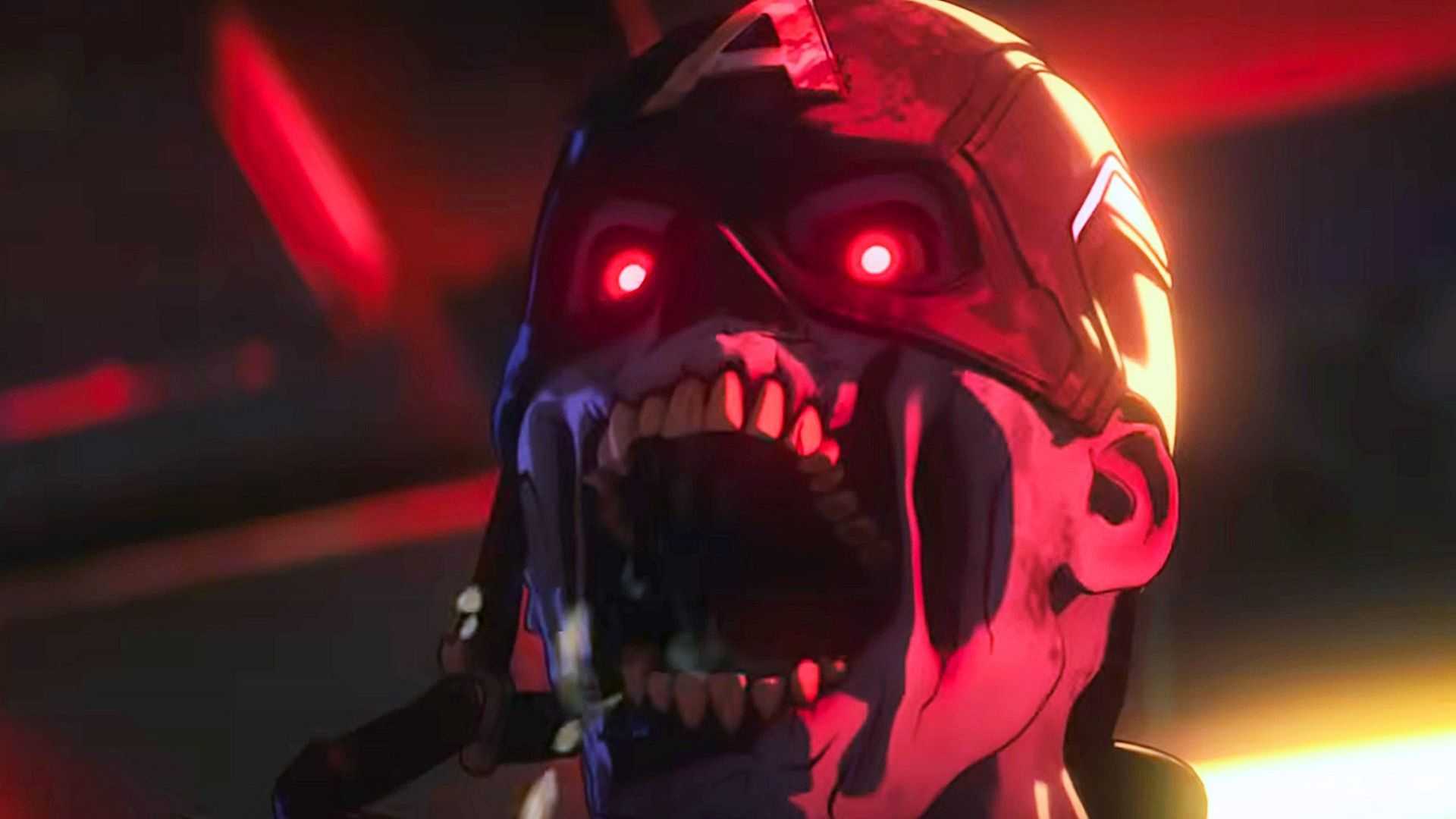
The synergy between horror and comics is a longstanding tradition dating back to the Golden Age, with zombies being one of the most pervasive horrors in the medium. Titles such as *DCeased* and *Marvel Zombies* exemplify this trend, and the successful TV adaptation released in 2025 underscores the genre’s lasting appeal. The crossover initially launched in 2007 saw Marvel’s infamous undead characters collide with the realm of horror, providing fans with an unforgettable experience.
*Marvel Zombies* immerses viewers in an alternate reality nearly identical to the Marvel 616 universe, diverging only when a zombified Thanos emerges to bring about apocalyptic chaos. Years after this calamity, most heroes and villains have succumbed to the overwhelming plague, leaving a scant number of survivors. In this harrowing landscape, Kamala Khan is rescued by Blade, now hosting Khonshu and assuming the mantle of Moon Knight.
With a transmitter in her possession, believed to hold the key to salvation, Khan and her protector embark on a quest to locate other survivors and summon help. From a zombified Namor wreaking havoc beneath the waves to the pivotal role of Scarlet Witch in the unfolding narrative, the miniseries delivers continuous fan service for MCU enthusiasts.
Released strategically for the Halloween season, *Marvel Zombies* has rapidly cemented itself as a streaming phenomenon, showcasing it as one of Marvel’s most engaging offerings of the year. As their first true horror project since 2023’s *Werewolf By Night*, it marks a refreshing departure from traditional fare. This series highlights animation as a promising avenue for the MCU, allowing experimentation with various genres for characters like Thor, Hulk, and Doctor Strange, especially at a time when live-action productions face escalating budget demands.
As 2025 saw a slight reduction in Marvel output with several series concluding and major film projects on the horizon, *Marvel Zombies* notably shines as a standout creation. Operating within an entirely distinct universe, this miniseries reinvigorates the stakes for viewers, providing an unpredictably thrilling narrative reminiscent of the turmoil in *Infinity War*.
From Blade’s return amidst delays in his solo film to the multifaceted journey of Kamala Khan, this miniseries is a source of joyful entertainment. Given that Elseworlds-style narratives have gained traction in both print and animation, the success of projects like this could signal exciting future possibilities.
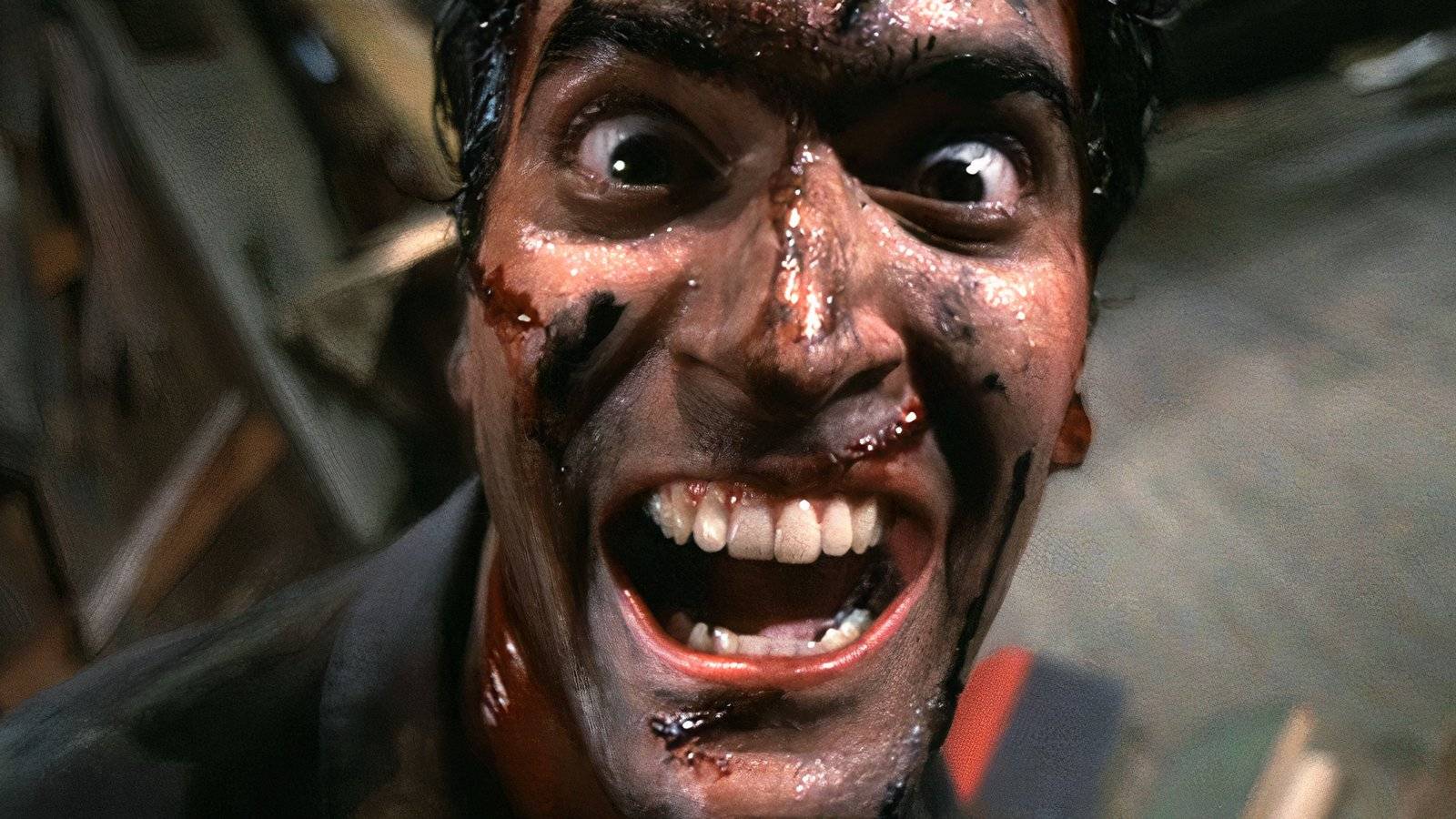
In 1981, Sam Raimi made indie horror history with *Evil Dead*, the project that launched both his and Bruce Campbell’s careers. The film follows Ash Williams and his companions as they venture to a remote cabin, where an ominous tape recording of a professor reading from the Necronomicon Ex Mortis inadvertently unleashes an ancient evil. This catastrophic event leads to Ash’s friends transforming into demonic entities called Deadites, compelling him to fight back with his trusty chainsaw.
The comic *Marvel Zombies vs Army of Darkness* (John Layman, Fabiano Neves, and June Chung) charts Ash Williams’s transition from the afterlife into the Marvel universe, where the Deadites follow him as part of an ominous prophecy. Confronted with a skeptical Avengers team, Williams witnesses the disintegration of reality while finding himself in the frontline of the apocalypse alongside Spider-Man.
As the world crumbles and key superheroes succumb to the living dead, Ash joins forces with an eclectic cast of characters, including the Punisher and even facing off with Doctor Doom, all while maintaining his characteristic humor in the face of despair. The clever reimagining of Marvel’s zombies as Deadites seamlessly integrates Raimi’s world into the Marvel universe, proving to be a brilliant and coherent crossover.
The charming interplay between Ash’s roguish demeanor and the various Marvel personalities, from the stalwart Captain America to the grim Punisher, injects the narrative with quintessential moments of humor. A fresh perspective on Stan Lee, Steve Ditko, and Jack Kirby’s universe through Ash’s eyes enriches the storytelling, solidifying its status as a classic tale. This narrative does not merely force Raimi’s franchise to coexist with *Marvel Zombies*; instead, it utilizes the series’s events as an impetus for the impending apocalypse.
Created as a cheeky anti-hero, Ash Williams applies the same self-aware wit akin to Deadpool’s to the Marvel context, providing a unique and engaging experience, albeit less meta than Wade Wilson’s escapades.
Over the years, the art of comic book crossovers has been challenging for publishers and writers, often skewing towards a single character’s prominence. The attempt to blend disparate fanbases can be fraught with difficulty, yet the merge between the Marvel universe and Raimi’s *Army of Darkness* proves effective.
At the time, the *Marvel Zombies* series was a nascent concept, and the crossover with Ash Williams marked a significant milestone. The series either struck viewers as an unconventional approach or a brilliant fusion of genres. With the current success of titles like *DCeased* and streaming adaptations, it’s evident that Robert Kirkman and Sean Phillips’ conceptualization has achieved lasting impact.
Since George A. Romero’s groundbreaking *Night of the Living Dead*, the entertainment landscape has demonstrated zombies’ timeless relevance. Various authors and directors have continually reinterpreted the genre, while Raimi’s Deadites balance classic zombie attributes with demonic forces. His creations epitomize malevolent supernatural entities with complex personalities, offering substantial opposition to Ash Williams. As illustrated in *Marvel Zombies vs Army of Darkness*, such an approach readily adapts to confront other heroes.
Ash’s most notable stories have often manifested through interactions with other universes, demonstrated by recent titles like *Army of Darkness/Bubba Ho-Tep* (Scott Duvall and Vincenzo Federici); however, his adventure in Spider-Man’s New York remains a highlight.
Since the 1990s, DC Comics has established itself as a leader in superhero animation, exemplified by series such as *Justice League* and *Batman: The Animated Series*. With the triumph of *Marvel Zombies*, Marvel has showcased its potential to rival Warner Bros through superior storytelling and innovative ideas. With a wealth of *What If?* scenarios and an array of both in- and out-of-continuity tales encompassing dark fantasy and horror, the exploration potentials are vast.
The success of recent projects like *Your Friendly-Neighborhood Spider-Man* suggests a promising trajectory for Marvel in the realm of animation. While superhero fatigue is a common concern, *Marvel Zombies* exemplifies that genre versatility and diversifying narratives can maintain relevance within the industry.
Crossovers in comics have persistently enhanced the allure of numerous characters. For those captivated by *Marvel Zombies*, the encounter with Sam Raimi’s *Army of Darkness* and Ash Williams stands as an essential horror comic worth revisiting to this day.
Based on reporting by CBR.com.