




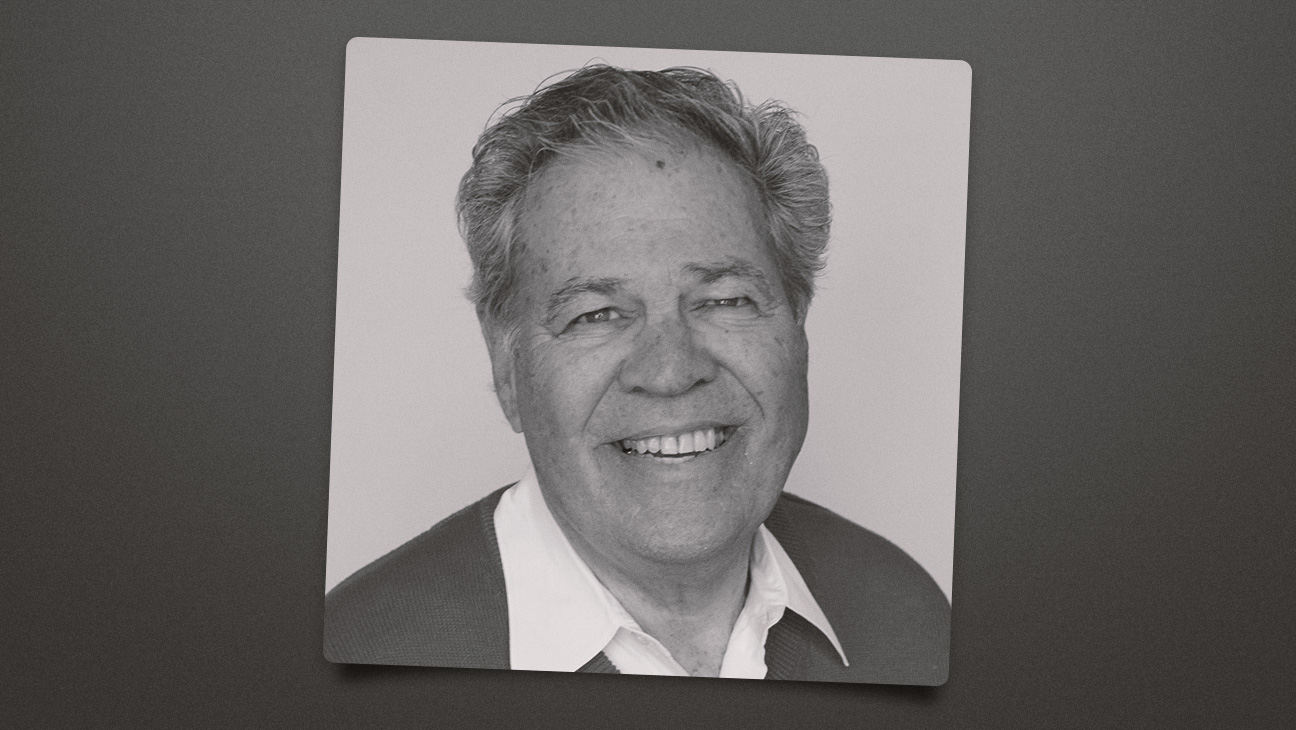
Courtesy of USC School of Cinematic Arts
David Weitzner, a distinguished marketing executive in Hollywood, known for orchestrating publicity campaigns for a multitude of celebrated films including They Shoot Horses Don’t They, Star Wars, E.T.: The Extraterrestrial, and This Is Spinal Tap, has passed away at the age of 86.
Weitzner died on September 1 at his residence in Calabasas, as announced by the USC School of Cinematic Arts, where he dedicated decades to teaching a course on the Business of Entertainment as an adjunct professor.
Originally hailing from New York City, Weitzner embarked on his entertainment journey at Grey Advertising in Manhattan. There, he rapidly ascended to vice president and general manager of its entertainment division, managing accounts for Warner Bros. and ABC Pictures.
He later transitioned to head worldwide marketing at ABC and Edgar Scherick’s Palomar Pictures International, steering campaigns for films such as They Shoot Horses Don’t They (1969), Sleuth (1972), The Heartbreak Kid (1972), and The Taking of Pelham One Two Three (1974).
In 1976, Weitzner relocated to Los Angeles and accepted the role of vice president of worldwide marketing at 20th Century Fox. During his tenure, he played a pivotal role in the campaigns for blockbuster films including Star Wars (1977), Alien (1979), and Breaking Away (1979).
In 1979, he was appointed president of worldwide marketing for Universal Pictures, where he oversaw publicity for influential films such as The Blues Brothers (1980), Coal Miner’s Daughter (1980), E.T.: The Extraterrestrial (1982), and Fast Times at Ridgemont High (1982).
Later, while leading marketing efforts at Embassy Pictures, Weitzner guided the promotional strategies for Eddie and the Cruisers (1983) and This Is Spinal Tap (1984). He also launched Ingmar Bergman’s Fanny and Alexander (1982), which secured the Golden Globe for Best Foreign Film in the United States.
Following the sale of Embassy, he returned briefly to Fox, where he managed marketing for Romancing the Stone (1984) and Cocoon (1985). Subsequently, he became head of worldwide marketing at the Weintraub Entertainment Group, which acquired Luc Besson’s The Big Blue (1988).
Returning to Universal, Weitzner served as president of worldwide marketing for the MCA/Universal Studios Recreation Services Group until 1998. During this period, he was responsible for marketing operations for the Hollywood and Orlando theme parks, Universal CityWalk, and the Universal Studios Cinemas, which became the highest-grossing motion picture complex in the U.S.
Post-University, he continued teaching, directed the summer program and, in 2016, was appointed chairholder of the Mark Burnett Endowed Chair for the summer production program.

In addition to academia, Weitzner consulted on marketing strategies for various corporate and entertainment clients, including Honda Motors, PepsiCo, Philips Electronics North America, the AFI, and the Children’s Television Workshop. His dedication to community causes included advocacy for the Landmark School for the Learning Disabled, earning recognition from Los Angeles Mayor Richard Riordan, and commendation from President Clinton for his contributions to the Red Cross.
A longtime member of the Academy of Motion Picture Arts and Sciences, Weitzner served as chairman of the MPAA’s Advertising/Publicity Committee from 1979 to 1981.
He is survived by his wife, Joan; children, Jonathan, Dana, and Jason; and grandchildren, Sam, Tyler, and Chloe.
Based on reporting by Hollywood Reporter. Read the full story at Hollywood Reporter.