
As major industry players like Netflix and Paramount vie for control over Warner Bros., the implications for films such as Ryan Coogler’s ‘Sinners’ extend far beyond the box office. These corporate dramas not only shape the industry landscape but also influence award-season dynamics, which can sway voters in significant ways.
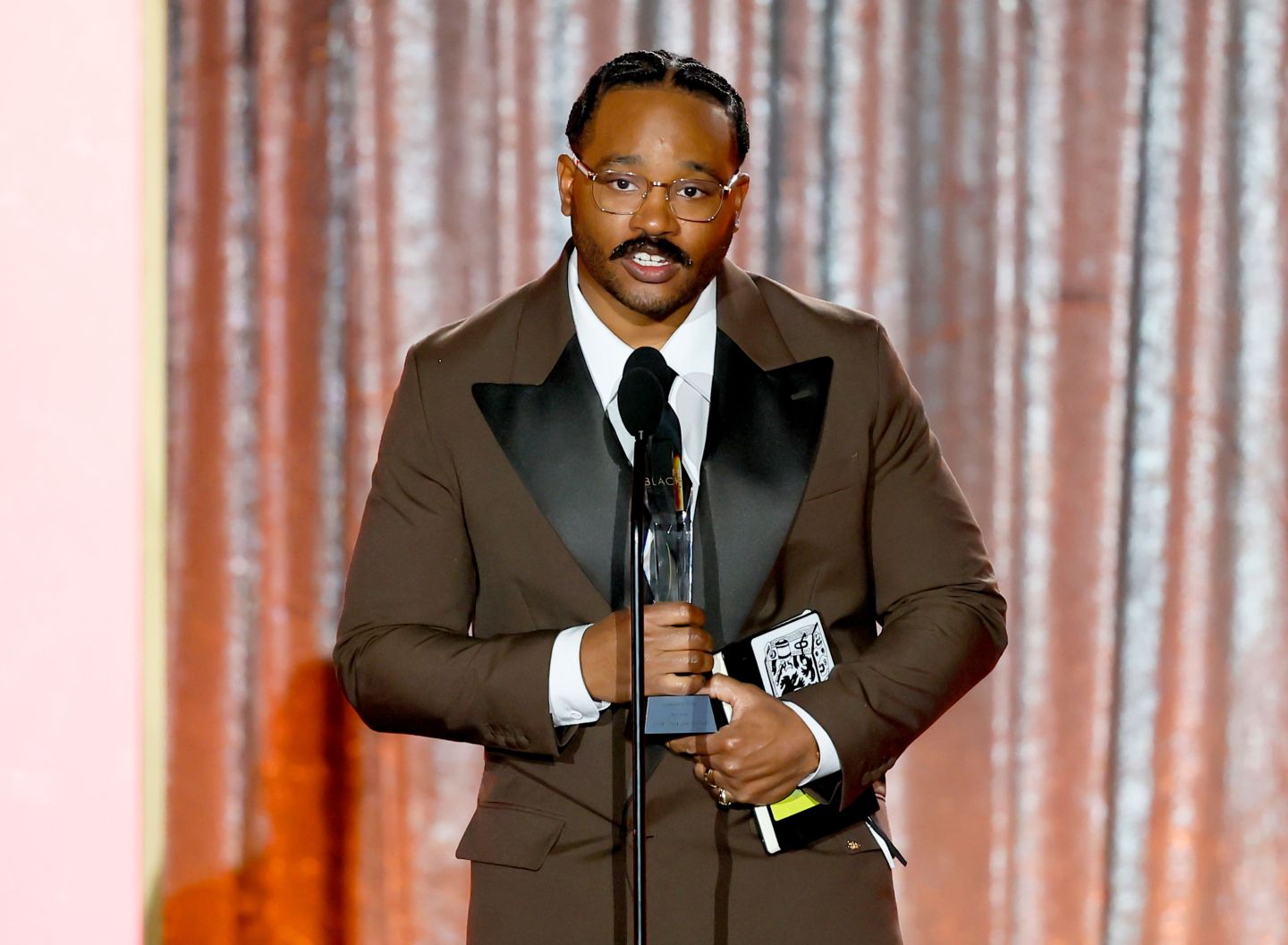
During The Critics Choice Association’s eighth annual celebration of Black Cinema & Television in December 2025, Ryan Coogler accepted the Director Award for ‘Sinners’. This recognition, coupled with his association with Warner Bros., positions both him and the studio’s other projects favorably as awards season unfolds. Past Oscars have displayed a trend where voters are influenced not just by cinematic merits but by underlying narratives—social justice themes (‘Moonlight’), moral reckonings (‘Spotlight’), and even personal connections (‘Argo’).
The ongoing tussle between Netflix and Paramount has brought a new layer to this year’s awards conversation. Recently, Warner Bros. Discovery turned down a $30 per share offer from Paramount, likely prompting a higher bid as David Ellison’s company attempts to wrestle control from Netflix, valued at over $108 billion. Amid this uncertainty, movies produced by Warner Bros. gain an unusual edge as they symbolically reflect the industry’s struggles against corporate consolidation.
High-profile contenders, including Paul Thomas Anderson’s ‘One Battle After Another,’ which leads many Oscar predictions, benefit from this backdrop. Anderson’s film has already garnered nominations across major categories at the Golden Globes. Similarly, Coogler’s ‘Sinners’ mirrors significant themes relevant to today’s societal discourse, catching the eyes of industry figures and voters alike.
As the atmosphere tightens around Hollywood, many are reflecting on the fate of Warner Bros., pondering whether the legendary studio will withstand this heavyweight corporate merger. Voters, armed with the knowledge of the potential consequences of a Netflix acquisition—one known for sidelining theatrical releases—may view these films through a new lens, seeing them as beacons of traditional filmmaking.
It’s worth noting that Warner Bros. historically flourished during times of similar strife; back in 2004, it secured 13 Oscars, largely powered by ‘The Lord of the Rings: Return of the King’. This year’s ‘Sinners’ and Anderson’s latest could very well echo that legacy, suggesting that voters might favor studios perceived as resilient against tech giants.
As we approach the 2026 Oscars, the concept of a ‘sympathy vote’ tied to corporate narratives isn’t unprecedented. The buyout of Fox by Disney in 2019 illustrated this well, with Guillermo del Toro’s ‘The Shape of Water’ winning against the odds, powered largely by a perception of vulnerability at Fox. Today’s scenario could similarly steer Oscars toward films linked to Warner Bros., especially for directors like Coogler, who has been recognized widely but lacks an Oscar thus far.
As the academic alignment between box office success and critical acclaim strengthens, the implications for Netflix are significant. If the company fails to secure major awards status, it casts further doubt on its ability to shift public perception, even as it absorbs its former competitor.
Should this ‘war of the studios’ result in a wave of sympathy votes for films like ‘Sinners’ and ‘One Battle After Another’, it may empower an industry still grappling with how to honor creativity amidst corporate consolidation. Therefore, as the awards landscape shifts, collectors and industry enthusiasts should watch closely—the ramifications of these narratives will ripple far beyond the Oscars.
Based on reporting by Hollywood Reporter. Read the full story at https://www.hollywoodreporter.com/movies/movie-features/netflix-paramount-oscar-chances-warner-bros-1236453382/.