
The Marvel Cinematic Universe (MCU) has redefined how fans engage with their favorite characters, often diverging from canonical counterparts to create a more compelling narrative and distinct cinematic experience. This shift is particularly significant for collectors and retailers, helping to bridge the gap between traditional comic lore and contemporary storytelling.
When it comes to superhero media, fans generally regard good adaptations highly. However, there are instances where the original content is just as beloved. The Marvel Cinematic Universe helped Marvel become a mainstream phenomenon, in large part by adapting the comics for film and TV. However, this franchise has also taken some poetic license, changing core storylines and characters from the books. Surprisingly, many of these changes have been widely welcomed by the fans.
From better backstories to complete redesigns of weapons, sidekicks, and even realities, the MCU has brought significant changes to the Marvel canon. Some of these changes were risky, but fans loved them and are now even a part of the comics. Fans absolutely loved these ideas that Marvel Studios added to the franchise’s history.
Characters aren’t the only ones who are at risk of getting a complete makeover in the MCU, pets, too. One of the most significant changes in this regard is Redwing, the Falcon’s loyal companion. In the comics, Redwing is a real falcon that Sam Wilson bought in Rio de Janeiro. The two developed a telepathic link after the Red Skull hit them both with Cosmic Cube energy. After this, Redwing became central to Sam’s combat strategy.
In the MCU, Redwing is not an animal. Instead, it’s a drone created by Stark Industries that Tony gifted Wilson after he joined the Avengers. This is a huge change, but fans welcomed it because it gives Sam an edge. Since this is a voice-activated drone, he can control it from wherever he is, not putting an animal at risk. The change works great with Sam’s backstory as a former United States Air Force pararescue airman.
Not all Moon Knight fans liked this, but many viewers of the show loved the idea of Moon Knight’s personalities being different men in the Duat, the Egyptian afterlife. Not only did it allow Oscar Isaac to show his incredible acting skills as Marc and Steven, but it also set the two personalities apart for good – even giving Steven his own Moon Knight persona, Mr. Knight.
The idea of two souls sharing a body contradicted Moon Knight’s dissociative identity. He is supposed to be a man shaped by trauma, so by giving Steven Grant his own soul, he became a “real” person. While this feels a bit out of the blue, fans really liked Steven, so making him his own character made everyone fall in love with him harder.
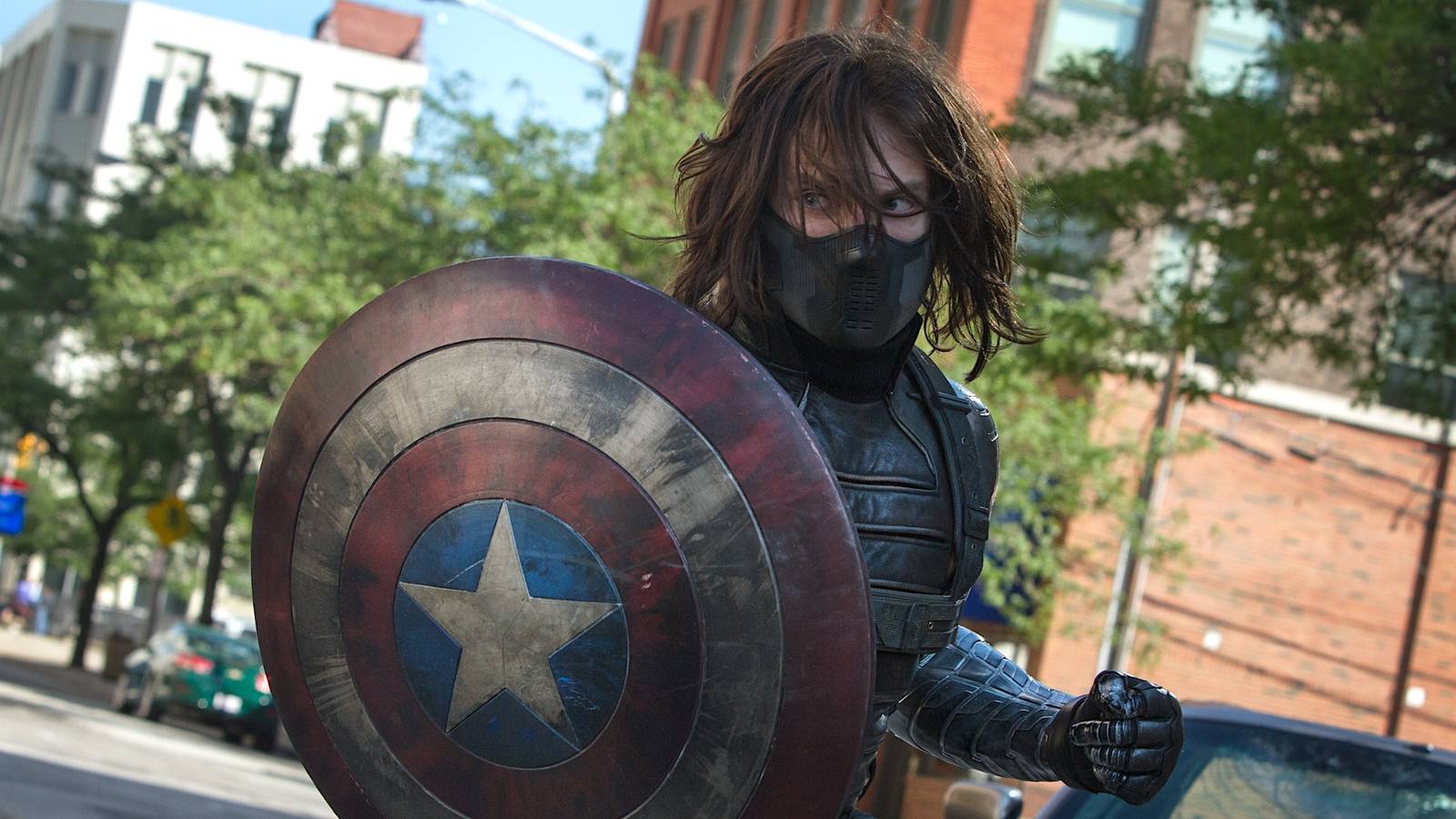
In the comics, Bucky Barnes first debuted as Captain America’s young sidekick, who resurfaced later as the Winter Soldier. The MCU scrapped the whole teenage sidekick thing and made them childhood friends, both interested in having military careers. Marvel Studios went as far as making Bucky one of Steve’s biggest defenders before he disappeared in combat. While the Winter Soldier twist remains, Bucky never fought underneath Captain America.
Fans loved this change because it leveled the score in their relationship. Thanks to this modification, Bucky and Steve aren’t senior and junior anymore. Instead, they’re peers in the battlefield and the best of friends outside of it. They have one of the best relationships in the MCU, and it’s in great part because Bucky was never Steve’s sidekick.
It’s been a while since this happened, but Thor used to have a secret identity just like Spider-Man or Batman. When the God of Thunder first made it to Earth, he was Donald Blake, a cane-using doctor who had no idea who he was. Eventually, he learned about his own identity, erased by Odin as punishment, and he embraced his power. For a while, Thor kept the Donald Blake façade. He eventually gave it up, Donald became an actual person, and a lot happened after.
Of course, none of this made it to the MCU. Thor was banished to Earth without a secret identity, and Donald Blake ended up as an Easter Egg for a former boyfriend of Jane Foster. Fans liked this. Blake hasn’t been around for decades at this point, and adding a whole storyline on Thor’s secret identity would have taken too much space in the movie. Instead, the God of Thunder got to experience Midgard from scratch and without understanding much of it, which allowed for great jokes.
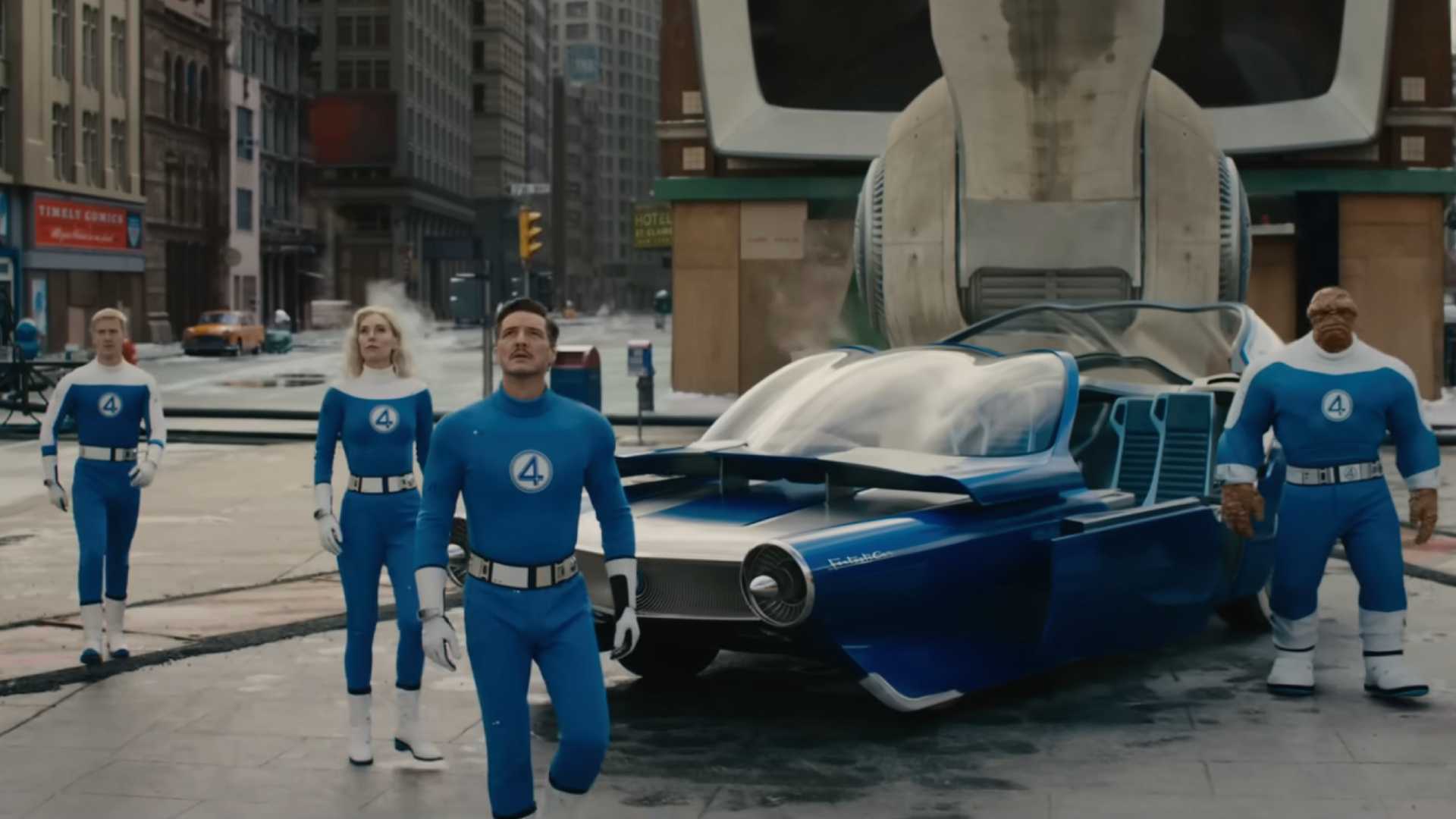
After almost two decades, Marvel’s First Family finally debuted in the MCU, but they weren’t part of the main continuity. Instead, they come from Earth-828, a retrofuturistic universe where they are the only superheroes. This was a huge change. Fans are used to seeing the Fantastic Four on Earth-616 alongside the other superteams. However, their debut was incredible, and the movie proved time and time again that this change was far from a bad idea.
By introducing the Fantastic Four through this sci-fi pulp 1960s alternate reality, the MCU ensured to preserve the Silver Age charm that defines this superteam and differentiates them from the Avengers. Fans are eager to see these heroes interact with characters from Earth-616 on Avengers: Doomsday, sure. Still, their debut was amazing, even if it wasn’t embedded in the MCU’s main continuity.
Captain Marvel is one of the MCU characters with the biggest backstory changes ever. In the comics, Carol Danvers debuted as Ms. Marvel, and it took a while before she embraced the Captain Marvel moniker following the death of Mar-Vell, the first Captain Marvel. The MCU straight-up jumped into Carol’s time as Captain Marvel and gave her a complicated relationship with Wendy Lawson, the MCU Mar-Vell.
Some fans didn’t love the genderbent Mar-Vell and the lack of Ms. Marvel. However, this is the only way things could happen in the movies. By removing Carol’s past as Ms. Marvel, Marvel Studios avoided any confusion with the current Ms. Marvel. It also gave her authority as one of the first Avengers ever, rather than drawing out an identity crisis plotline. This is how she was established as a legacy character.
Shang-Chi and the Legend of the 10 Rings introduced these powerful items that granted Wenwu all his abilities. However, the 10 rings, which also gave the Mandarin powers in the comics, were not finger jewels as in the comics. Instead, they’re alien technology rings that go on Wenwu and Shang-Chi’s arms, allowing them to channel powerful mystical energy.
Fans were a bit worried that the redesign would diminish the ring’s mojo, but it was actually genius. Making them arm rings gave these weapons a new life. It made them more visually dynamic for the cinematics of the movie, and it added great opportunities for great fight choreography, too. Wenwu and Shang-Chi wield the rings, throw them away, summon them back, and catch them all in swift movements inspired by martial arts. It’s an epic picture for sure.
Fans weren’t happy with the characterization of certain MCU heroes, like Thor becoming a funny guy. However, there’s one example that most of the fandom loved: Hawkeye. While the comics version of the character is kind of a mess both as a hero and in his personal life, the MCU’s Clint Barton is a family man, a great father figure for his peers, and a levelheaded fighter.
This change humanized Hawkeye and referenced the original Ultimate Universe version of the character, though his family was brutally murdered. With a family waiting for him at home, he won’t allow himself to be reckless, and he feels a deep responsibility as a hero. He needs to save the world for his kids and his wife. This makes way for his very emotional arc and his breakdown following the Snap. The MCU turned Hawkeye into a heartfelt hero, which is why he became so popular when he was relatively obscure for non-comic readers before his cinematic debut.
In 2022, Marvel Studios introduced Namor during Black Panther: Wakanda Forever, and it went in a very different direction for this character. The Sub-Mariner is still King of the Oceans, and he leads a humanoid race underwater while deeply resenting the surface. However, this version of Namor isn’t Atlantean, but Talokanil, and he’s heavily inspired by prehispanic cultures, specifically the Mayan.
The MCU Namor rules Talokan, home of the Talokanil. They were once human, but they consumed a vibranium-infused plant to save themselves from the smallpox brought by the Spanish colonizers. Namor, the only Talokanil who can breathe air, witnessed the horror of the Spanish conquest, which drove him to hide his land from surface dwellers. All these changes have made the MCU Namor a unique character. His backstory suddenly grew incredibly rich, and there’s still a lot to explore about the character, which fans love.
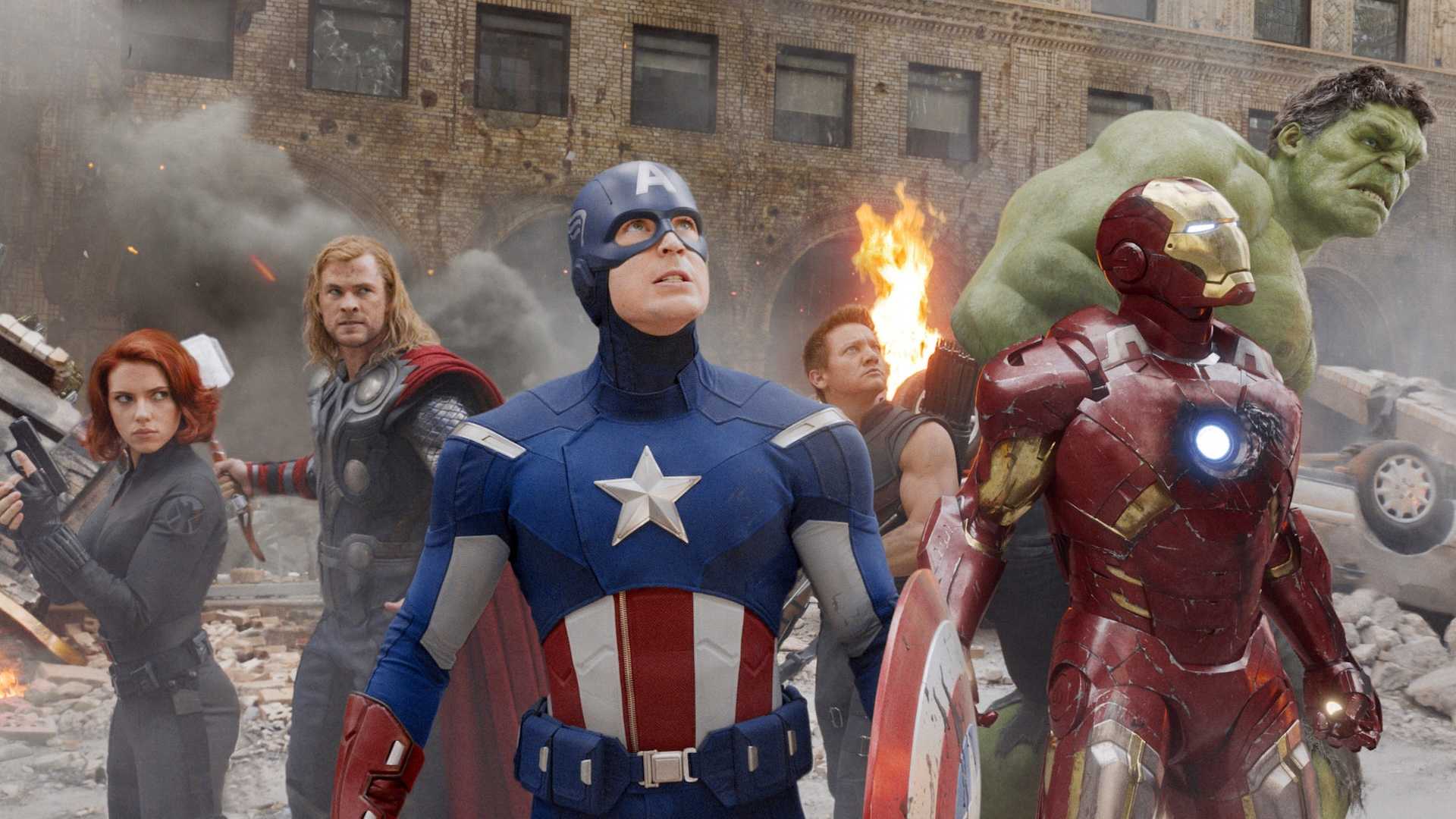
One of the biggest changes in Marvel history in the MCU was the founding of the Avengers. Not only was the team recruited by Nick Fury (as opposed to a call of fate in the comics), but the roster isn’t identical to the one in the paper. In the comics, the original Avengers are Iron Man, Thor, Hulk, Ant-Man, and the Wasp, with Captain America joining later. In the MCU, it’s Iron Man, Captain America, Thor, Hulk, Hawkeye, and Black Widow. These two heroes were part of S.H.I.E.L.D. when Fury created the team, so they became founding members.
Fans love Ant-Man and the Wasp, so this change caught everyone by surprise. However, it didn’t take long before it felt natural. Jeremy Renner and Scarlett Johansson did a terrific job as Clint and Natasha, and Marvel Studios gave them solid stories to back them up. Besides, their addition to the team brought the Avengers Initiative closer to S.H.I.E.L.D., the government, and the idea of them as a Black Ops operation that eventually went public. All these combined to make the MCU Avengers instantly iconic among modern audiences.