
Robert Viglasky/Netflix © 2025
Following the monumental success of Oppenheimer, Cillian Murphy has adeptly leveraged his Oscar-winning status to pursue projects that resonate with him personally. In the two years since his acclaimed performance as the “father of the atomic bomb,” Murphy has shifted his focus to two intimate dramas: Small Things Like These, which debuted at last year’s Berlin International Film Festival, and Steve, slated for its world premiere at the Toronto International Film Festival.
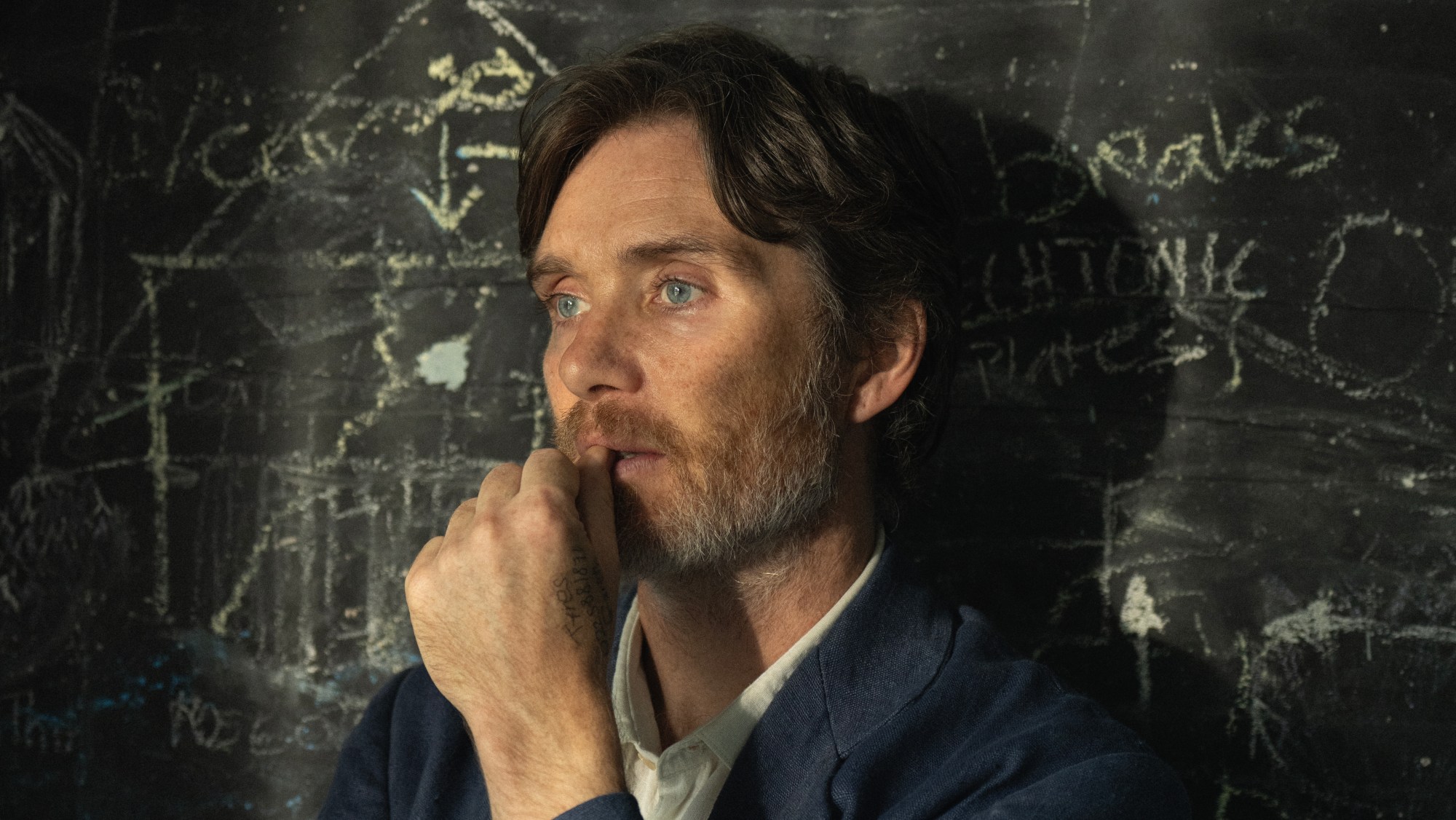
Both films stand in stark contrast to the grandiosity of Oppenheimer. Small Things Like These, based on Clare Keegan’s novel, features Murphy as a coal merchant in a struggling Irish village who finds the moral courage to aid a woman in distress. In Steve, adapted from Max Porter’s novella Shy, he portrays an overworked teacher at a reform school for at-risk teens grappling with what could be the worst day of his life.
These two new narratives showcase Murphy’s capacity for raw, character-driven performances, moving away from the bombastic storytelling of major blockbusters. In the film Steve, Porter has recontextualized the original story, told from the troubled teenager Shy’s perspective, to focus more on Steve, a teacher striving to prevent his student from spiraling out of control.
Robert Viglasky/Netflix © 2025
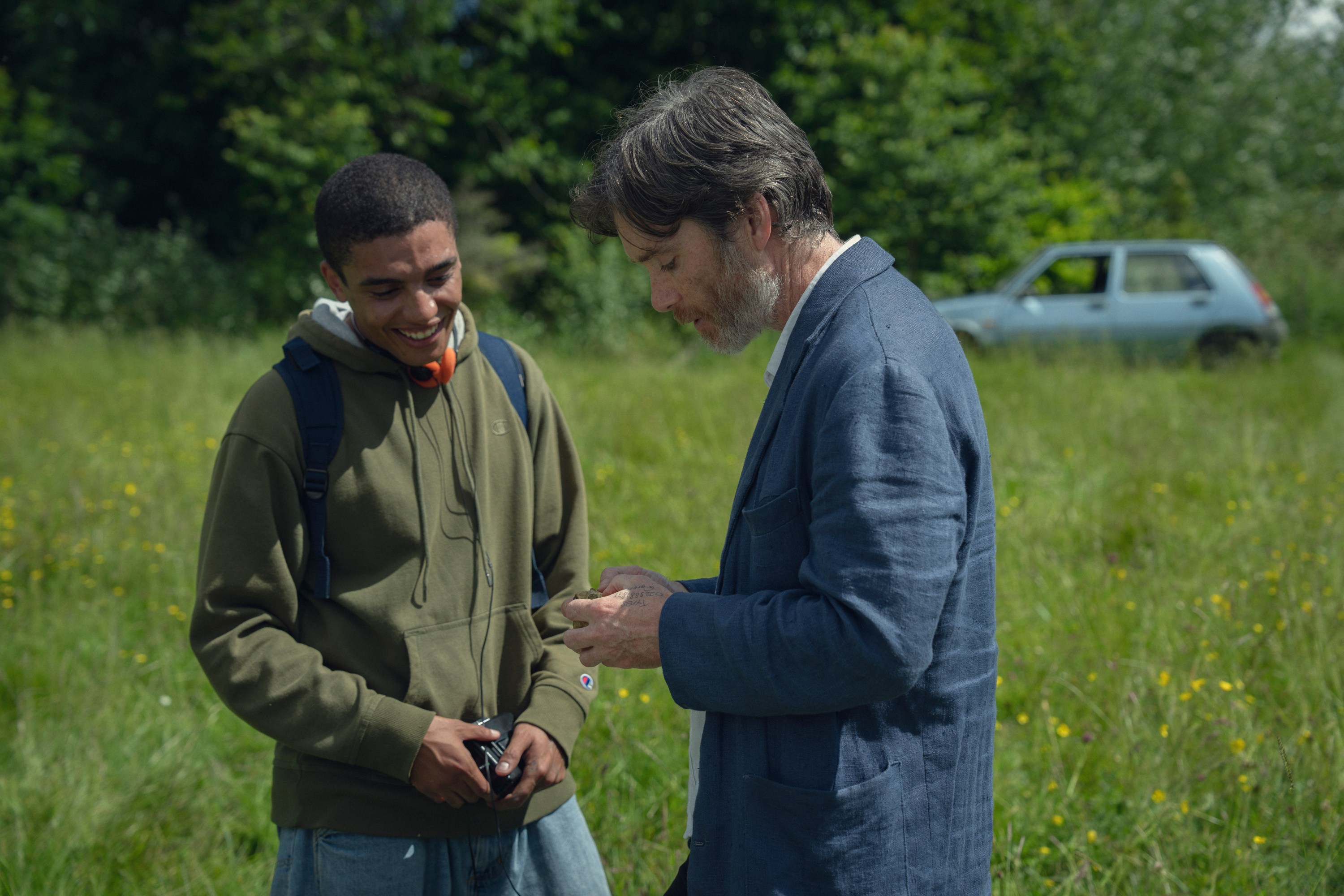
Murphy’s strong personal connection to the role, stemming from a family of educators, has deepened his portrayal. “Imagine the toll it takes, running this experimental reform school with very challenging pupils,” Murphy reflects. The character resonates with him as it amplifies his mannerisms and lacks the pretense often attached to performance.
After receiving the script, Murphy swiftly forwarded it to Netflix, receiving quick approval for the project. According to Murphy, “We gave [Netflix VP of U.K. Content] Anne Mensah the script on a Friday, and we had a yes on Monday.” This fast-tracking allowed for a theatrical release, which Murphy notes is crucial for the film’s visibility in a crowded marketplace.
With Steve, Murphy is grateful to be part of a creative wave emphasizing socially relevant narratives. The film’s director, Tim Mielants, aims to push boundaries while maintaining entertainment value. Murphy believes that audiences are ready for these bold storytelling choices, and together they have crafted a film that resonates deeply with contemporary issues.
Filming took place at an actual reform school, using a predominantly improvised and raw approach to capture genuine performances. This immersive strategy created an authentic atmosphere, enhancing the emotional stakes of Murphy’s character, Steve.
As he transitions from the high-stakes world of Oppenheimer, Murphy acknowledges a gradual re-evaluation of his approach to acting. “This year I won’t have done any acting whatsoever. I’m more willing to be patient and wait for the right thing,” he remarked, hinting at a desire for deeper collaborations in future projects.
Ultimately, Cillian Murphy’s move toward personal narratives through projects like Steve reflects a growing trend in cinema—where storytelling is not just entertainment but a means of exploring the human condition. This shift presents a refreshing counterpoint to the blockbuster landscape, making his forthcoming work essential viewing for audiences seeking authentic cinema.
Based on reporting by Hollywood Reporter. Read the full story at Hollywood Reporter.