
Wonder Woman, a character who has captivated audiences since her inception in 1941, continues to face challenges in her portrayal within modern comics. Understanding these struggles offers valuable insights for both collectors and industry followers.
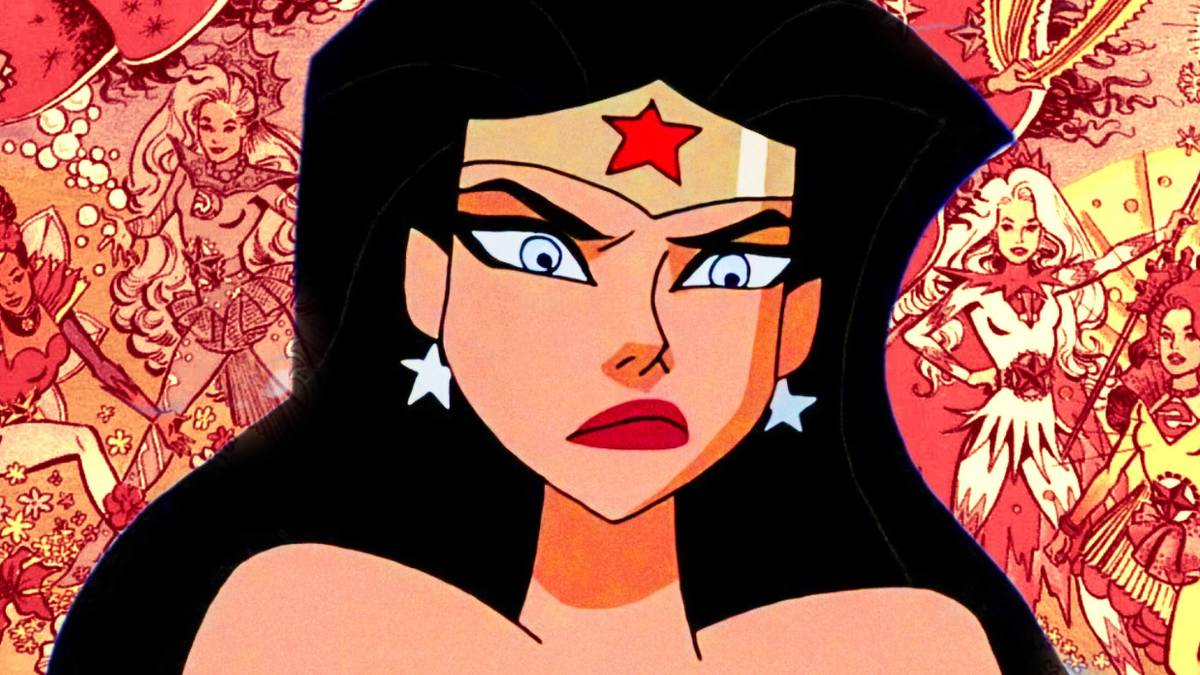
Since her debut, created by William Moulton Marston, Wonder Woman has blossomed into an emblem of female empowerment, ancient mythology, and femininity, standing as one of the most prominent legacies in the superhero genre. As the Amazonian warrior Diana Prince—the daughter of Zeus and Hippolyta—she remains a pillar of superhero lore, but recent storytelling efforts have often missed the mark in aligning her narratives with her rich origins.
While Wonder Woman commands instant recognition amongst female superheroes, recent arcs within her stories have overlooked her foundational ties to Greek mythology, often favoring contemporary settings that dilute her distinct identity. Though modern-day America serves as an essential backdrop for exploration, it often fails to highlight what makes her unique amidst a sea of superhuman figures.
Notably, some of the most compelling narratives surrounding Wonder Woman have emerged outside her primary series, particularly during her leadership role in Justice League Dark. Written by James Tynion IV and Ram V, this series demonstrated a successful integration of dark fantasy and heroic leadership, setting her against a roster of formidable adversaries, like Hecate and Circe. Such stories remind fans and collectors of the depth that Wonder Woman’s character can achieve when her mythology serves as a canvas for her adventures.
The essence of Diana’s character should revolve around her perspective as a warrior from antiquity, observing and contending with the complexities of the modern world through a mythological lens. Too often, her adventures reflect a storytelling formula reminiscent of Superman’s arcs, lacking the fantasy elements that have defined her character and history. For aficionados who cherish the era of George Perez’s work, a resurgence of historical and mythological storytelling could bring a profound revival to her legacy.
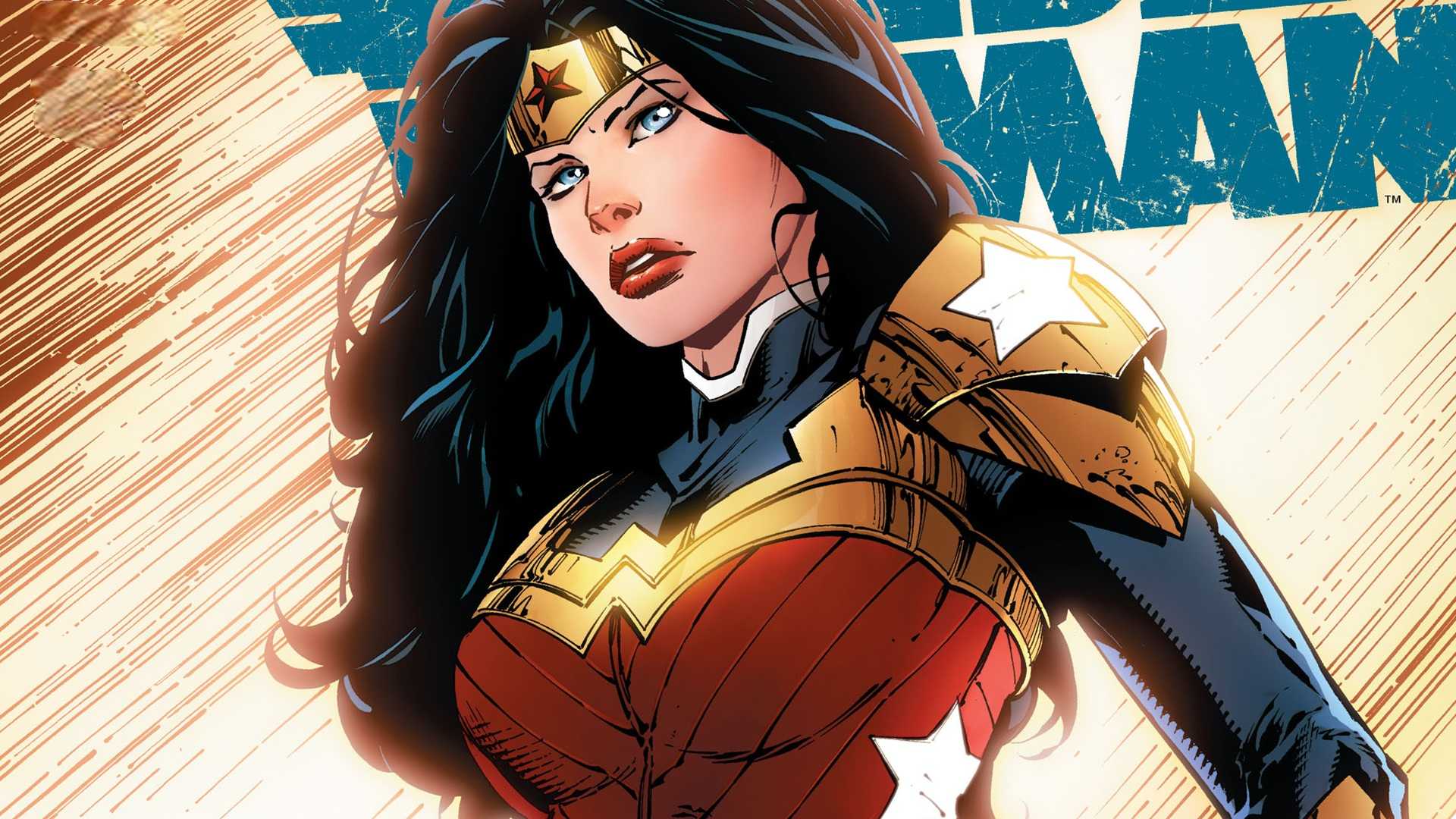
Fundamentally, Wonder Woman was crafted to embody a feminine vision of strength and heroism—balancing courage with compassion in ways that Superman and Batman do not. This nuanced portrayal remains elusive for many writers, who often default to male-centric storytelling structures. To enhance her success, it may be worth considering a focus on solo endeavors over team dynamics, which could allow for deeper character development and narrative exploration.
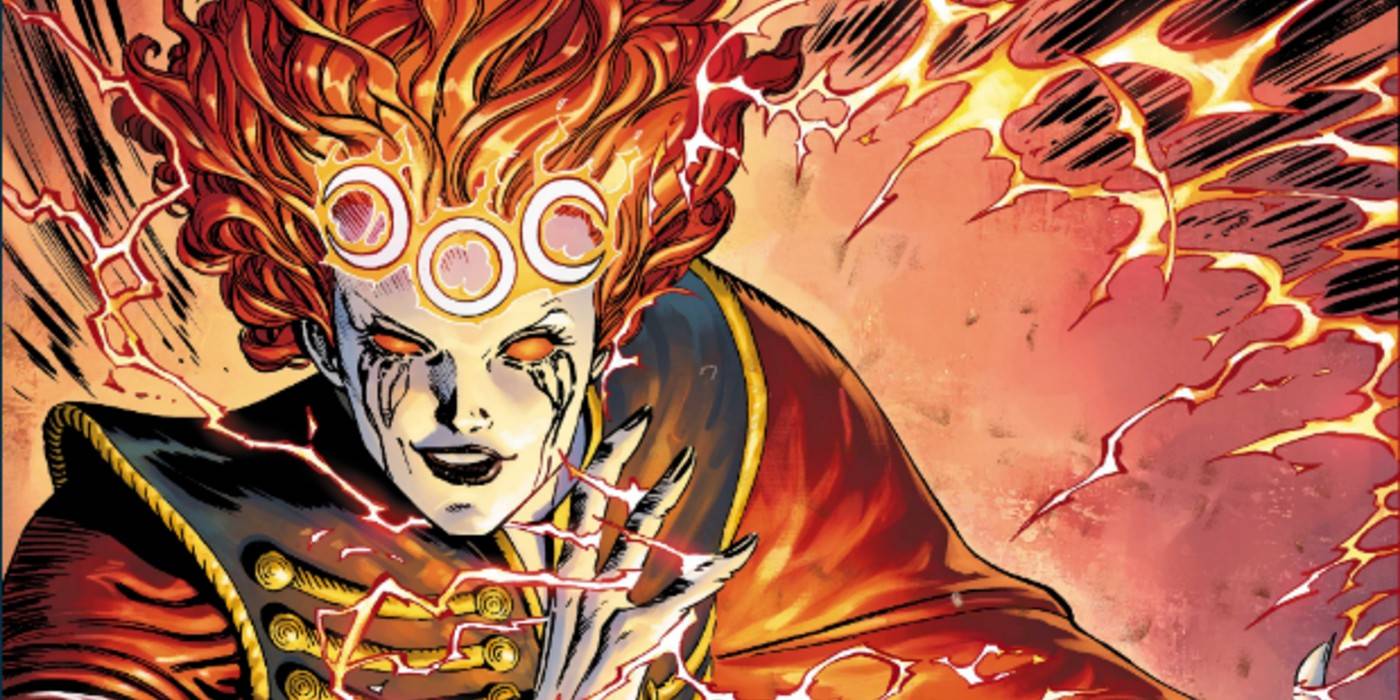
The current limitations of Wonder Woman’s rogues’ gallery are also notable, as she often faces a narrow selection of adversaries like Cheetah and Circe, limiting the potential for fresh narratives. In contrast, Batman’s recent story arcs have introduced innovative villains, thereby expanding his universe. The need for a revitalized and engaging lineup of foes for Diana is evident, as readers crave reasons to invest in storylines that carry significance.
Furthermore, the lack of an all-star story dedicated to Wonder Woman reinforces the notion that her character is often sidelined compared to her male counterparts, who have benefited from high-profile narratives that solidify their status. The absence of an All-Star Wonder Woman series signifies a missed opportunity for deeper reader engagement and a lack of commitment from DC Comics towards her character’s potential. This gap represents a disconnect between Wonder Woman’s historical significance and her contemporary portrayals.
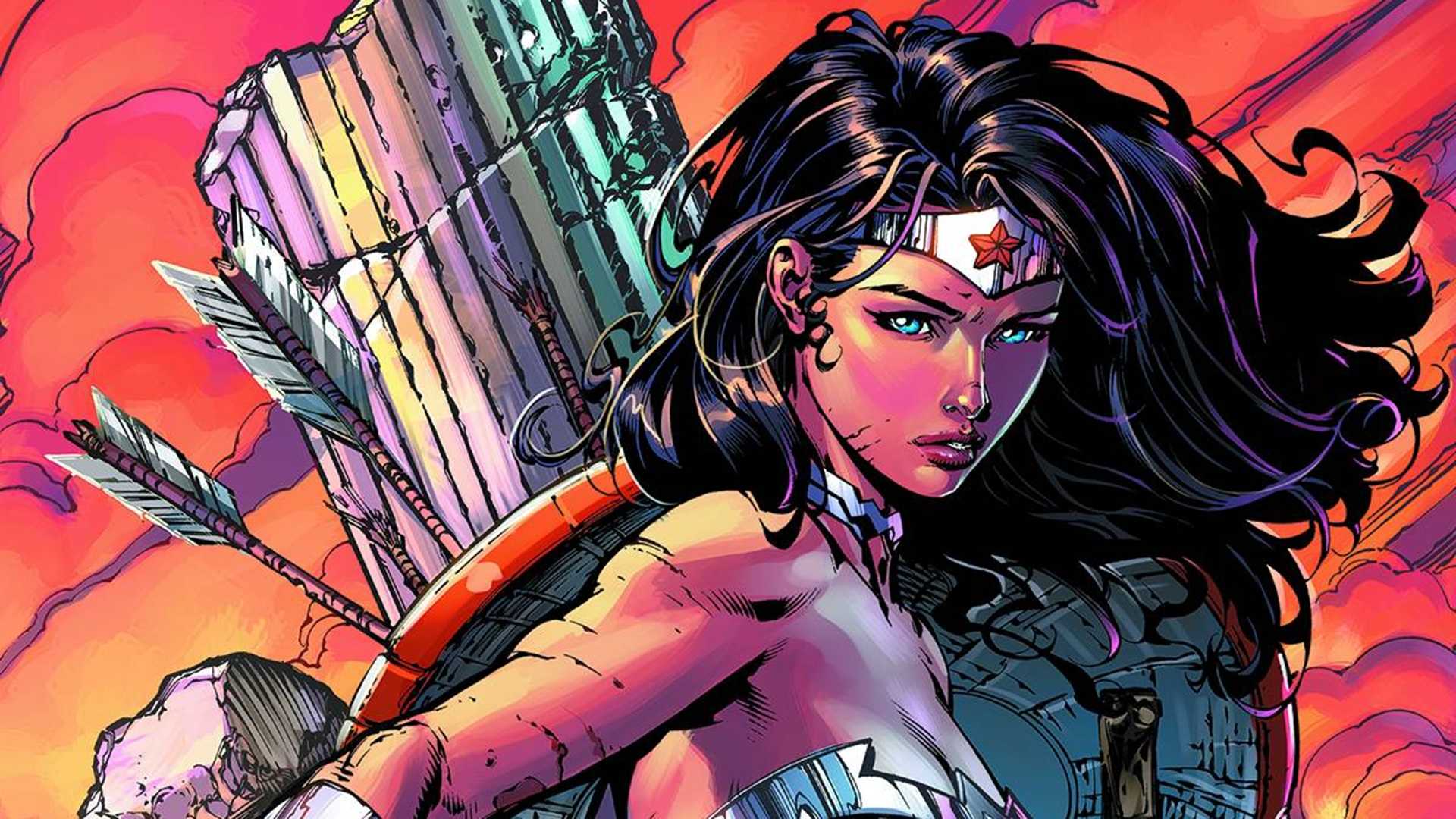
The 2017 film adaptation provided a refreshing reminder of what makes Wonder Woman resonate with audiences, showcasing her nobility, compassion, and warrior spirit. Such elements brought to light the fantasy aspects that truly define her character and inspire those around her. This facet re-emerged in the Justice League Dark arc, further emphasizing the importance of myth and fantasy in her storytelling.
In conclusion, although it would be simplistic to attribute Wonder Woman’s ongoing challenges to a sole issue, a combination of inconsequential storytelling choices, market positioning, and missed opportunities has hindered her potential. The intersection of these factors highlights a need for deeper narrative commitment from DC, signaling to collectors and fans that, for Wonder Woman to flourish, a stronger connection to her roots and identity is essential. For passionate collectors, the push for compelling narratives and an expanded roster of characters will not only enrich her stories but also encourage renewed investment in Wonder Woman’s legacy.
Based on reporting by Ashley Land. Read the full story at https://www.cbr.com/why-wonder-woman-struggles-in-dc-comics/.