
As Marvel Comics prepares to conclude its critically acclaimed Ultimate Universe, collectors and fans of the franchise are left to reflect on the series’ most impactful narratives, many of which are well worth revisiting. The closure of titles like Ultimate Spider-Man serves as a poignant reminder of the stories that have shaped the Marvel landscape and offers an opportunity to appreciate the tales that continue to resonate with audiences.
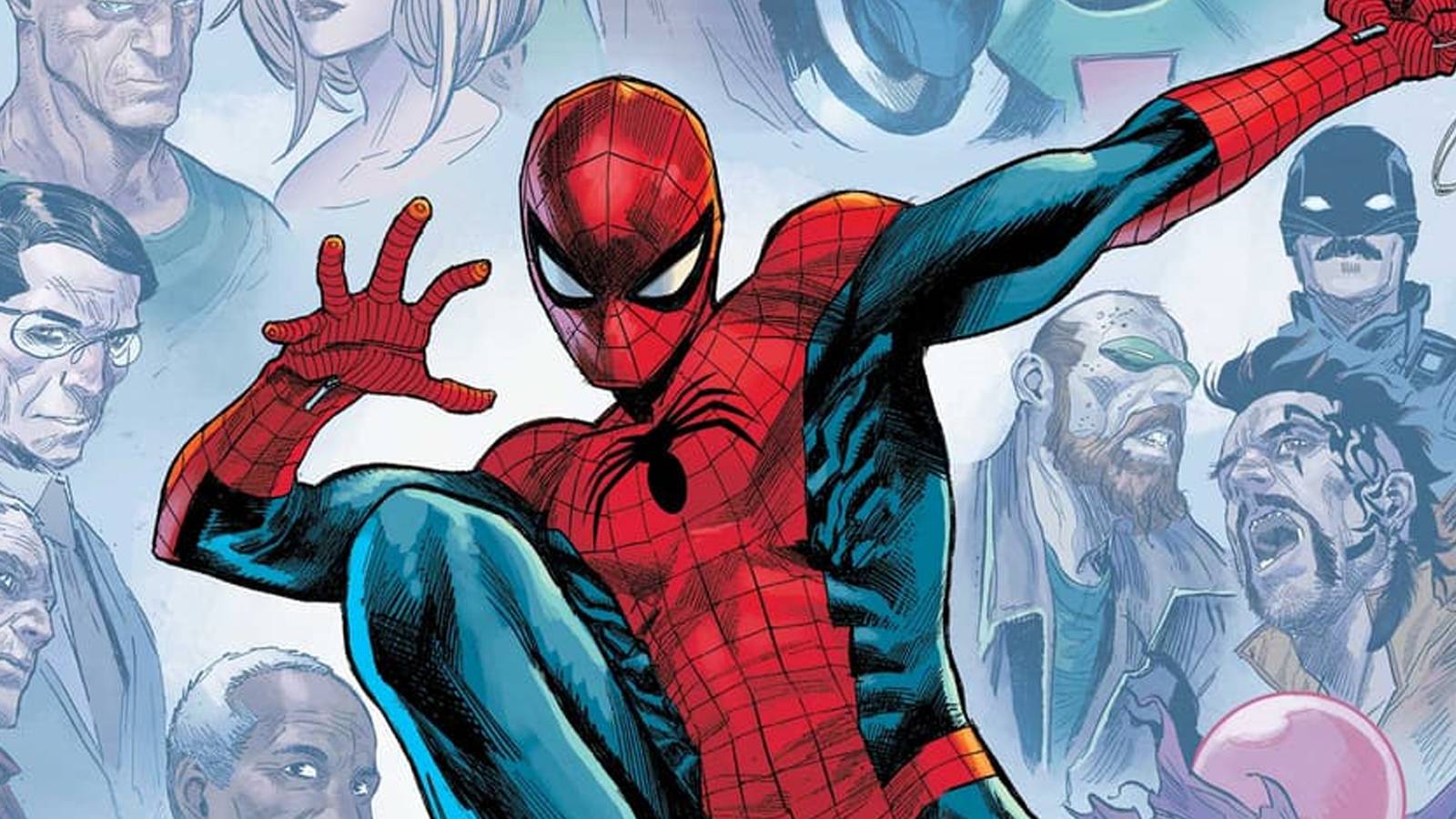
Marvel Comics’ new Ultimate Universe has been one of the most successful and exciting alternate universes in the company’s history. However, despite the popularity and acclaim associated with books like The Ultimates, Ultimate X-Men, and, of course, Ultimate Spider-Man, Marvel is soon shutting down the Ultimate Universe for good.
With that in mind, it seems that Jonathan Hickman’s Ultimate Spider-Man will be concluding with issue #24, and that means that fans will have to return to issues that they’ve previously read to engage with the material any longer. Thankfully, though, Ultimate Spider-Man is chock-full of incredible moments practically begging to be read over and over again.
Although the superheroics and spine-tingling action of Ultimate Spider-Man is what most fans came into the book looking for, perhaps the most surprising (and most engaging) facet of the series is the subplot surrounding Ben Parker and J. Jonah Jameson. The duo, who, unlike in the mainline universe, are best friends and partners in a journalistic business known as “The Paper,” work together to uncover the crime and conspiracy controlling the world.
What Ben and Jonah discover, and how they attempt to wake the world around them up to the horrors of their existence (despite the potential dangers to themselves) are endlessly heroic, and the true core of what writer Jonathan Hickman is attempting with Ultimate Spider-Man. Chances are that, when the series is over and done with, this facet will be the thing that is most remembered.
The Ultimate Universe is one of underdog heroes, desperate fights for goodness in the face of overwhelming odds, and familiar themes all reimagined. It’s a world of contrasts filled with complexity and apprehension, yet one element that remains unchanged between the Ultimate and main Marvel Universes is Peter Parker and his iconic red-and-blue super suit.
After acquiring a Pico-Tech suit from Tony Stark that can mimic any design or look that the wearer can conjure up mentally, Peter Parker struggles to decide just how he wants to present himself while fighting crime in New York City. Eventually, with the help of his young daughter, May, he settles on the iconic Spider-Man costume that fans know and love, and in doing so, establishes a glimmer of hope amid the Ultimate Universe’s pervasive darkness.
In the Ultimate Universe, one of the most unique and exciting changes to a mainline Spider-Man villain is in Mysterio, who, instead of being a lone individual employing special effects to commit petty crimes, is actually a genuine magical entity comprised of a council of numerous individuals who take turns under the iconic bowl-like helmet.
When one of the Kingpin’s Sinister Six, Mister Negative, uncovers the identities of some Mysterios and perceives the council as a threat, he forces James Wesley, Wilson Fisk’s assistant, and one of the Mysterios, to bring a bomb vest into a council meeting, resulting in the seemingly catastrophic destruction of the entire group. This shocking moment of brutal violence establishes one of the most thrilling mysteries of the series.
One of the best aspects of the brand-new Ultimate Universe is the inherent unpredictability—anything can occur. With a definitive end looming, it seems that no character is beyond peril, a sentiment aptly illustrated in the aftermath of Peter Parker’s escape from Kraven the Hunter.
After he and Harry Osborn are kidnapped and tortured in the Savage Land by Kraven, Peter narrowly escapes, his identity revealed. Forcing him to relocate his family, they venture from New York City to a remote desert hideaway. This narrative shift represents one of the boldest storytelling choices Hickman has achieved with Ultimate Spider-Man.
In Ultimate Spider-Man #21, Martin Li, aka Mister Negative, takes center stage. A character who gained popularity following his significant role in the Marvel’s Spider-Man video game series, Mister Negative had previously played a secondary role in Ultimate Spider-Man, yet his origins are finally explored in issue #21.
The portrayal of a manipulative relationship with his sister, a troubled upbringing, and an unsettling recognition of his power add depth to Mister Negative’s backstory, marking it as one of the most thrilling side stories in Ultimate Spider-Man‘s run. This narrative depth gives a tangible sense of intimacy and weight to the larger unfolding drama.
In the Ultimate Universe, instead of acquiring the alien symbiote during a confrontation on Battleworld in Secret Wars, Peter’s experience with Venom is profoundly personal. The Pico-Tech suit initially meant for his battle against crime is later utilized by his son, Richard, leading to a seemingly positive development.
However, it becomes evident that the black suit, equipped with a sentient AI and a predilection for using the word “we,” is a version of Venom. When Richard Parker, donned in the Pico-Tech suit, is ambushed by the Kingpin and his henchmen, it seems dire, but the suit takes over and showcases its true capabilities—revealing a Venom character more aligned with the mainline universe. This moment is impactful and promises to resonate throughout the series.
As highlighted earlier, the Ultimate Universe’s distinction from the mainline universe implies that practically nobody is safe in any of the books, and this is demonstrated in the trajectory of Harry Osborn, aka the Green Goblin—an ally of Spider-Man. Following a brutal struggle through the Savage Land, Harry, lacking superpowers, appears to fall victim to Kraven the Hunter, shot in a shocking act of violence. Although this death would later prove to be a ruse, the moment itself remains one of the series’ most striking moments.
Similar to Mister Negative, Mysterio’s backstory diverges significantly from the mainline version of the villain, showcasing one of the standout qualities of the Ultimate Spider-Man series. Despite early hints pointing to Gwen Stacy, Harry Osborn’s wife, donning the Mysterio identity, the truth is confirmed in Ultimate Spider-Man #16.
This issue enriches the lore surrounding the Mysterio council, revealing the identity of the individual holding the mantle and stands out as one of the highest-quality installments, exemplifying the unpredictability of narratives in an alternate universe.
The series unfolds in real-time, meaning that each month passing in the real world equates to one month within the storyline. This dynamic greatly enhances the pacing and depth of the narrative.
Consequently, between issues #11 and #12, readers are stunned by the revelation that Spider-Man and the Green Goblin had been unmasked, captured, and held hostage by the nefarious Kraven the Hunter. This astonishing twist leads into some of the most thrilling narrative choices encountered throughout the series.
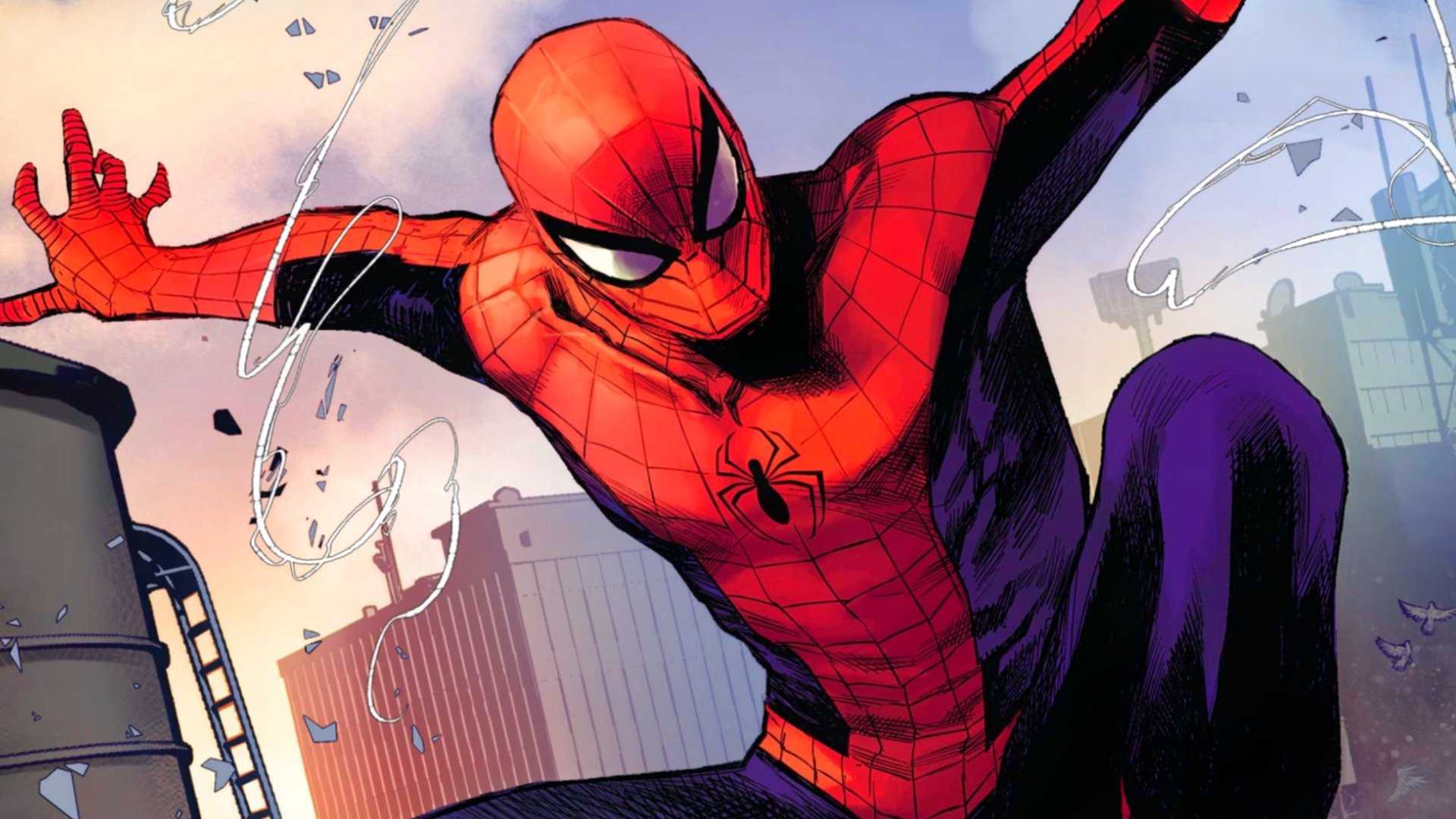
In the Ultimate Universe, the heroes of the Marvel landscape find their destinies manipulated by the malevolent Maker, an altered version of Reed Richards from the Fantastic Four. As Peter Parker matures into adulthood, he experiences a feeling of incompleteness stemming from missed opportunities in his youth.
When Iron Lad presents Peter the spider that could have made him a hero years prior, he faces a critical juncture: embrace his destiny and confront peril unknown, or retreat to a mundane existence marked by unfulfilled potential. In the final moments of Ultimate Spider-Man #1, Peter resolves his choice, sparking one of the most celebrated Spider-Man narratives of contemporary comic history.
Based on reporting by Maxwell Pishny. Read the full story at https://www.cbr.com/ultimate-spiderman-most-rereadable-moments-ranked/.